Clean water, process safety, and reliable production all depend on effective filtration. Filter Cartridges are small components, yet they can control pressure drop, particle removal, microbial risk, and operating costs. For global buyers, choosing the right cartridge is rarely a simple brand comparison.
The WHO and UNICEF Joint Monitoring Programme reported that 2.2 billion people lacked safely managed drinking water in 2022. That gap increases demand for dependable treatment equipment, especially in municipalities, food plants, laboratories, and remote facilities. Market research from Grand View Research also identifies water and wastewater treatment as major growth areas for filtration technologies. However, market forecasts vary by definition and region. Buyers should examine the original methodology, not trust a headline figure.
Performance must come first. A cartridge’s micron rating, media type, flow capacity, chemical compatibility, seal material, and replacement interval deserve careful review. A 5-micron nominal filter is not automatically equivalent to a 5-micron absolute filter. Small wording differences can create expensive failures. Very expensive failures.
This guide evaluates ten leading Filter Cartridges for international purchasing decisions. It considers documented test data, manufacturing consistency, certification evidence, availability, and total lifecycle cost. References to standards from organizations such as NSF, ASTM, ISO, and the U.S. Environmental Protection Agency provide useful verification points. Still, no cartridge is ideal for every application. Site water chemistry, temperature, pressure, and maintenance habits can change the result. That is where this review remains intentionally cautious. Specifications look precise, but real installations often reveal the missing details.
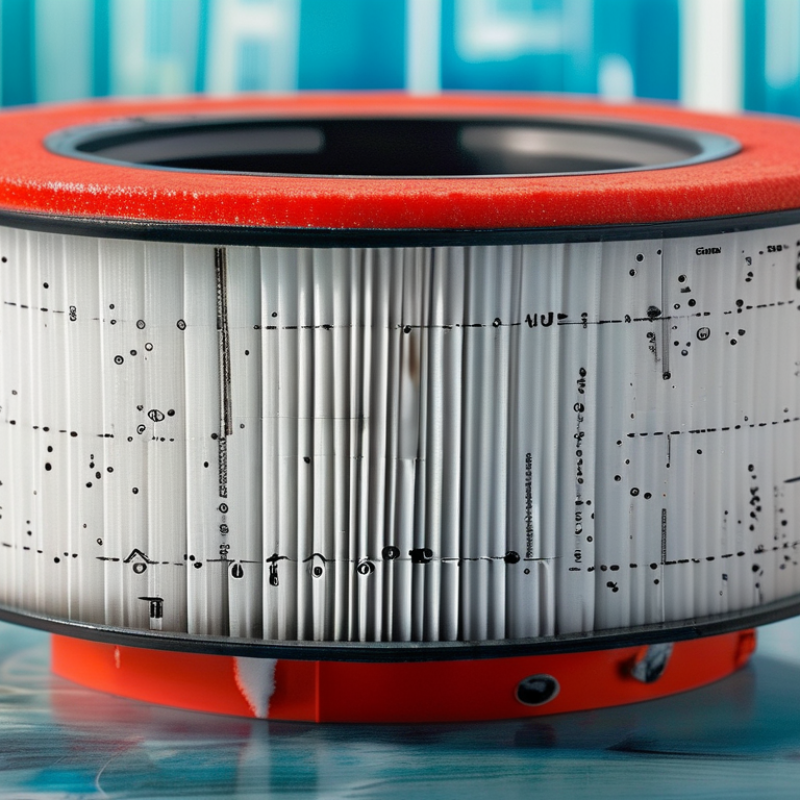
Filter cartridges are replaceable barriers fitted inside housings, tanks, or process equipment. They remove unwanted particles from water, air, fuel, chemicals, and other fluids. A cartridge usually contains porous media around a support core. Fluid passes through the media, while contaminants stay trapped or become absorbed.
Simple in principle. The actual performance depends on pore size, media material, pressure, temperature, and flow rate. Surface cartridges catch particles mainly on the outer layer. Depth cartridges capture contaminants throughout their thicker structure. Membrane cartridges provide finer separation, while activated media can reduce certain odors, colors, or dissolved substances.
A five-micron rating is not automatically better than a twenty-micron rating. It may clog faster when incoming fluid contains heavy sediment.
For global buyers comparing cartridge options, check compatibility before price. Confirm the housing dimensions, connection style, sealing material, and expected operating pressure. Also review whether the rating is nominal or absolute. Ask for test data, batch consistency, and applicable safety documentation.
Field maintenance often reveals the difference between a suitable cartridge and a troublesome one. A pressure gauge before and after the cartridge helps identify clogging early. Replacement intervals should follow pressure loss and fluid quality, not only a calendar.
Not always predictable. In real installations, seasonal water changes, unusual dust, or installation errors can alter results. I would treat performance claims carefully and test a small batch first.
Choosing a filter cartridge starts with the contaminant, not the product label. In field inspections, sediment cartridges often handle sand, rust, and visible particles in residential water systems. Melt-blown designs offer economical depth filtration, while pleated cartridges provide more surface area and longer service intervals. Neither choice works well when the water contains heavy oil or dissolved chemicals.
Activated carbon cartridges can reduce chlorine, odors, and some organic compounds. They are common in drinking water and food-processing applications. For bacteria and fine particles, membrane cartridges may provide tighter filtration. Microfiltration and ultrafiltration suit many process-water systems, while reverse osmosis requires suitable pressure and pretreatment. It is easy to overlook this detail. Poor pretreatment can shorten membrane life quickly.
Bag-style and high-flow cartridges support larger industrial systems with changing flow rates. Stainless-steel cartridges may suit hot liquids or repeated cleaning, but material compatibility must be verified. Oil-removal cartridges need careful selection because oil type, viscosity, and temperature affect performance. Check pore size, flow rate, pressure limits, sealing material, and tested reduction claims. Fit matters too. I have seen buyers select a cartridge by diameter alone, then face bypass leakage or frequent replacement. That mistake is avoidable, but specifications can still be incomplete. Ask for test methods, operating conditions, and documentation before approving a shipment.
10 Best Filter Cartridges for Global Buyers?
Choosing a filter cartridge requires more than comparing the smallest micron number. In field inspections, I have seen a “fine” cartridge perform poorly because its rating was nominal, not absolute. Nominal ratings estimate particle removal, while absolute ratings indicate a more defined retention level. Check the test method before trusting the number. Materials also matter. Polypropylene suits many general water applications, while pleated membranes can offer higher surface area and steadier flow. However, chemical compatibility depends on concentration, temperature, and exposure time. A suitable cartridge should match all three.
Tips: Ask for the filtration rating, test conditions, pressure limits, and material data. Confirm whether the cartridge uses depth media or surface filtration. Check the end caps and seals, too. Small details cause leaks.
Service life depends on dirt loading, flow rate, and pressure loss. A cartridge lasting thirty days in clean water may fail within a week in sediment-heavy water. Monitor differential pressure with a gauge when possible. Replace the cartridge before flow becomes unstable or contamination reaches the outlet. I once focused too heavily on purchase price and overlooked disposal frequency. That decision increased labor costs. It was a useful reminder: service life must be measured in operating hours, not calendar days. Regional water quality, storage conditions, and replacement availability should also influence the final selection.
| No. | Cartridge Type | Typical Filtration Rating | Filter Media | Common Housing Format | Typical Service Life | Approx. Maximum Operating Temperature | Main Strength | Key Limitation | Typical Applications |
|---|---|---|---|---|---|---|---|---|---|
| 1 | Depth Melt-Blown | 1–100 μm nominal | Polypropylene | 10-inch or 20-inch standard cartridge | 1–3 months | Usually 60–80°C, depending on construction | Low cost and good dirt-holding capacity | Retention is less precise than an absolute-rated membrane | Sediment prefiltration, process water, general utility water |
| 2 | Pleated Polypropylene | 0.2–50 μm nominal or absolute | Polypropylene microfiber membrane | DOE, 222/flat, or 226/fin configurations | 1–6 months | Typically 80–90°C | Large surface area and broad chemical compatibility | Can blind quickly when exposed to heavy sediment | Food and beverage prefiltration, chemicals, water treatment |
| 3 | PES Membrane | 0.1–0.45 μm absolute | Polyethersulfone membrane | 222/flat or 226/fin sanitary cartridge | 1–3 months or one validated batch cycle | Usually up to 80–140°C, depending on sterilization design | Low protein binding and reliable fine-particle removal | Requires effective prefiltration for turbid liquids | Bioprocessing, pharmaceutical water, sterile liquid filtration |
| 4 | PTFE Membrane | 0.1–1.0 μm absolute | Hydrophilic or hydrophobic polytetrafluoroethylene | Sanitary or industrial high-purity cartridge | 1–12 months, depending on exposure | Commonly 80–140°C, construction dependent | Excellent chemical resistance and gas compatibility | Higher purchase cost and limited compatibility with some liquids | Solvents, corrosive chemicals, compressed air, gases |
| 5 | Nylon Membrane | 0.1–0.45 μm absolute | Polyamide membrane | Standard or sanitary high-purity cartridge | 1–6 months | Generally 60–80°C | Good aqueous filtration and broad availability | Can bind proteins and is sensitive to strongly acidic or alkaline fluids | Laboratory fluids, water, ink, solvents, electronics processes |
| 6 | String-Wound Depth | 1–100 μm nominal | Polypropylene, cotton, or other compatible fiber | 10-inch or 20-inch DOE cartridge | 1–3 months | Approximately 60–80°C, material dependent | Good depth loading for graded sediment removal | Fiber shedding and variable retention may occur | Well water, irrigation, cooling water, industrial prefiltration |
| 7 | Carbon Block | Typically 1–10 μm nominal for particle removal | Activated carbon with a polymeric binder | 10-inch or 20-inch standard cartridge | 3–12 months or a specified capacity | Usually 40–60°C | Reduces chlorine, taste, odor, and some organic compounds | Does not remove dissolved salts and may support microbial growth if poorly maintained | Drinking-water polishing, food service, process-water treatment |
| 8 | Ceramic Cartridge | 0.2–1.0 μm nominal or absolute | Porous ceramic | Reusable candle or rigid cartridge format | 6–24 months with periodic surface cleaning | Often 60–90°C, depending on design | Rigid structure and potential for cleaning and reuse | Lower flow rate and risk of cracking from impact or thermal shock | Household water, gravity systems, small-scale liquid filtration |
| 9 | Sintered Stainless Steel | 1–100 μm absolute, depending on pore structure | Porous stainless steel | Industrial or high-pressure rigid cartridge | 1–5 years with backwashing or chemical cleaning | Commonly 200–400°C, grade and seals dependent | High strength, temperature resistance, and cleanability | High initial cost and possible corrosion in unsuitable environments | Hydraulics, petrochemicals, hot process fluids, gas filtration |
| 10 | Pleated Glass Fiber | 0.5–10 μm absolute or nominal | Borosilicate glass microfiber | Industrial, laboratory, or high-purity cartridge | 1–12 months | Typically 120–200°C, binder and housing dependent | Fine particulate capture with high temperature capability | Fragile media and limited resistance to some alkaline fluids | Hydraulic fluids, solvents, laboratory processes, compressed gases |
Global buyers need filter cartridges that match real operating conditions, not attractive catalogue descriptions. Ten leading options include spun polypropylene, melt-blown depth, pleated polypropylene, pleated polyester, nylon membrane, PTFE membrane, ceramic, stainless steel mesh, activated carbon, and high-flow cartridges. Each design handles different particles, temperatures, chemicals, and flow rates.
Spun polypropylene cartridges suit general sediment removal in water systems. Melt-blown versions offer graded filtration and useful dirt-holding capacity. Pleated cartridges provide more surface area, often supporting longer service intervals. Nylon and PTFE membranes can support fine filtration, but compatibility checks remain essential. Ceramic elements tolerate repeated cleaning, while stainless steel mesh handles demanding process conditions. Activated carbon reduces certain tastes, odors, and organic compounds, although it cannot replace proper disinfection.
Experienced purchasing teams compare micron ratings, connection sizes, pressure limits, temperature ranges, and housing materials. They also request traceable test data and relevant compliance documents for the destination market. A low price may look convincing. It can become expensive after frequent replacements or pressure loss. No cartridge fits every facility. I have seen selection errors begin with one overlooked detail, such as cold-weather viscosity or an incompatible cleaning chemical. Buyers should test samples under actual flow conditions before placing large orders. Some assumptions will still prove wrong. That is why maintenance records, inspection results, and supplier communication matter throughout the cartridge’s working life.
Choosing the right filter cartridge starts with the water, not the housing. A WHO and UNICEF JMP report found that 2.2 billion people lacked safely managed drinking water in 2022. Local testing remains essential. Check sediment, chlorine, hardness, microbial risk, and target contaminants before purchasing. Select cartridges with verified performance under NSF/ANSI 42, 53, or relevant ISO 16889 testing. Micron ratings can mislead. A nominal 5-micron cartridge does not perform like an absolute 5-micron cartridge.
Installation should be clean and deliberate. Shut off the supply, release pressure, and inspect the O-ring for cuts. Never reuse a flattened seal. Flush the cartridge until water runs clear, then check every joint with a dry paper towel. I have seen leaks begin hours later, not during installation. That detail is easy to miss. Flow rate also matters; forcing water through an undersized cartridge increases pressure loss and may reduce treatment contact time. Record the installation date and pressure reading.
Tips: Replace the cartridge by measured capacity, pressure drop, or laboratory guidance, not habit alone. A cloudy appearance, slower flow, or unusual taste deserves investigation. Keep spare cartridges sealed and dry. Do not mix cartridges with unknown treatment claims. The WHO Guidelines for Drinking-water Quality emphasize risk-based monitoring, yet household maintenance is often the weak point. Review your choices after seasonal changes, plumbing repairs, or source-water updates. Some selections will need revision. That is normal.
How to Select, Install, and Maintain the Right Cartridge
The chart compares representative filtration ratings commonly used in water and industrial filtration. Lower micron values indicate finer particle removal. Select the cartridge according to water quality, required flow rate, pressure limits, chemical compatibility, and the manufacturer's replacement schedule. Actual performance varies by cartridge construction and operating conditions.
Start with the contaminant, not the cartridge label. Test sediment, chlorine, hardness, microbes, and other target substances. The water decides.
Sediment cartridges commonly remove sand, rust, and larger particles. Melt-blown types offer economical depth filtration. Pleated types provide more surface area.
Activated carbon can reduce chlorine, odors, and some organic compounds. It suits many drinking-water and food-processing uses. It cannot remove everything.
Membrane cartridges provide tighter filtration for fine particles and some bacteria. Microfiltration and ultrafiltration suit many process-water systems. Their limits still matter.
Reverse osmosis requires suitable pressure and effective pretreatment. Poor pretreatment can quickly damage the membrane. This detail is often overlooked.
Bag-style and high-flow cartridges support larger systems and changing flow rates. Stainless-steel cartridges may suit hot liquids or repeated cleaning. Verify compatibility carefully.
Diameter alone does not confirm a proper fit. Check length, sealing material, pressure limits, and connection details. Bypass leakage is avoidable.
Shut off the supply and release pressure. Inspect the O-ring for cuts. Never reuse a flattened seal. Flush until the water runs clear.
Use measured capacity, pressure drop, or laboratory guidance. Slower flow, cloudiness, or unusual taste deserves investigation. Replacement by habit is not enough.
Keep spare cartridges sealed and dry. Record installation dates and pressure readings. Review the selection after seasonal changes or plumbing repairs. Some choices need revision.
Filter Cartridges are essential components in water, air, fuel, chemical, and industrial filtration systems. They work by directing fluid or gas through a porous medium that captures particles, contaminants, and unwanted substances while allowing the filtered flow to pass through. This guide explains the main cartridge types, including depth, pleated, membrane, and specialty designs, and shows how each suits different operating conditions. It also compares filtration ratings, construction materials, chemical compatibility, flow capacity, pressure limits, and expected service life to help global buyers make informed decisions.
The article presents ten practical Filter Cartridges options for varied applications, focusing on performance, reliability, maintenance needs, and overall value rather than specific manufacturers. It also provides clear advice on selecting the correct cartridge, checking system specifications, installing it safely, monitoring pressure changes, and replacing it at the appropriate time. With proper sizing, regular inspection, and suitable handling, buyers can improve filtration efficiency, protect downstream equipment, and reduce operating costs.