In 2026, selecting the right Cartridge Filter requires more than matching a micron number. Real systems face changing flow rates, temperature shifts, chemical exposure, and uneven contamination. A filter that performs well in a clean test may clog quickly in daily operation. That gap matters.
Start by identifying the contaminant and its actual size. Sediment, rust, oil, bacteria, and fine process particles require different filtration approaches. Check the liquid or gas chemistry before choosing polypropylene, polyester, nylon, ceramic, or another material. Compatibility comes first. Always.
Flow rate deserves equal attention. A cartridge rated for 20 gallons per minute may perform differently as it loads with debris. Watch the pressure gauge during operation. Rising differential pressure often shows that replacement is approaching, even when the outlet still looks clear. This practical habit can prevent unexpected downtime.
Micron ratings also need careful interpretation. “Nominal” and “absolute” ratings are not interchangeable. Ask the manufacturer how each rating was tested, and request performance data when the application is critical. Housing size, seal design, operating pressure, and available replacement stock also influence the final choice. A perfect filter is useless if it cannot be installed or sourced reliably.
This guide explains how to compare Cartridge Filter options with evidence and practical judgment. It considers performance, service life, maintenance effort, and total operating cost. Some recommendations may need adjustment after field testing. That is normal. Record pressure readings, replacement intervals, and visible contaminant levels. Then refine the selection based on real operating evidence, not assumptions.
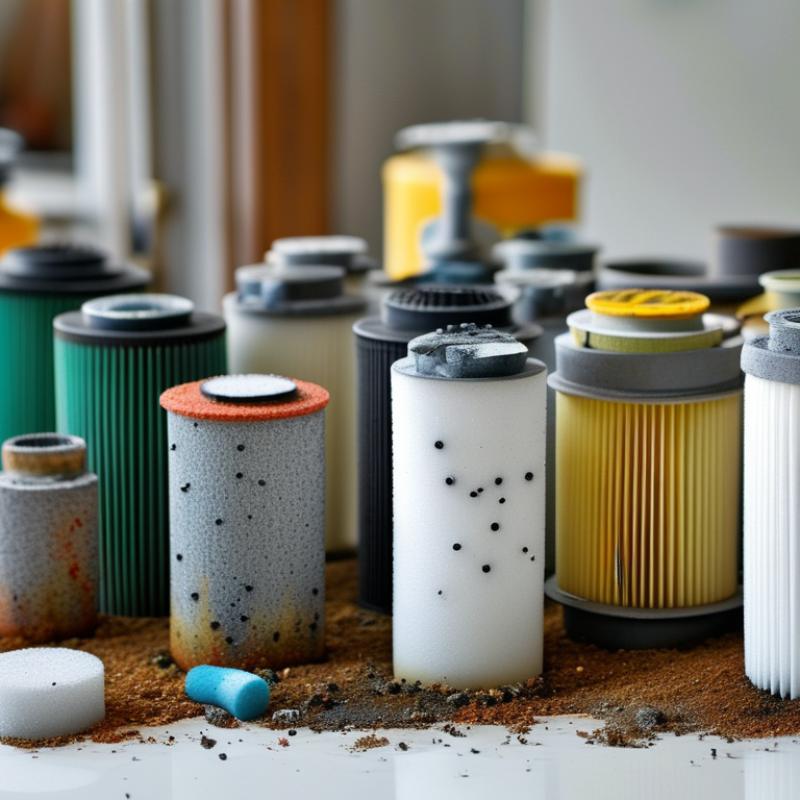
How to Choose the Right Cartridge Filter in 2026
Cartridge filters differ by structure, pore size, and target contaminant. Depth cartridges trap particles through layered media. They suit cloudy process water and prefiltration. Pleated cartridges provide greater surface area and often deliver longer service intervals. Membrane cartridges offer finer separation, but they need stable pressure and careful cleaning. Activated carbon cartridges reduce chlorine, odors, and some organic compounds. They do not remove every dissolved contaminant.
The application should guide the choice. Food facilities may need smooth, cleanable housings and documented materials. Electronics manufacturing often requires fine membrane filtration and strict particle control. Cooling systems usually prioritize sediment removal, flow stability, and low replacement costs. According to the U.S. Environmental Protection Agency’s 7th Drinking Water Infrastructure Needs Survey, U.S. systems may require 625 billion dollars in investment over 20 years. That pressure makes efficient filtration important, but efficiency is not simply a smaller micron rating.
Check the water analysis before selecting a cartridge. Compare turbidity, particle size, temperature, chemical compatibility, pressure drop, and peak flow. The World Health Organization states that 2.2 billion people lacked safely managed drinking water in 2022, according to its 2023 household water report. A cartridge can improve clarity, yet it cannot replace disinfection when pathogens are present. Real installations also reveal an uncomfortable detail: published service life may not match field conditions. Sediment loads change after storms. Operators should record pressure loss and outlet quality, then adjust replacement intervals. Testing matters more than guesswork.
Choosing a cartridge filter starts with the fluid, not the filter housing. Record its viscosity, temperature, chemical compatibility, and suspended-solid load. A clear liquid may still contain fine particles that quickly block a small cartridge. Measure particle size when possible. Guesswork often creates avoidable replacement costs.
Set a measurable performance goal before comparing filter options. Specify the target cleanliness level, flow rate, pressure drop, and service life. Decide whether the process needs particle removal, microbial control, or protection for downstream equipment. Use operating data from real production conditions, not only laboratory values. A filter rated for high flow may perform poorly when the fluid becomes colder and thicker.
My first specification focused too heavily on nominal filtration rating. That was incomplete. A filter can meet its particle target but fail through rapid loading or unstable pressure. Review test methods, batch records, and pressure trends with qualified technicians. Independent verification is useful when product quality depends on consistent retention. Leave a safety margin for flow surges and changing solids levels. It is easy to overdesign.
Also check cleaning practices, cartridge dimensions, sealing materials, and replacement access. A technically suitable cartridge is still a poor choice if operators cannot install it correctly. Document the reason for every requirement. That record supports reliable purchasing and makes future improvements easier.
2026 How to Choose the Right Cartridge Filter?
Compare Filter Materials, Micron Ratings, and Configurations
Start with the fluid. Its temperature, viscosity, chemistry, and suspended solids determine the suitable filter material. Polypropylene often suits general water service, while polyethersulfone supports demanding liquid applications. Polytetrafluoroethylene can resist aggressive chemicals, but compatibility must be verified carefully. A material that looks advanced may perform poorly in the wrong process.
Micron ratings need careful reading. A nominal rating indicates approximate particle removal, while an absolute rating reflects tighter, tested retention. These terms are not interchangeable. That distinction matters. Match the rating to the contaminant size and the required flow rate. Finer media can improve clarity, but they may increase pressure drop and replacement frequency. Check both clean and loaded conditions before approval.
Configuration affects reliability as much as media. Pleated cartridges provide high surface area, while depth cartridges can hold particles throughout their structure. Choose a double-open-end or single-open-end design according to the housing and sealing method. Confirm dimensions, operating pressure, temperature limits, and connection details. Fit still matters. In field work, I have seen a technically suitable cartridge fail because its seal compressed unevenly. My own selection process now includes a trial run with actual process fluid. Laboratory water can hide viscosity changes, rapid fouling, or unexpected pressure loss. Record inlet pressure, outlet pressure, flow, and service time during testing. One overlooked detail can change the result.
| Filter Material | Typical Micron Range* | Common Rating Type | Key Advantages | Main Limitations | Typical Chemical Compatibility | Recommended Configuration | Typical Applications |
|---|---|---|---|---|---|---|---|
| Polypropylene (PP) | 0.5–100 µm | Nominal or absolute, depending on construction | Broad chemical resistance, low extractables, economical, available as melt-blown or pleated media | Limited resistance to some hydrocarbons and elevated temperatures; performance varies by grade | Water, dilute acids, many bases, and selected solvents | Depth cartridges for high dirt loading; pleated cartridges for lower pressure drop and finer removal | Pre-filtration, process water, chemicals, food and beverage process streams |
| Polyethersulfone (PES) | 0.04–1.2 µm | Usually absolute for liquid sterilizing-grade applications | High flow, low protein binding, good water permeability, suitable for microbial reduction when properly validated | Not suitable for every organic solvent; integrity testing and process validation are required for critical applications | Aqueous solutions, buffers, and many pharmaceutical process fluids | Pleated membrane cartridges with sanitary or high-purity housings | Bioprocessing, pharmaceutical water, sterile filtration, and laboratory liquids |
| Polytetrafluoroethylene (PTFE) | 0.02–1.0 µm | Absolute membrane rating | Excellent chemical resistance and strong resistance to aggressive gases and solvents; hydrophobic grades are suitable for air and gas filtration | Hydrophobic versions require wetting for aqueous liquid filtration; generally higher cost | Strong acids, bases, solvents, gases, and many aggressive chemicals | Pleated membrane cartridges; hydrophobic cartridges for gas and vent service | Solvent filtration, corrosive chemical service, sterile air, gas, and tank vent filtration |
| Polyvinylidene Fluoride (PVDF) | 0.05–1.2 µm | Nominal or absolute membrane rating | Good chemical resistance, low protein binding, and useful mechanical strength | Compatibility with strong bases, ketones, and certain solvents must be checked carefully | Aqueous fluids, mild chemicals, and selected biological process fluids | Pleated membrane cartridges for liquid or gas service | Water treatment, bioprocessing, chemical processing, and air filtration |
| Nylon | 0.1–10 µm | Nominal or absolute membrane rating | Strong, easy to fabricate, and compatible with many aqueous and organic solutions | Can bind proteins; may be affected by strong acids and some aggressive chemicals | Water, dilute chemicals, and selected organic solvents | Pleated membrane cartridges for general laboratory and process filtration | Laboratory solvents, inks, coatings, and general liquid clarification |
| Glass Fiber | 0.7–100 µm | Generally nominal or depth-rated | High dirt-holding capacity, good flow, and effective removal of relatively large particle loads | May release fibers unless supported or appropriately constructed; not normally selected for final sterile filtration | Water, oils, gases, and selected chemicals; verify binder compatibility | Depth or graded-density cartridges used as pre-filters | Hydraulic oil, compressed air, process water, and high-solids pre-filtration |
| Stainless Steel Mesh | 5–500 µm | Usually absolute or defined opening size | High temperature resistance, strong mechanical durability, and cleanability for repeated use | Lower fine-particle capacity than depth media; mesh may plug rapidly with deformable solids | Many oils, fuels, solvents, and hot process fluids; alloy selection is important | Pleated metal cartridges or cylindrical screen cartridges designed for backwashing | Hot liquids, hydraulic systems, polymers, fuels, and reusable industrial filtration |
| Cartridge Configuration | Filtration Mechanism | Best Use | Advantages | Important Selection Consideration |
|---|---|---|---|---|
| Pleated Membrane | Surface filtration through a microporous membrane | Fine particle removal, microbial reduction, and final filtration | Large surface area, defined ratings, and relatively low pressure drop when correctly sized | Use a pre-filter when the fluid contains high solids to reduce premature plugging |
| Melt-Blown Depth | Particles are captured throughout a graded fiber matrix | General clarification and high-contaminant pre-filtration | Good dirt-holding capacity and no separate support core in many designs | Micron ratings are commonly nominal; confirm the test method before comparing products |
| String-Wound Depth | Particles are trapped in the progressively tighter winding structure | Fluids with variable particle sizes and moderate solids loading | Reliable depth loading and a wide range of material options | Fiber shedding, extractables, and compatibility depend on the yarn and core materials |
| Resin-Bonded Depth | Rigid porous matrix captures particles by depth | Industrial liquids and applications requiring a firm cartridge structure | Strong construction and good resistance to deformation | Binder chemistry may restrict use with solvents, high-purity fluids, or elevated temperatures |
| Pleated Metal or Screen | Particles are retained at a defined screen opening | Hot fluids, high-pressure systems, and reusable filtration | Durable, cleanable, and suitable for backwashing in compatible systems | Confirm collapse pressure, temperature limit, alloy compatibility, and cleaning method |
*Micron ranges are representative industry ranges, not universal specifications. Actual performance depends on media structure, test method, fluid properties, temperature, pressure, flow rate, and housing design.
Flow rate is the first practical check. A filter rated at 100 liters per minute may not deliver that rate in service. Its capacity changes with fluid viscosity, solids loading, and cartridge depth. The 2024 U.S. Department of Energy Industrial Decarbonization Roadmap identifies energy efficiency as a major industrial cost lever. Pumping losses deserve attention.
Pressure drop tells the real story. Record inlet and outlet pressure with a clean cartridge, then repeat the readings during operation. A rising differential pressure signals clogging. In many systems, replacing a filter too late increases pump workload and interrupts production. The International Energy Agency reports that water supply and wastewater services consume about 4% of global electricity. Small hydraulic losses can become expensive across continuous operations. I have seen teams choose a finer rating without checking pump capacity. That choice looked safer. It performed poorly.
Compatibility requires more than matching pipe size. Check temperature, chemical exposure, seal material, housing dimensions, and required removal rating. The cartridge must suit the fluid and the process. Review independent test data, not only marketing claims. The 2023 Water Environment Federation technical guidance emphasizes documented performance and operational monitoring for reliable filtration systems. Operating cost includes cartridges, labor, disposal, cleaning, pressure loss, and unplanned downtime. A cheaper cartridge may load faster. Calculate cost per treated volume. Leave a margin for seasonal solids changes. Perfect forecasts rarely exist. Expect to revise the selection after real pressure and flow data appear.
Choosing a cartridge filter starts with the water, process fluid, and expected flow rate. Measure twice. Do not guess. Check the fluid temperature, pressure, viscosity, and chemical compatibility before selecting the filter material. A suitable micron rating should remove target particles without causing rapid blockage. Smaller is not always better. It may increase pressure loss and replacement costs.
During installation, inspect the housing, seals, and cartridge for damage. Wash your hands and keep open components away from dust. Confirm the flow direction and seat the cartridge evenly. Tighten the housing according to its instructions, but avoid excessive force. Small leaks matter. After startup, check pressure readings and inspect connections for several minutes. A gradual pressure rise often indicates normal loading, while a sudden increase may signal poor sizing or contamination.
Maintenance should follow actual operating conditions, not only a calendar. Record inlet and outlet pressure, flow changes, replacement dates, and visible sediment. Replace the cartridge when pressure loss reaches the system’s approved limit. Waiting for a complete blockage can stress pumps and reduce output quality. In practice, records are sometimes incomplete, and the first selection may need adjustment. That is acceptable when decisions are based on measured results. Review performance after each replacement and refine the filter choice carefully.
Depth cartridges trap particles inside layered media. Pleated cartridges provide more surface area and longer service intervals. Membrane cartridges offer finer separation. Activated carbon cartridges reduce chlorine, odors, and some organic compounds.
Start with the fluid, not the housing. Check temperature, viscosity, chemical compatibility, particle size, and suspended solids. Define the required flow rate, pressure drop, cleanliness, and service life. Guesswork can increase replacement costs.
No. A smaller rating may improve particle removal but increase pressure loss. It can also block quickly when solids are high. Efficiency is more than a small micron number.
Depth cartridges often suit cloudy water and prefiltration. They capture particles through several media layers. Choose based on solids loading and expected flow changes. Storms may suddenly increase sediment.
Pleated cartridges offer a larger filtration surface. They may last longer between replacements. They work well when stable flow and extended service intervals matter. Actual results depend on the particle load.
Membrane cartridges provide finer separation. They need stable pressure and careful cleaning. Poor cleaning can damage performance. I once focused too much on the rating; that was incomplete.
No. Activated carbon can reduce chlorine, odors, and some organic compounds. It does not remove every dissolved contaminant. Confirm the specific water chemistry before relying on it.
No. A cartridge may improve clarity and remove particles. It cannot replace disinfection when pathogens are present. Water can look clear and still require additional treatment.
Record pressure loss and outlet quality during operation. Compare those readings with flow and sediment conditions. Replace cartridges when performance declines, not only by calendar date. Published service life may not match field conditions.
Check cartridge dimensions, sealing materials, housing access, and cleaning practices. Operators must install cartridges correctly. Leave room for flow surges and changing solids levels. Overdesign is also possible.
Choosing the right Cartridge Filter begins with understanding the different filter types and their intended applications, whether for water treatment, process protection, chemical handling, or air and liquid purification. Start by defining the target contaminants, required removal efficiency, flow rate, operating temperature, pressure range, and acceptable pressure drop. These factors help determine the appropriate micron rating, filter material, surface or depth configuration, and overall performance goals.
A complete evaluation should also consider chemical compatibility, housing dimensions, service life, replacement frequency, energy consumption, and total operating costs. After selecting a suitable filter, proper installation is essential to prevent leaks, bypass, or premature failure. Regular inspection, pressure monitoring, cleaning when applicable, and timely replacement will maintain consistent filtration performance. By balancing filtration requirements, material selection, system compatibility, and maintenance needs, users can choose a reliable Cartridge Filter that delivers efficient operation and long-term value.