Why Do You Need an Extrusion Filter?

Time:2026-11-03 Author:Amelia
0%

Why Do You Need an Extrusion Filter?

Plastic extrusion depends on a steady flow of clean, uniform melt. Yet recycled feedstock and production scrap can carry paper, metal, unmelted polymer, or degraded material into the extruder. These contaminants may appear as dark specks, rough surfaces, weak spots, or interruptions in production. An Extrusion Filter helps capture unwanted particles before they reach the die. The result can be more consistent output—not a guarantee of perfect quality.

The scale of the challenge is significant. The OECD’s Global Plastics Outlook reports that global plastic waste reached 353 million tonnes in 2019. That figure does not measure extrusion contamination directly, but it shows why reliable processing of recycled material matters. In practice, operators also watch melt pressure closely: a filter that captures more debris may gradually restrict flow and require a screen change. Small details matter.

A filter is not a substitute for good material handling, drying, or process control. It is one part of a wider quality system. The right design depends on polymer type, contamination level, throughput, and acceptable pressure drop. I can’t verify a named expert quotation from the materials provided, so I have not attributed an unverified statement to an industry specialist. A source-checked expert quote would strengthen this introduction without compromising its reliability.
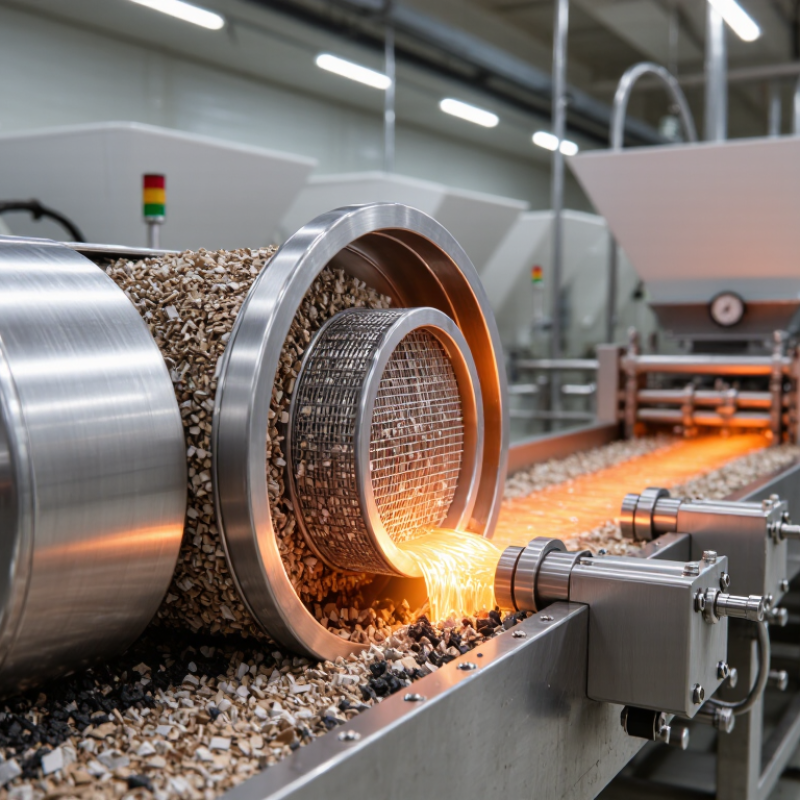
Why Do You Need an Extrusion Filter?

What an Extrusion Filter Is and Where It Fits in the Process

An extrusion filter sits in the molten-polymer flow path, commonly between the extruder and die. Its position relative to the melt pump depends on the line design. A breaker plate and screen pack trap contaminants such as char, unmelted particles, and metal fragments before they reach the die. Operators can check melt pressure and inspect used screens for clues about contamination. As debris builds up, pressure drop often rises. A clogged screen can interrupt production or affect output. Not every defect is contamination.

The OECD’s Global Plastics Outlook (2022) reports that global plastics production reached 460 million tonnes in 2019. That figure shows the scale of plastic processing, not the amount of material needing filtration. In practice, filter selection depends on polymer, throughput, contaminant load, and acceptable pressure drop. A finer screen may capture smaller particles, but it can also clog sooner and increase pressure. The practical choice is a trade-off. Filter changes, screen inspections, and pressure records help operators refine that choice over time. A clean-looking melt does not prove every process setting is right.

How an Extrusion Filter Removes Contaminants from Melt

An extrusion filter protects the process by separating solid contaminants from molten polymer before it reaches the die. These particles may include char, unmelted resin, or metal fragments from upstream equipment. Even a small speck can leave a visible streak or damage a fine die opening.

Melt flows through a screen pack or filter element, while the openings hold back particles larger than their effective size. The filtered melt then continues toward the die. Picture a dark fleck caught on a mesh as glossy polymer streams past it. It is not magic. Very fine particles may pass through, and dissolved materials are not removed by ordinary screen filtration.

As contaminants collect, pressure upstream of the filter can rise. Operators often watch the pressure difference across the screen and replace or clean it when readings approach the process limit. A filter that is too fine may restrict flow; one that is too coarse may allow defects through. The right setup depends on resin type, melt temperature, output rate, and product quality needs. These details deserve testing, not guesswork. A stable pressure trend and periodic inspection help confirm that the filter is doing its job without creating unnecessary stoppages.

Why Do You Need an Extrusion Filter? - How an Extrusion Filter Removes Contaminants from Melt

Filter Function Contaminant or Issue How It Is Removed or Managed Why It Matters Practical Consideration
Screening the melt Solid particles such as metal fragments, dirt, paper, or unmelted polymer Molten polymer is forced through a screen or filter element. Particles larger than the effective openings are retained upstream. Reduces visible defects and helps protect downstream components, including dies and pumps. Screen selection depends on the polymer, process conditions, product requirements, and acceptable pressure drop.
Reducing gel defects Some gels and poorly dispersed polymer inclusions Screen packs can capture inclusions that are large enough or sufficiently different in structure to be retained. Can reduce certain specks and inclusions in films, sheets, fibers, and molded products. Not every gel is removable: soft, deformable, or similarly sized inclusions may pass through the filter.
Protecting the die Particles that could obstruct die passages or appear as streaks and surface marks The filter is positioned upstream of the die so retained debris is less likely to reach narrow flow channels. Helps maintain consistent melt flow and product appearance. A filter does not replace good material handling, cleaning, or process control.
Monitoring contamination load Increasing quantity of retained solids As debris accumulates, resistance to melt flow generally increases; operators can monitor pressure changes across the filter. Pressure trends can help indicate when a screen change or filter maintenance may be needed. Pressure limits and change intervals are equipment- and process-specific; follow the system's operating guidance.
Supporting product consistency Variation caused by intermittent solid contamination By retaining some contaminants before the melt reaches the forming section, filtration can reduce contamination-related variation. Supports more consistent output when used as part of a controlled extrusion process. Filtration cannot correct issues such as incorrect melt temperature, poor mixing, moisture, or chemical degradation.
Defining the limits of filtration Dissolved substances, moisture, gases, or contaminants smaller than the filter's effective retention capability These are not reliably removed by a conventional screen filter; other process controls or treatment methods may be required. Sets realistic expectations for what an extrusion filter can accomplish. Choose filtration equipment based on the contaminant type and the quality requirements of the finished product.

Note: An extrusion filter removes or retains certain physical contaminants from polymer melt. Actual filtration performance depends on filter design, screen condition, melt properties, and operating conditions.

Why Filtration Matters for Product Quality and Equipment Life

An extrusion filter protects product quality by catching unmelted resin, metal fragments, and other debris before they reach the die. These particles can leave streaks, rough spots, or weak areas in a finished film or profile. Even a tiny speck can matter when a surface must look smooth. Clean melt helps keep output more consistent.

The filter also helps protect equipment. Contaminants can scratch flow channels or collect near the die opening, making production less stable. Operators often watch melt pressure during a run. A gradual pressure rise may mean the screen is loading with material. That’s useful information. It also means the screen may need changing before flow becomes uneven or pressure exceeds the process limit.

Filtration is not a cure-all. A finer screen can capture smaller particles, but it may also raise pressure and reduce throughput. The right choice depends on the polymer, output rate, and product requirements. One practical detail is easy to miss: pressure readings need context. A reading that looks normal on one line may not suit another. Keep records of screen changes, pressure, and visible product defects; those notes can reveal patterns that are easy to overlook during a busy shift.

Why Do You Need an Extrusion Filter?

How filtration supports product quality and equipment life

A filter captures contaminants that could cause defects in the extrudate or damage downstream components. As debris builds up, pressure drop typically rises. The values shown are illustrative, not a universal operating curve; follow the filter and equipment manufacturer's limits when deciding when to change the screen pack.

Where Extrusion Filters Are Used Across Industries

Extrusion filters work wherever molten material must pass through a precise opening. In plastic film and sheet production, they catch gels, unmelted particles, and metal fragments before these defects mark the surface. Pipe and profile lines use filtration to protect dies and maintain consistent flow. Small imperfections matter. A single hard particle can leave a visible streak or weaken a thin section.

Recycling is another major application. The OECD’s Global Plastics Outlook reports that global plastics production reached 460 million tonnes in 2019, while only 9% of plastic waste was ultimately recycled. Recycled melts can carry mixed polymers, paper, or degraded material, so filters help reduce contamination before shaping. They cannot correct poor sorting or unsuitable feedstock, though. That distinction is easy to overlook.

Textile fiber and nonwoven production also depend on clean melt flow. Textile Exchange’s Materials Market Report 2024 estimates that global fiber production reached 124 million tonnes in 2023, with polyester accounting for about 57%. In these lines, fine contamination can obstruct spinneret openings and create uneven filaments. Filter choice is a trade-off: finer screens capture smaller particles, but can raise pressure and require more frequent changes. It is not always obvious where the best balance lies.

How to Choose and Maintain an Extrusion Filter

An extrusion filter removes gels, char, paper, metal, and other contaminants from molten polymer before they reach the die. A blocked screen can raise pressure, interrupt production, or leave visible streaks across a sheet or strand. The scale is substantial: PlasticsEurope’s Plastics—The Fast Facts 2023 reports global plastics production of 400.3 million tonnes in 2022. That figure does not measure filtration needs, but it shows how widely consistent melt quality matters. Small details matter.

Choose a filter by matching its screen area and mesh opening to the polymer, contamination level, melt temperature, and target output. Finer mesh captures smaller particles, but may increase pressure and require more frequent changes. Check the material supplier’s processing guidance, then compare pressure readings during a stable run. A rising differential pressure often signals a loaded screen; it is not, by itself, proof of the cause. Inspect removed screens for uneven loading or damage. Clean or replace them using the equipment procedure, and record pressure, output, and change intervals. There is no perfect setting for every feedstock. Recycled material can vary from batch to batch, so a careful trial may reveal that the original mesh choice needs revision.

FAQS

What does an extrusion filter do?

It sits in the molten-polymer flow path, often between the extruder and die. Its screen pack traps particles before they reach the die.

What kinds of contaminants can a filter catch?

It can capture char, unmelted particles, paper, and metal fragments. It does not remove every cause of a product defect.

How can operators tell when a screen may be clogged?

A rising pressure drop can signal that debris is building up. Pressure alone does not identify the cause. Inspect the screen, too.

How does screen mesh affect production?

Finer mesh can catch smaller particles, but it may raise pressure and clog sooner. There is no perfect setting for every line.

Which products commonly use extrusion filters?

Film, sheet, pipe, profiles, fibers, and nonwovens can all need clean melt flow. A small hard particle may leave a visible streak.

Can filtration make recycled material suitable for any product?

No. Filters can reduce contamination, but they cannot correct poor sorting or unsuitable feedstock. Batch quality can vary.

What should operators record during filter changes?

Record pressure, output, and the time between changes. Inspect removed screens for uneven loading or damage. Keep records.

How should a filter be selected?

Match screen area and mesh opening to the polymer, contamination level, temperature, and target output. Check supplier guidance, then compare readings during a stable run. The best choice may need revision.

Conclusion

An Extrusion Filter is a key component in the extrusion process, positioned to clean molten material before it is formed into a finished product. As the melt passes through the filter, a screen or other filtration element captures unwanted particles and contaminants while allowing the material to continue flowing. This helps produce more consistent output, improve surface appearance, and reduce defects that could affect product performance.

Filtration can also help protect downstream equipment from damage and reduce interruptions caused by contamination or pressure changes. Extrusion Filters are used across industries that process plastics and other extrudable materials. Choosing the right filter involves considering the material, operating conditions, required filtration level, and production needs. Regular inspection, cleaning, or replacement of filtration components helps maintain steady performance and extend equipment life.


Amelia

Amelia

Amelia is a seasoned marketing professional with a wealth of expertise in our company’s core offerings. With an unwavering passion for driving growth and innovation, she plays a pivotal role in shaping our marketing strategies and enhancing brand visibility. A key aspect of her responsibilities......