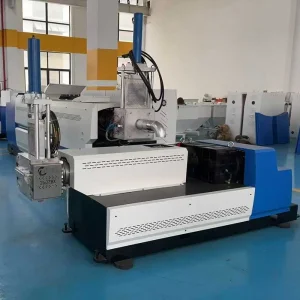
As global regulatory frameworks tighten under the UN Environment Programme (UNEP) Global Plastics Treaty and the European Union’s Packaging and Packaging Waste Regulation (PPWR), industrial manufacturers face unprecedented pressure to transition from linear consumption models to high-purity closed-loop circular economies.
While advanced chemical recycling (pyrolysis, solvolysis) gains momentum, mechanical extrusion remains the primary backbone for global plastic recycling due to its superior energy efficiency, lower carbon footprint, and immediate ROI. Modern Chinese recycling extruders bridge the gap by integrating ultra-fine vacuum degassing and continuous melt filtration to produce recycled resin pellets that match virgin polymer properties.
Extruding post-consumer and post-industrial polymers (PE, PP, PET, PS, ABS) exposes materials to thermal-mechanical stress, leading to chain scission, viscosity drop, and yellowing. Advanced Chinese extrusion technology incorporates precision fractionalized temperature zones, optimized screw length-to-diameter (L/D) ratios (up to 40:1), and high-shear low-temperature melting profiles to preserve molecular weight integrity.
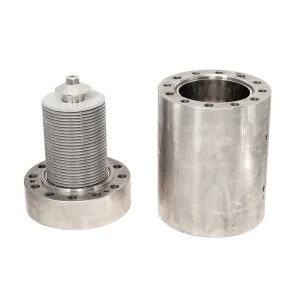
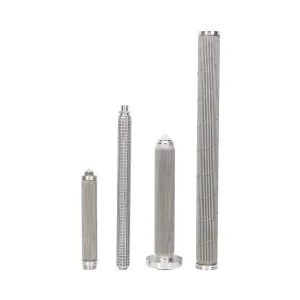
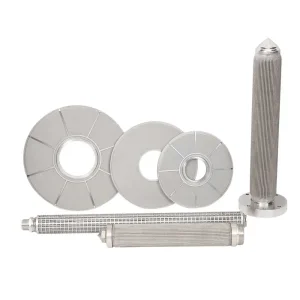
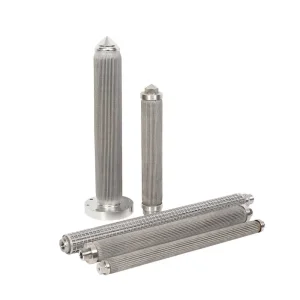
Post-consumer plastic waste streams typically carry organic residues, moisture (up to 8%), cross-contaminated polymers, and inorganic particulates (paper fibers, sand, metal traces). Exporters from China specialize in multi-stage extrusion architecture featuring dual-piston backflush continuous screen changers and high-surface-area polymer candle filter elements capable of trapping micro-contaminants down to 25 microns without interrupting melt flow.
China manufactures over 45% of the world’s plastic recycling machinery and filtration components. Driven by massive domestic industrial infrastructure and two decades of export experience to over 120 nations, leading Chinese OEMs provide custom-engineered granulating lines and polymer melt filtration systems that reduce capital expenditure (CapEx) by 40–60% compared to Western European alternatives while meeting strict European CE and North American UL engineering compliance standards.
Achieving high-grade polymer pelletization from heterogeneous plastic waste requires precise balance between plasticization, homogenizing shear, dynamic degassing, and ultra-fine melt filtration.
| Extruder Type / Component | Target Polymer Feedstock | Degassing Architecture | Filtration Integration | Throughput Output |
|---|---|---|---|---|
| Single-Stage Single Screw | Rigid Regrind (HDPE Drums, PP Crates, PS Trays) | Single Natural / Vacuum Vent | Manual / Hydraulic Plate Screen Changer | 150 - 600 kg/h |
| Double-Stage Cascade Single Screw | Washed Agricultural & Packaging Film (LDPE, LLDPE) | Dual Liquid-Ring High Vacuum Vents | Double-Piston Continuous Hydraulic Screen Changer | 250 - 1200 kg/h |
| Co-Rotating Parallel Twin Screw | PET Flakes, Highly Contaminated PIR/PCR Alloys & Masterbatches | Multi-Stage Triple Degassing + Side Feeders | SUS 304/316L Pleated Polymer Candle Filter System | 400 - 2500 kg/h |
| Cutter Compactor Integrated Extruder | Lightweight PE/PP Woven Bags, Foamed EPE, Raffia Filaments | Integrated Pre-heating Compactor + Mid-barrel Vent | Leaf Disc Filter / Auto-Self Cleaning Filter | 200 - 1500 kg/h |
In recycled plastic processing, moisture and low-boiling volatile compounds cause internal voids, severe foaming, and structural weakness in output pellets. Chinese recycling extruders utilize high-vacuum dual venting ports equipped with liquid-ring vacuum pumps capable of maintaining negative pressures down to -0.098 MPa. This ensures complete extraction of water vapor, printing ink monomers, and entrapped air prior to final melt filtration.
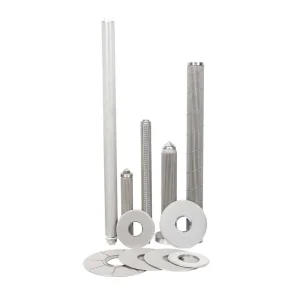
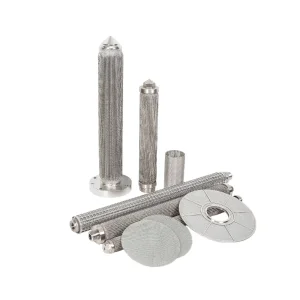
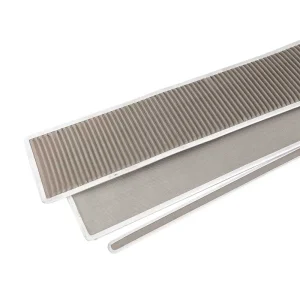
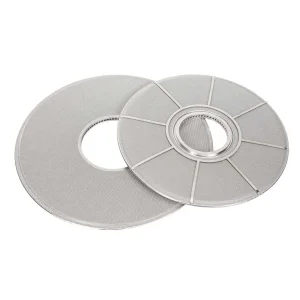
To achieve melt purity required for blown film, fiber spinning, and thin-wall injection molding, extruders are retrofitted with custom SUS 304 / SUS 316L stainless steel pleated candle filter cartridges or circular leaf disc filters. Featuring multi-layer sintered mesh construction with micron ratings spanning 25µm to 300µm, these filtration elements provide massive effective surface areas, low pressure differentials (ΔP), and extended operational lifespans before requiring chemical or thermal cleaning.
The global trade of plastic recycling granulating machinery is governed by localized feedstock characteristics, energy cost structures, and regional regulatory frameworks.
Driven by mandatory recycled plastic content quotas (e.g., 30% recycled content in PET beverage bottles by 2030), European recyclers require high-spec twin-screw pelletizing lines integrated with EFSA-compliant food-contact decontamination units and high-precision melt candle filtration. Chinese exporters routinely supply customized OEM modules and replacement SUS 316L filter elements to EU recycling facilities.
In North America, high labor costs demand fully automated extrusion lines featuring smart touchscreen PLC controls, continuous hydraulic screen changers, water-ring or underwater pelletizing units, and auto-sorting system integration. Equipment must adhere strictly to NEMA standards, UL electrical panels, and ANSI/SPI safety specifications.
Developing industrial hubs prioritize robust mechanical construction, ease of maintenance, tolerance to fluctuating grid power, and high output capacity for post-consumer agricultural films and municipal rigid waste. Chinese single-stage and double-stage recycling extruders represent over 70% of installed capacity in these regions.
Examining operational data and extrusion configurations across distinct industrial polymer recycling environments.
Challenge: Processing printed LDPE commercial stretch wrap with 5% moisture and heavy ink content without resin yellowing or gas bubble entrapment.
Challenge: Maintaining uniform melt flow index (MFI) and removing paper label fibers from shredded rigid drums and detergent bottles.
Challenge: Preventing intrinsic viscosity (IV) drop and gel formation during direct spinning or re-pelletization of washed rPET flakes.
Top-tier Chinese plastic recycling extruder exporters uphold stringent engineering governance to provide seamless installation, operational reliability, and global compliance.
Leading manufacturers enforce strict quality control over metallurgical raw materials. Extruder screws and barrels are fabricated from high-grade nitrided steel (38CrMoAlA or SACM645) or treated with bimetallic tungsten carbide alloy cladding for extreme abrasive and corrosive resistance. Stainless steel filter components (SUS 304 / SUS 316L) are supplied with full Mill Test Certificates (MTC EN 10204 3.1) guaranteeing chemical purity and mesh uniformity.
All exported granulating lines and melt filtration assemblies are engineered to conform with international safety codes. This includes European Machinery Directive 2006/42/EC, Low Voltage Directive 2014/35/EU, CE Marking, UL/CSA electrical cabinet compliance, and ISO 9001:2015 Quality Management System certification.
To minimize operational downtime, premier Chinese exporters maintain global technical assistance networks. Services include remote IoT telemetry diagnostics, emergency on-site field engineering, localized spare parts warehousing (screw elements, heater bands, hydraulic seals, candle filter cartridges), and comprehensive operator training programs.
The future of plastic recycling extrusion lies in intelligent automation, energy recovery, and zero-waste dynamic melt filtration.
Integration of closed-loop AI algorithms that dynamically adjust screw RPM, barrel heater zone temperatures, and feed rates in real time based on inline melt viscosity sensors, compensating for raw material batch variations in PCR feedstocks.
Next-generation dynamic continuous backflushing screen changers that reduce polymer melt loss during screen purging to less than 0.5% (compared to 3–5% on conventional systems), drastically maximizing production yield for high-value resins.
Widespread adoption of high-torque Permanent Magnet Synchronous Motors (PMSM) paired with ceramic infrared energy recovery barrel heaters, cutting specific electrical power consumption below 0.18 kWh per kg of processed polymer pellet.
In-depth technical answers addressing key procurement, engineering, and maintenance queries for plastic recycling extruders and filtration elements.
Consult directly with our senior polymer engineering team for tailored extrusion system design, micron-rating filter selection, and factory-direct export quotes.
Contact Our Engineering Experts