For decades, polypropylene (PP) dominated the woven sack and Flexible Intermediate Bulk Container (FIBC) markets due to its lower raw material density and ease of processing. However, global sustainability directives, Extended Producer Responsibility (EPR) regulations, and strict tensile strength requirements are rapidly driving an industrial transition toward Polyethylene Terephthalate (PET) woven fabrics. Unlike PP, PET offers superior creep resistance, extraordinary dimensional stability under high temperature, and higher tensile modulus, allowing industrial producers to down-gauge fabric weight while preserving mechanical load capacity.
Furthermore, post-industrial and post-consumer PET woven waste streams—ranging from rejected strapping bands, woven FIBC bulk bags, multi-filament yarns, to non-woven scrims—represent an extraordinarily high-value feed source for recyclers. When re-processed through an optimized PET Woven Recycling Machine, recycled PET (rPET) pellets retain high intrinsic viscosity (IV), making them suitable for high-end secondary applications such as BOPA/BOPET packaging film, strapping lines, bottle-to-bottle resin blenders, and continuous filament extrusion.
Unlike Polyolefins (PE/PP) which exhibit zero hydrolytic degradation during thermal melting, PET is an ester-linked polymer highly susceptible to hydrolytic cleavage. When PET woven fabrics containing surface moisture or ambient humidity are fed into a standard extrusion system without pre-conditioning, water molecules break the ester bonds at elevated temperatures (260°C–290°C). This results in a catastrophic drop in Intrinsic Viscosity (IV), converting a high-grade polymer (IV 0.72–0.85 dl/g) into brittle, degraded melt (IV < 0.50 dl/g) unusable for industrial extrusion.
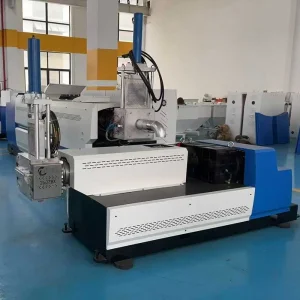
To overcome these systemic challenges, professional engineering suppliers utilize advanced multi-stage recycling architectures incorporating crystallization pre-drying, vacuum degassing twin-screw melt homogenization, and micro-fine continuous melt filtration. Below is a structural technical comparison between standard polyolefin recycling systems and specialized PET woven recycling systems:
| Performance Metrics | Standard PE/PP Recycling Line | Advanced PET Woven Recycling Line |
|---|---|---|
| Pre-Conditioning Unit | Standard Agglomerator / Compactor | Infrared Rotary Drum (IRD) / Dehumidifying Dryer |
| Moisture Tolerance at Extruder | Up to 1.5% - 2.0% | Strictly < 50 ppm (0.005%) to prevent hydrolytic degradation |
| Degassing System | Single Natural Vent + 1 Vacuum Vent | Triple-Stage High Vacuum System (< 10 mbar absolute) |
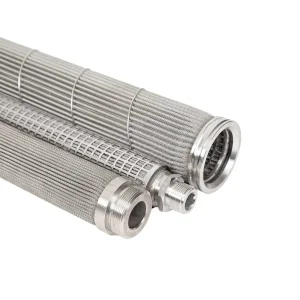
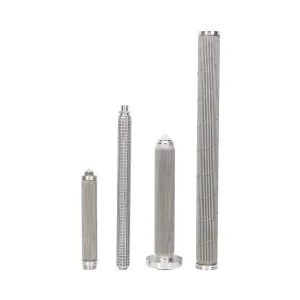
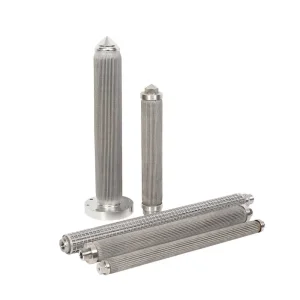
| Filtration Architecture | Manual / Hydraulic Single-Board Mesh Changer | Dual-Piston Continuous Laser or Candle Filter Array |
| Melt Viscosity Control | Unmonitored / Variable MFI | Real-time Rheometer Telemetry & SSP Option |
Heavy-duty dual-shaft shredders reduce dense PET woven bales, FIBC fabric rolls, and strapping bundles into uniform flakes while minimizing fine dust creation.
Continuous thermal friction washing with alkaline detergents removes surface contaminants, printing inks, residual oils, and paper labels from woven fibers.
Rapid infrared rotary drying heats PET flakes within 15 minutes, achieving full crystallization and reducing moisture content to below 50 ppm.
Co-rotating twin-screw extruder with multi-stage high-vacuum zones guarantees intensive devolatilization, stripping monomers, volatiles, and odor molecules.
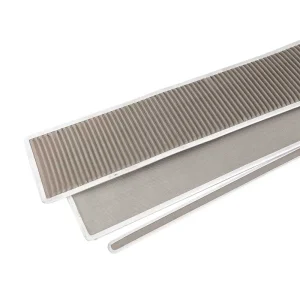
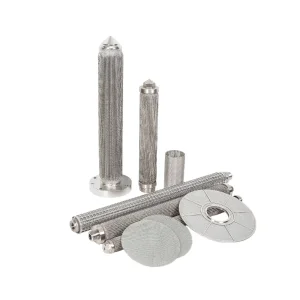
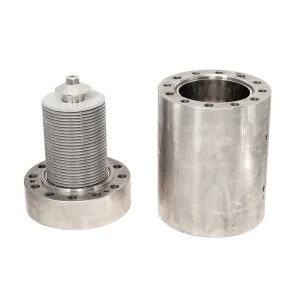
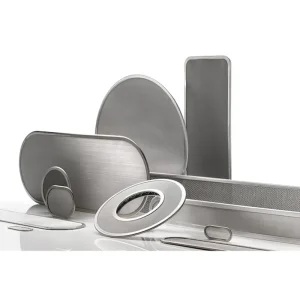
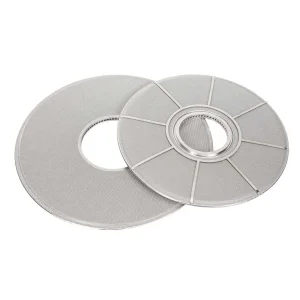
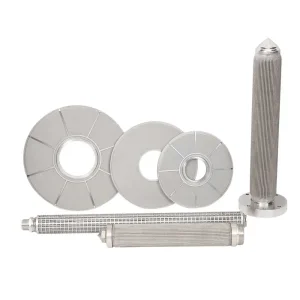
High-surface-area candle filter elements or leaf disc filters remove non-melting contaminants, cross-linked gels, and micro-particles down to 25 microns.
Precisely cut spherical pellets undergo Solid-State Polymerization (SSP) to boost Intrinsic Viscosity (IV) up to 0.85 dl/g for high-tenacity yarn re-extrusion.