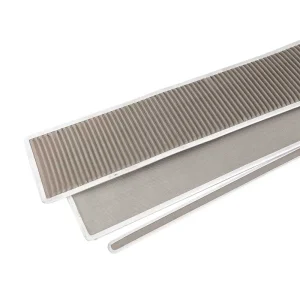
Explore our high-performance recycling granulators, extruder screen mesh, and SUS 304/316 polymer candle filters engineered for maximum throughput and IV stability.
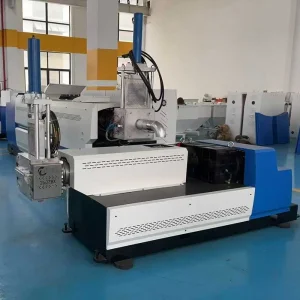
Polyethylene Terephthalate (PET) is one of the most widely used thermoplastic polymers globally, essential for bottle manufacturing, synthetic fibers (polyester), thermoforming sheets, and high-tensile industrial strapping. However, processing PET presents unique thermodynamic and chemical challenges. Unlike polyolefins such as Polypropylene (PP) or Polyethylene (PE), PET is a semi-crystalline condensation polymer that is highly susceptible to hydrolytic degradation when subjected to elevated temperatures in the presence of trace moisture.
Partnering with an experienced OEM PET pelletizing machine supplier requires a thorough understanding of polymer physics, viscosity retention, devolatilization, and fine melt filtration. When post-industrial or post-consumer PET flakes undergo reprocessing, the extrusion system must maintain strict operational tolerances to prevent the loss of Intrinsic Viscosity (IV), minimize Acetaldehyde (AA) generation, and eliminate micro-contaminants that cause structural defects in downstream end-products.
Core Engineering Metric: High-performance PET pelletizing lines must restrict Intrinsic Viscosity (IV) loss to less than 0.02–0.04 dL/g across the extrusion pass through multi-stage high-vacuum devolatilization (below 10 mbar) and precision melt filtration down to 20 microns.
To achieve virgin-like polymer properties from recycled PET (rPET) flakes or industrial off-cuts, an OEM pelletizing line integrates specialized processing steps:
Understanding circular economy mandates, regional regulatory compliance, and total cost of ownership (TCO) driving procurement decisions worldwide.
Global brand owners are legally mandated to incorporate 25% to 50% post-consumer recycled content (rPET) into food packaging by 2030. OEM machine suppliers must deliver extrusion systems capable of passing FDA Non-Objection Letters (NOL) and EFSA decontamination protocols through integrated Solid-State Polymerization (SSP) pre-conditioning or deep vacuum degassing.
The global shift from downcycling PET into low-grade fiber toward closed-loop "Bottle-to-Bottle" recycling has created a surging demand for pelletizers that preserve optical clarity, maintain strict color values (L*, a*, b*), and eliminate black spots caused by localized polymer scorching.
With rising power costs, global procurement directors prioritize OEM pelletizing suppliers whose machines feature ceramic energy-saving heating bands, direct-drive permanent magnet motors, and thermal insulation shields, reducing power consumption down to 0.25 - 0.35 kWh/kg.
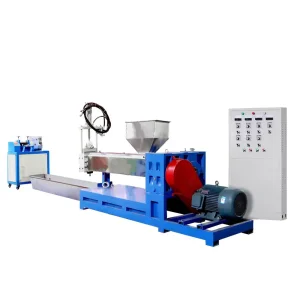
A complete OEM PET Pelletizing Production Line comprises four interconnected core assemblies: feeding/dosing, extrusion/devolatilization, polymer melt filtration, and pellet cutting/cooling.
Equipped with modular screw elements made of high-speed tool steel (W6Mo5Cr4V2 or nitrided 38CrMoAlA), configured specifically for PET melting, homogenizing, and vent degassing. Multi-stage vacuum zones draw out moisture, monomers, and VOCs efficiently.
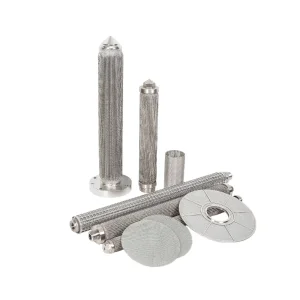
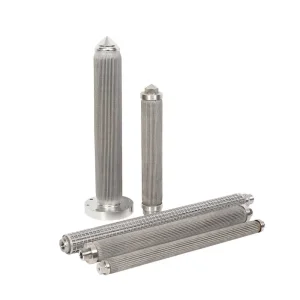
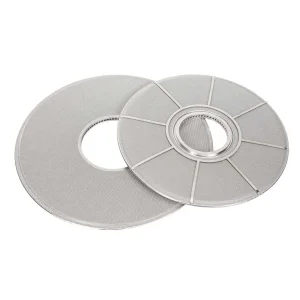
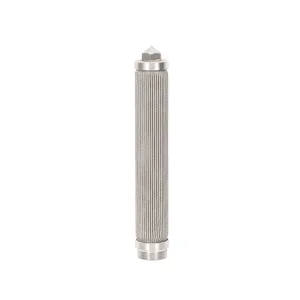
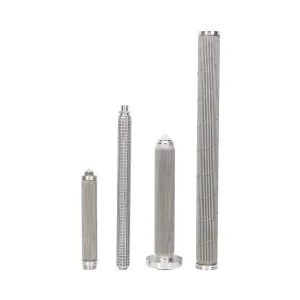
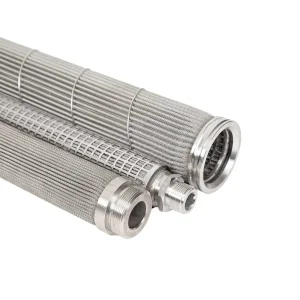
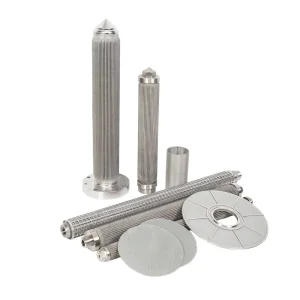
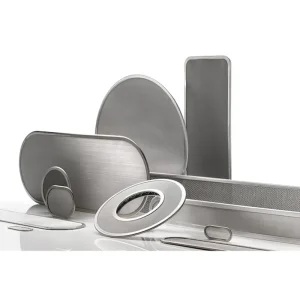
Integrated directly before the die head. Utilizes Polymer Candle Filter Cartridges and Leaf Disc Filters made from stainless steel (SUS 304/316L) to trap non-melting contaminants, rubber fragments, and dirt down to micro-fine levels.
Molten PET is extruded through a circular die ring into a pressurized water chamber. Rotating cutter blades slice the polymer immediately into uniform, spherical pellets. Water quenches pellets instantaneously to lock in clarity and structure.
Selecting the correct pelletizer configuration depends on target output, raw material contamination level, and downstream product requirements.
| Pelletizing Method | Typical Capacity | Pellet Shape & Quality | Best Application | Filtration Requirement |
|---|---|---|---|---|
| Water Strand Pelletizing | 300 - 1,200 kg/h | Cylindrical, good uniformity | Post-industrial PET sheet waste, rigid recycling | Hydraulic dual-piston screen changer |
| Underwater Pelletizing (UWP) | 800 - 3,500 kg/h | Spherical, high clarity, dust-free | Food-grade bottle-to-bottle, high IV rPET resin | Continuous CPF Candle Filter System (SUS 316L) |
| Air-Cooled Strand Pelletizing | 150 - 500 kg/h | Cylindrical, low thermal moisture | Specialty PET compounds, masterbatches | Single/Double plate mesh filter |
China’s polymer machinery sector has undergone a profound technological transformation. Leading manufacturers combine advanced CNC precision machining, digitalized Quality Assurance (QA), and integrated regional industrial clusters (such as Zhejiang and Jiangsu polymer equipment hubs) to offer unmatched supply chain resilience.
Modern Chinese OEM pelletizing equipment integrates Siemens or Schneider PLC control systems, cloud-based remote diagnostics, automatic melt pressure matching, and real-time melt temperature monitoring to prevent operator error.
By fabricating key components in-house—including barrel gearboxes, screw flights, screen changers, and stainless steel filter elements—Chinese OEM suppliers eliminate vendor markups and guarantee fast delivery of replacement parts.
Leading OEM machine factories adhere to ISO 9001 quality management standards, CE safety certifications, and DIN/AISI material compliance, ensuring seamless installation in European and North American manufacturing plants.
OEM PET pelletizing systems engineered in China are operated by plastic recyclers, fiber spinners, and packaging convertors across more than 80 countries. Here are key localized application scenarios:
Requirement: EU Regulations demand 25% recycled content in PET beverage bottles by 2025. Recyclers require continuous underwater pelletizing with ultra-low volatile organic compound (VOC) emissions, zero black spots, and strict food-grade compliance.
OEM Solution: Twin-screw PET pelletizing extruder with multi-stage high-vacuum degas, integrated dual-candle filter changeover system (20μm rating), and SSP reactor interface.
Requirement: High-capacity processing of post-consumer PET bottle flakes into recycled polyester fiber for textiles, non-wovens, and carpets. High filtration capacity is essential due to heavy paper/glue contamination.
OEM Solution: High-torque single-screw or twin-screw strand pelletizing line equipped with large-area plate or disc continuous screen changers and high-durability SUS 304 mesh filter packs.
Requirement: Industrial strapping requires high intrinsic viscosity (IV 0.78–0.85 dL/g) and extreme tensile breaking strength.
OEM Solution: Direct recycling pelletizer equipped with liquid-ring vacuum pumps, precision gear metering pumps, and leaf disc filter elements ensuring stable melt pressure and zero breakage during stretching.
Standard engineering parameters across our custom OEM PET recycling machine models.
| Model Series | Screw Dia (mm) | L/D Ratio | Motor Power (kW) | Vacuum System | Filtration Type | Output Capacity |
|---|---|---|---|---|---|---|
| HG-PET-75T | 75 mm | 40:1 / 44:1 | 110 - 132 kW | Dual-stageRoots + Water ring | SUS 304 Candle Filter / Hydraulic Screen | 300 - 500 kg/h |
| HG-PET-95T | 95 mm | 44:1 / 48:1 | 200 - 250 kW | Triple vacuum vent (< 10 mbar) | Continuous Double-Piston / CPF Candle Filter | 600 - 900 kg/h |
| HG-PET-120T | 120 mm | 48:1 / 52:1 | 315 - 400 kW | High-vacuum degassing system | Multi-element Leaf Disc / Candle Filter | 1,200 - 1,800 kg/h |
| HG-PET-150T | 150 mm | 48:1 / 52:1 | 500 - 630 kW | Deep vacuum devolatilization | High-area CPF Candle Filter System (SUS 316L) | 2,000 - 3,500 kg/h |
In-depth engineering answers to common technical queries from procurement directors and plant managers.
IV degradation is primarily caused by moisture hydrolysis and thermal shear breakdown. Our OEM machines prevent IV drop through two methods: 1) Pre-drying PET flakes in a dehumidifying crystallizer to <50 ppm moisture, or 2) Using a co-rotating twin-screw extruder with multi-stage high-vacuum devolatilization ports (<10 mbar) that extract moisture immediately as the material melts. Combined with gentle, low-shear screw profiles, IV drop is kept below 0.02 - 0.04 dL/g.
Candle Filter Cartridges (manufactured from SUS 304 or 316L stainless steel woven wire mesh or sintered metal felt) provide up to 5 to 10 times more active filtration surface area compared to flat screen discs of equivalent housing diameter. This significantly reduces melt pressure drop, extends uninterrupted production cycles from hours to days, and prevents thermal degradation of PET polymer residing in high-pressure pockets.
Yes. Our twin-screw pelletizing machines excel at homogenizing feedstock with varying IV levels. The kneading and mixing zones of the co-rotating twin screws thoroughly blend different melt streams into a uniform polymer melt. If higher structural strength is required, an optional Solid-State Polymerization (SSP) reactor can be integrated downstream to boost the overall IV of the finished rPET pellets to food-grade bottle levels (>0.80 dL/g).
PET is an abrasive polymer, especially when filled with titanium dioxide (TiO2) or glass fiber additives. We utilize premium tungsten carbide (WC) tipped cutter blades paired with hardened stainless steel die plate faces (coated with titanium nitride or ceramic alloy), ensuring long operational lifetime, clean pellet slicing, and zero blade vibration chatter.
Acetaldehyde is a thermal byproduct of PET processing that alters the taste of bottled water. Our OEM machines reduce AA generation by maintaining low melt temperatures through optimized screw geometry, eliminating stagnant dead-spots in the melt pipe, and applying high-vacuum devolatilization to vent off trace AA molecules before pelletization.
As a specialized OEM factory, we offer end-to-end customization including: custom screw L/D ratios, specialized gearbox torque ratings, custom brand electrical components (Siemens, ABB, Schneider, Omron), tailored melt pump and screen changer integration, private-label color branding, and custom voltage configurations (220V–480V, 50Hz/60Hz).
Standard OEM machine manufacturing lead time is between 45 to 60 days from technical drawing sign-off. We provide full factory FAT (Factory Acceptance Testing) before shipment, complete operating manuals, CAD foundation drawings, and send senior field installation engineers to customer factories worldwide for commissioning and staff training.
Explore customized polymer leaf disc filters, pleated candle cartridges, and plastic recycling machines.