1. Global Enterprise Procurement Trends in Plastic Waste Recycling
The global transition toward a circular economy has fundamentally altered the strategic imperatives of chemical conglomerates, packaging manufacturers, and plastic recycling enterprises. Industrial buyers are no longer seeking basic waste collection or rudimentary extrusion machines; they require customized, high-purity plastic waste recycling infrastructure capable of delivering virgin-grade recycled polymers. As regulatory bodies enforce strict mandatory minimum Post-Consumer Recycled (PCR) content mandates—such as the European Union’s Packaging and Packaging Waste Regulation (PPWR)—the demand for specialized Custom Recycling Of Plastic Waste Exporters & Company partnerships has escalated exponentially.
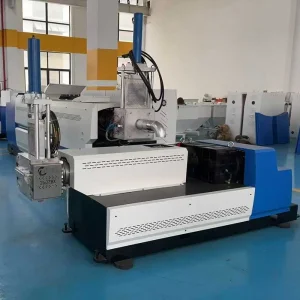
Modern plastic waste streams are inherently heterogeneous and contaminated with cross-polymers, organic residues, inks, and solid particulates. Converting low-grade Post-Industrial Recycled (PIR) and Post-Consumer Recycled (PCR) feedstocks into high-value resins suitable for high-speed film blowing, chemical fiber spinning, and food-grade rigid packaging requires multi-stage thermal and mechanical filtration. Exporters in this space must possess specialized metallurgical engineering capabilities, advanced melt filtration technology, and precise control over polymer rheology.
Information Gain Key Insight: The Melt Purity Bottleneck
The core bottleneck in high-value plastic recycling is not shredding or washing—it is micro-particulate melt filtration under high pressure and temperature. Unfiltered gels, degraded carbon specks, and sub-50 micron inorganic contaminants cause strand breakage, film pinholes, and premature die wear, driving up operational costs by up to 35%.
Key Procurement Drivers for Multinational Buyers
- Melt Flow Index (MFI) Consistency: Recycled resin lots must exhibit zero batch-to-batch MFI deviation to avoid disruption to automated downstream extrusion equipment.
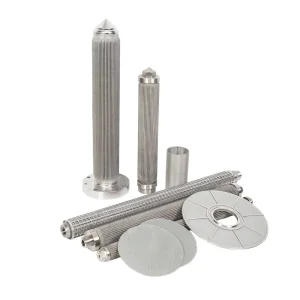
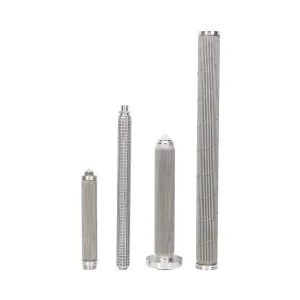
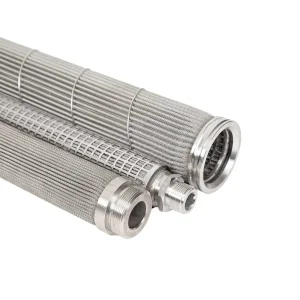
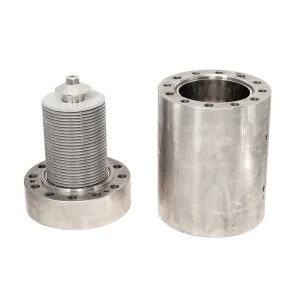
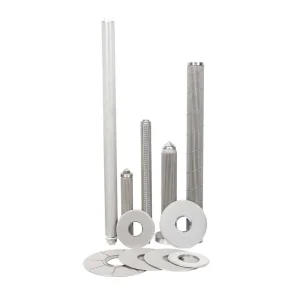
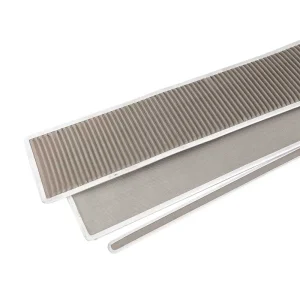
- Thermal and Pressure Stability: Stainless steel filter elements (SUS 304 / SUS 316L) must endure continuous operational temperatures up to 350°C and differential pressures reaching 250 bar.
- Traceability and ESG Compliance: Enterprise buyers demand fully auditable equipment supply chains certified under ISO 9001, ISO 14001, and European CE compliance standards.
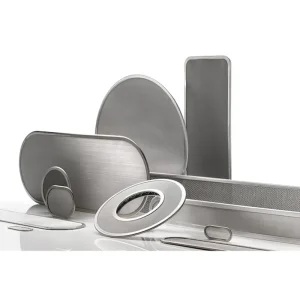
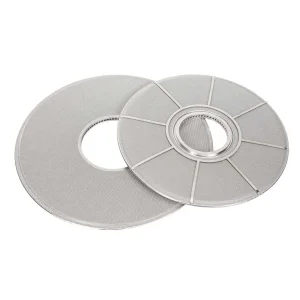
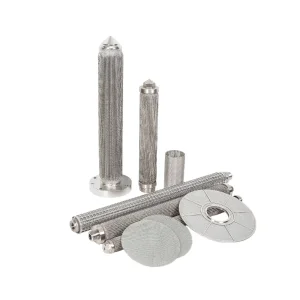
- Total Cost of Ownership (TCO): Preference is given to continuous filtration systems featuring reusable candle filters and leaf discs that can undergo multiple thermal or chemical regeneration cycles without structural fatigue.