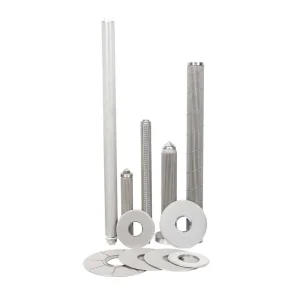
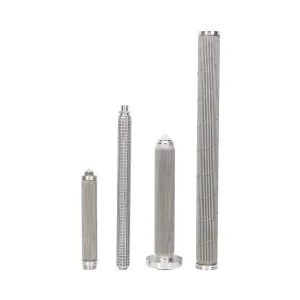
Explore our top-tier industrial filter elements certified for polymer melt processing, high-speed extrusion lines, and recycling equipment.
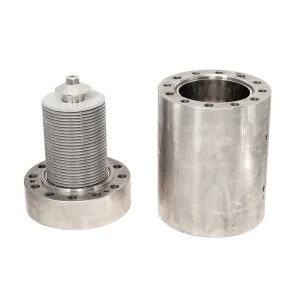
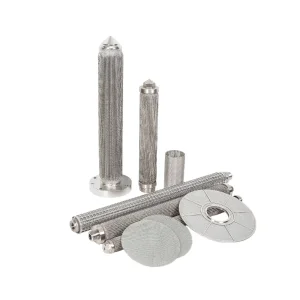
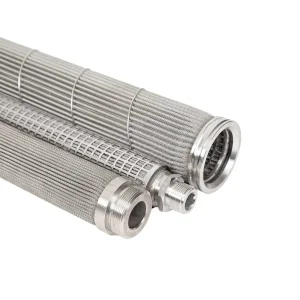
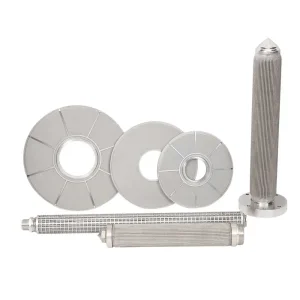
In modern high-capacity polymer manufacturing—spanning polyethylene terephthalate (PET), polyamide (PA6/PA66), polypropylene (PP), and polycarbonate (PC)—achieving ultra-high melt purity is no longer just an operational preference; it is a critical commercial mandate. Polymer Candle Filters represent the technological pinnacle of continuous high-viscosity melt filtration. Designed to operate under extreme thermodynamic conditions (temperatures exceeding 350°C and fluid differential pressures reaching up to 350 bar), these cylindrical metal filter elements safeguard downstream spinnerets, extrusion dies, and stretch-blow equipment from micro-particulate contamination, cross-linked gel agglomerates, and degraded degraded polymer fragments.
As global demand for ultra-thin biaxially-oriented films (BOPP, BOPET, BOPA), technical synthetic fibers (POY, FDY, industrial yarn), and high-grade recycled plastics (PCR/PIR) accelerates, the world's leading Candle Filter Manufacturers & Suppliers have transitioned from basic woven mesh fabrications to advanced 3D metallic sintered fiber fleeces and micro-pleated element architectures. Modern automated continuous filtration systems utilize multi-candle vessel manifolds that maximize surface area per unit volume, enabling production lines to maintain run-times exceeding 12 to 18 months without unscheduled shutdowns for element replacement.
The macroeconomic trend toward circular plastic economies has further reshaped industry expectations. Recycled polymer melts contain significantly higher contaminant loading, varied rheological properties, and abrasive particles. Consequently, top-tier manufacturers like Pujiang HG Plastic Machinery Co., Ltd. have integrated advanced metallurgy—utilizing premium AISI 316L stainless steel, SUS 304, and corrosion-resistant nickel alloys—to engineer long-life candle filter cartridges capable of undergoing multiple chemical thermal cleaning and ultrasonic backwashing cycles without degradation of the filter matrix.
Selecting the optimal filter cartridge geometry and media construction is vital for minimizing initial pressure drop ($\Delta P$) while maximizing dirt-holding capacity (DHC). The table below outlines the performance characteristics of primary candle filter media offered by leading suppliers:
| Filter Media Type | Filtration Mechanism | Porosity (%) | Dirt Holding Capacity | Cleaning / Reusability | Target Application |
|---|---|---|---|---|---|
| 3D Sintered Metal Fiber Felt | Depth Filtration | 75% - 85% | Exceptional (High DHC) | Excellent (Calcination / Ultrasonic) | High-viscosity PET/PA melt, BOPET film, micro-denier fiber |
| Pleated Wire Mesh (SUS 316L) | Surface & Pleated Depth | 50% - 60% | High (Extended Surface) | Superior (Backwashing / Solvents) | BOPP film, PE extrusion, PP spunbond nonwovens |
| Multi-Layer Sintered Mesh | Rigid Surface Barrier | 35% - 50% | Moderate | Maximum Structural Rigidity | High-pressure hydraulic, polymer recycling, masterbatch melt |
| Cylindrical Plain Wire Cloth | Single Layer Surface | 30% - 40% | Standard | Easy Surface Flush | Coarse pre-filtration, recycled granulators, screen changers |
Standard cylindrical candle filters often experience localized flow stagnation near the core, leading to polymer thermal degradation and black-spot formation. Modern engineered candle filters from premium factories feature an optimized internal perforated support tube (core rod) with uniform flow distribution slots. This differential perforation design balances radial fluid velocities, reducing maximum shear rate by up to 35% and mitigating gel formation in heat-sensitive polymers like EVOH, PLA, and PVDC.
Engineered candle filter cartridges tailored for demanding production environments worldwide.
In ultra-thin optical film manufacturing (such as release films, solar backsheets, and display polarizers), even a 5-micron contamination void can cause film tears or optical distortion. Candle filter manifolds equipped with 3D sintered stainless steel fiber felt (rated 3μm–10μm absolute) deliver ultra-clean melt streams, minimizing line breakage and enabling continuous extrusion speeds up to 500 m/min.
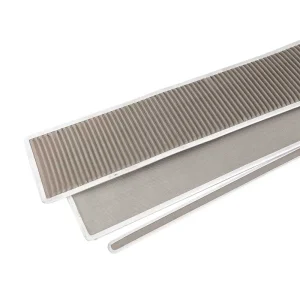
For medical-grade nonwovens and hygiene spunbond fabrics, spinneret nozzle clogging causes filament defects and non-uniform web formation. OEM customized SUS 304/316 pleated candle filter cartridges provide expanded surface filtration, ensuring stable pressure upstream of the spinning pump and extending spinneret pack operational lifespans by up to 300%.
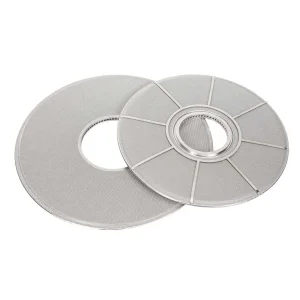
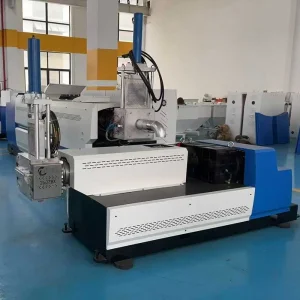
Recycling machines and granulating lines face heavy particulate contamination from paper fiber, aluminum specks, and degraded polymers. High-strength sintered mesh candle filter cartridges and screen mesh filters withstand extreme pressure spikes, enabling continuous pelletizing without frequent screen changes.
In polyester and nylon chemical fiber production, consistent viscosity and particle freedom determine tensile strength and dyeability. Stainless steel candle elements installed in duplex filter systems permit uninterrupted filter switching during continuous high-temperature spinning processes.
How leading candle filter manufacturers are driving digital transformation and sustainable metallurgy in polymer engineering.
The next decade of industrial melt filtration will be governed by three foundational technological shifts:
In-depth technical answers regarding candle filter selection, maintenance, and performance optimization.
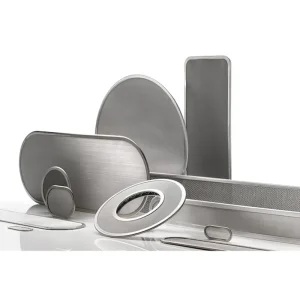
Select from our extensive inventory of standard and customized filtration products designed for optimal performance.