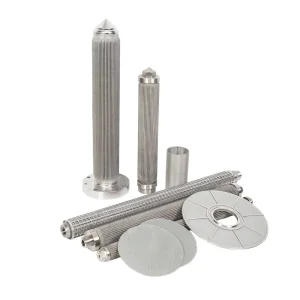
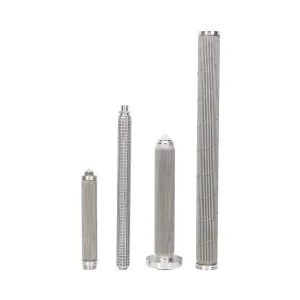
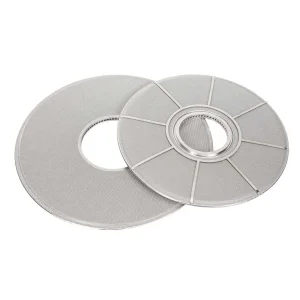
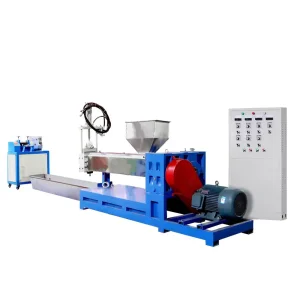
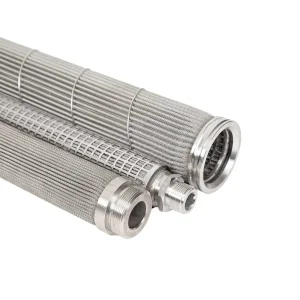
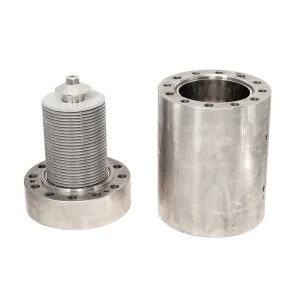
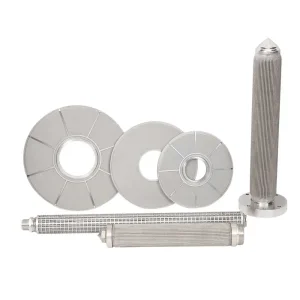
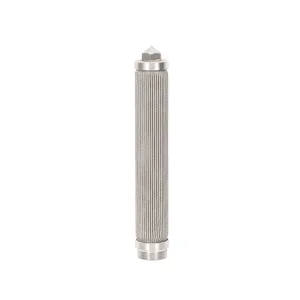
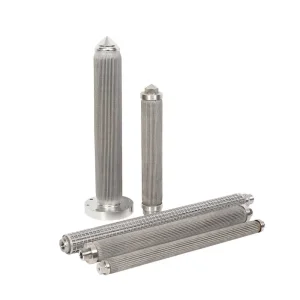
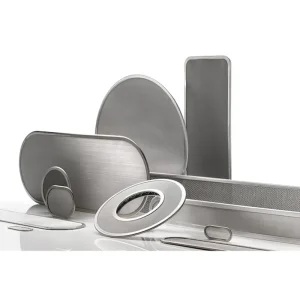
Precision-engineered continuous melt filters, stainless steel candle filter elements, and screen meshes designed for heavy-duty plastic recycling and polymer extrusion applications.
As global environmental mandates tighten and brand owners commit to ambitious recycled content targets (rPET/rHDPE), the demand for high-efficiency, Original Design Manufacturer (ODM) bottle recycling machines and continuous melt filtration systems has reached an unprecedented pinnacle.
In the contemporary plastic recycling ecosystem, standard off-the-shelf recycling machinery often fails to address the localized complexities of post-consumer waste streams. Post-consumer PET bottles, HDPE milk containers, and PP bottles arrive at recycling facilities with varying degrees of contamination, adhesive residues, paper/PVC labels, and organoleptic impurities. Modern plastic processors require bespoke ODM engineering solutions that seamlessly integrate optical sorting, high-friction dynamic washing, continuous melt filtration, and vacuum degassing extrusion to produce premium-grade flakes and rPET pellets suitable for bottle-to-bottle reproduction or high-tenacity filament spinning.
Core Technical Directive: The modern benchmark for ODM bottle recycling machinery lies in maximizing polymer intrinsic viscosity (IV) retention while minimizing melt filtration pressure drops. Achieving food-contact approval (FDA EFSA compliance) demands multi-stage filtration capable of capturing microscopic particulates down to 20 microns without interrupting continuous melt flow.
Analyzing the regulatory drivers, technological breakthroughs, and macro economic factors shaping the future of industrial plastic bottle recycling systems worldwide.
Regulatory frameworks such as the EU Single-Use Plastics Directive (requiring 25% rPET in beverage bottles by 2025 and 30% by 2030) are forcing beverage giants to secure stable supplies of food-contact rPET resin. ODM suppliers must engineer washing and decontamination modules capable of achieving FDA/EFSA food-grade standards.
With soaring industrial energy costs globally, recycling plants require ODM machinery equipped with electromagnetic induction heating, direct-drive motor setups, and optimized screw length-to-diameter (L/D) ratios to reduce specific power consumption (kWh/kg) by up to 25–35%.
Traditional manual screen changers cause severe melt flow disruptions and material waste. Industry leaders are transitioning toward automated hydraulic dual-piston or multi-plate continuous back-flush melt filters that operate continuously without pressure spikes or production stoppages.
China has emerged as the global epicenter for heavy industrial machinery export, combining advanced metallurgical engineering, complete supply-chain ecosystems, and cost-effective ODM customization.
China's machinery manufacturing clusters in Zhejiang and Jiangsu provinces integrate raw material procurement, high-precision CNC machining centers, specialized surface treatment (such as nitriding and hard chrome plating), and electrical assembly within tight geographical radius. This enables rapid ODM prototyping, lower freight overheads, and expedited production lead times.
Unlike European suppliers offering standardized, inflexible machinery configurations at premium capital costs, Chinese factories specialize in custom ODM engineering. Whether a customer requires specialized alloy barrels for acidic post-consumer contaminants, custom electrical cabinets conforming to UL/CE standards, or integrated multi-layer candle melt filters, Chinese exporters provide responsive co-engineering.
Investing in Chinese ODM bottle recycling machines delivers superior return on investment (ROI). Lower CAPEX requirements allow recycling enterprises to allocate capital toward advanced downstream water purification, high-precision optical sorters, and premium stainless steel filter consumables (SUS 304/316L candle cartridges).
Modern Chinese exporters employ comprehensive factory acceptance testing (FAT), dynamic pressure testing of melt filter housings, ultrasonic non-destructive testing on welded joints, and full pre-shipment trial runs with actual customer plastic waste materials to ensure plug-and-play global installation.
From raw baled bottle input to high-purity filtered pellets, discover the five synchronized stages of modern industrial plastic recycling machinery.
Bale breaking, trommel screening, and NIR optical sorting to segregate PET/HDPE by polymer type and color.
Heavy-duty wet crushing, caustic hot washing, friction washing, and sink-float separation to remove adhesives and dirt.
Centrifugal dewatering and warm-air pipe drying to reduce moisture content below 0.5% prior to extrusion.
Twin-screw or single-screw extrusion featuring high-vacuum double degassing ports to extract volatile organic compounds (VOCs).
High-surface-area SUS 316L pleated candle or leaf disc continuous filtration followed by strand/water-ring pelletizing.
| System Module | Technical Parameters | ODM Customization Options | Impact on Final Polymer Quality |
|---|---|---|---|
| Pre-Treatment & Washing | Water temperature: 80–90°C Caustic NaOH Concentration: 1.5–2.0% |
Stainless steel SUS 304 washing tanks, chemical dosing automation, label scrapers | Eliminates glue contamination, organic odor, and surface labels. |
| Extrusion & Degassing | L/D Ratio: 36:1 to 52:1 Vacuum pressure: < 10 mbar |
Bimetallic wear-resistant barrel liners, twin-vent vacuum chambers, specialized screw geometry | Prevents polymer degradation, hydrolytic viscosity drop, and gas bubbles in pellets. |
| Polymer Melt Filtration | Filtration Rating: 20μm – 150μm Pressure limit: Up to 350 bar |
SUS 304/316L candle cartridges, pleated wire mesh, hydraulic continuous back-flush screen changers | Filters out un-melted gels, metal trace dust, and rubber particles for virgin-equivalent quality. |
| Pelletizing & Cooling | Throughput: 300 kg/h – 3000 kg/h Pellet size: 2.5mm – 3.2mm |
Underwater pelletizing (SSP rPET ready), strand pelletizing, automatic vibration classifier screens | Ensures uniform bulk density and consistent melt flow index (MFI) for converter processing. |
Different bottle waste streams present unique physical and chemical challenges. Our ODM engineering adapts recycling and filtration machinery specifically for each target polymer.
Material Challenge: PET is highly hygroscopic and susceptible to hydrolytic degradation. Thermal processing requires strict moisture control and ultra-fine melt filtration to protect fine denier fiber spinning or preform molding.
ODM Machinery Solution: Integrated crystallizer drying hopper, vacuum degassed twin-screw extruder paired with multi-element SUS 316L candle filter cartridges (20-40 micron rating) for maximum IV preservation.
Material Challenge: HDPE bottles often contain stubborn chemical odors, heavy pigments, and printed paper residues. Viscosity variation requires high-torque extrusion.
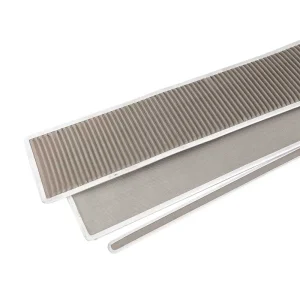
ODM Machinery Solution: Heavy-duty friction washers, multi-stage hot oil/water wash tanks, double-vented degassing extruder, and high-capacity hydraulic double-plate continuous screen mesh filters.
Material Challenge: Polypropylene bottle caps and rigid tubs exhibit different melt flow rates (MFR) and tend to carry high dust loads from crushing.
ODM Machinery Solution: Specialized cap floatation separators, high-shear single screw extruders equipped with custom wire mesh screen packs and water-ring pelletizing die heads.
For large-scale waste management conglomerates and international resin producers, we deliver fully automated turnkey ecosystems engineered for continuous operation.
Industrial washing lines consume significant water volumes. Our macro solutions integrate closed-loop filtration units, flocculation clarification tanks, and automated sludge dewatering presses. Up to 95% of wash water is continuously purified and recirculated back into the dynamic washing line, satisfying stringent municipal environmental regulations worldwide.
Every ODM recycling machine line is integrated with Siemens/Schneider PLC touchscreens and cloud-connected telemetry. Plant operators monitor melt pressure differential across candle filters, motor amperage, temperature zones, and throughput rates in real-time, receiving predictive alerts for filter replacement before pressure spikes occur.
Evaluating key procurement parameters, compliance benchmarks, and Total Cost of Ownership models for global industrial buyers.
When global procurement directors source ODM bottle recycling machinery and melt filtration elements, decisions extend far beyond initial machine purchase price. Leading enterprise buyers execute rigorous evaluation across three core vectors: Regulatory Compliance & Food-Contact Certification, Total Cost of Ownership (TCO), and Engineering Modularity.
Sourcing directly from top-tier Chinese ODM manufacturers reduces initial capital expenditure (CAPEX) by 40–60% compared to Western OEMs. This capital efficiency enables plant managers to invest in higher grade metallurgy (SUS 316L vs SUS 304 melt filter elements) which significantly lowers operational maintenance costs (OPEX) over a 10-year operational lifecycle.
Global deployment requires total local compliance. ODM export machinery must adhere to European CE standards (Directive 2006/42/EC), North American UL/CSA electrical wiring codes, and local pressure vessel certifications (PED/ASME) for hydraulic melt filter housings.
A major operational risk in plastic recycling is continuous filter availability. Partnering with an integrated manufacturer of both recycling machinery and precision polymer candle/leaf disc filter elements guarantees continuous supply of original replacement filter media without supply chain bottlenecks.
Expert responses to critical engineering, procurement, and technical operational queries regarding bottle recycling lines and polymer melt filtration.
Explore our full line of ODM certified melt filter cartridges, leaf disc systems, wire mesh screens, and plastic pelletizing machinery for global industrial exports.