Engineered for high-purity Post-Consumer Resin (PCR) processing and industrial waste stream recovery across the Greater Toronto Area (GTA).
The Greater Toronto Area (GTA)—comprising industrial hubs across Peel Region, York Region, and the City of Toronto—represents North America’s third-largest plastics processing corridor. As the Province of Ontario transitions fully toward an Extended Producer Responsibility (EPR) framework under the Resource Recovery and Circular Economy Act, local plastic processors, packaging converters, and recyclers face unprecedented pressure to upgrade processing infrastructure.
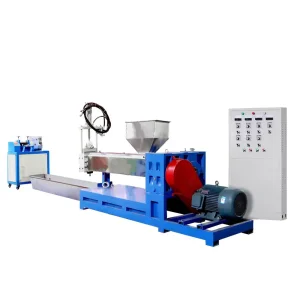
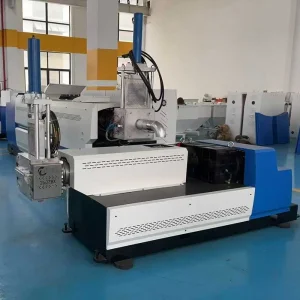
Toronto's manufacturing ecosystem generates substantial quantities of post-industrial flexible films (LDPE/LLDPE), rigid automotive polymers (PP/ABS), and post-consumer PET containers. Traditional linear waste management model yields higher tipping fees and regulatory penalties. Consequently, forward-thinking machinery exporters and local companies are deploying high-efficiency granulating lines, continuous melt filtration systems, and pelletizing technology capable of processing high-contamination waste streams into high-purity recycled pellets.
Recycling post-consumer plastics in Southern Ontario presents unique operational hurdles. Feedstocks often contain variable moisture levels, paper labels, aluminum foil remnants, organic residues, and cross-polymer contamination. Operating standard extrusion equipment without advanced melt filtration leads to frequent nozzle clogging, degradation of Melt Flow Index (MFI), and premature equipment failure.
To deliver competitive Information Gain to Toronto buyers, processing plants must incorporate multi-stage size reduction, high-friction washing units, and continuous melt changers fitted with high-durability SUS304 or SUS316L wire mesh element arrays.
End-to-End System Integration for Maximum Polymer Recovery and Minimum Operational Downtime
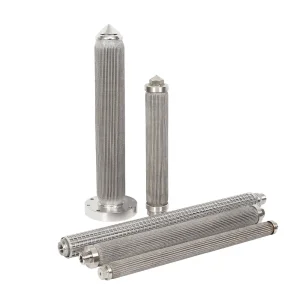
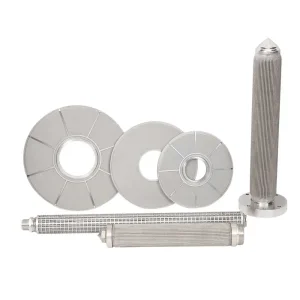
Utilizes multi-layered stainless steel wire mesh cartridges to intercept gel particles and metallic micro-contaminants down to 5 microns during high-temperature extrusion phases.
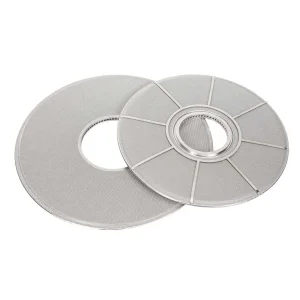
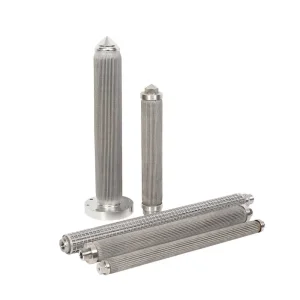
Maximizes filtration surface area within a compact hydraulic housing. Ideal for BOPP, PET, and PE film granulating lines operating in Toronto’s industrial sector.
Ensures uniform melt cutting, consistent pellet geometry, and automated moisture separation, reducing downstream drying energy consumption by up to 35%.
When sourcing plastic recycling machinery, procurement directors in Toronto must balance initial capital expenditure (CAPEX) against long-term operational costs (OPEX). While purchasing locally from Canadian distributors offers local sales support, direct collaboration with established overseas OEM factories provides substantial technological customization and financial leverage.
To successfully integrate international machinery into Ontario operations, Toronto buyers require compliance guarantees (such as CSA C22.2 electrics) and robust technical documentation, ensuring seamless site inspection by local municipal regulators.
Key Innovation Pillars Shaping Toronto's Next-Generation Recycling Facilities
Real-time optical and pressure-drop telemetry automatically adjusts back-flush intervals on continuous screen changers.
Sub-10 micron sintered metallic felt cartridges capable of capturing micro-gel impurities for food-grade rPET production.
Triple-stage vacuum degassing zones remove volatile organic compounds (VOCs) and odor molecules from post-consumer HDPE/PP.
Integrated electromagnetic induction heating barrels cut energy consumption across pelletizing lines by up to 40%.
Importing recycling equipment into Ontario requires strict adherence to regional safety and environmental mandates. Exporters serving the Toronto market must align machine specifications with Canadian standard requirements:
All control panels, motors, and heating elements must feature CSA C22.2 certification or SPE-1000 Field Evaluation labels to satisfy the Ontario Electrical Safety Code (OESC).
High-pressure polymer filter housings operating above 15 PSI undergo rigorous hydrostatic testing and certification in accordance with ASME Section VIII specs.
Expert Answers to Critical Sourcing & Operational Questions for Toronto Plastics Recyclers
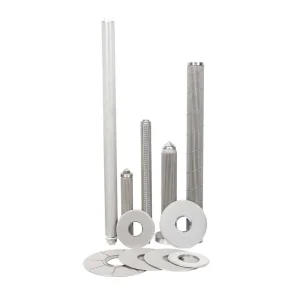
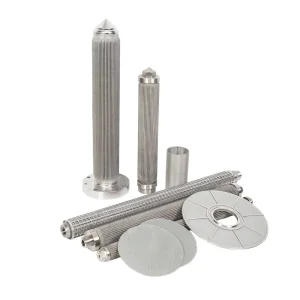
Post-consumer plastics collected in the Greater Toronto Area often contain non-meltable impurities like metals, wood, paper labels, and high-melting-point polymers. High-performance melt filtration (such as candle filters or leaf discs) cleanses the polymer stream before pelletization, preventing strand breakage, protecting downstream molds, and yielding high-value PCR pellets that command premium market prices.
Experienced OEM exporters provide DDP (Delivered Duty Paid) or CIF (Cost, Insurance, Freight) terms to the Port of Montreal or direct Toronto freight terminals. They coordinate with Canadian customs brokers to clear customs under tariff classifications (HS Code 8477.80) while ensuring all electrical control panels meet Ontario Electrical Safety Code requirements.
Candle Filters utilize cylindrical filter elements mounted inside a vertical pressure vessel, providing high dirt-holding capacity and high collapse pressure ratings. They are optimal for high-viscosity resins and fiber extrusion. Leaf Disc Filters feature flat, circular discs stacked on a central hub, maximizing surface area in a compact footprint—ideal for film production lines and continuous screen changers.
While mechanical recycling works best with mono-material streams (e.g., pure PE or pure PP), modern granulating lines equipped with multi-stage degassing barrels and specialized screw designs can process blended polyolefins (PE/PP). For heavily mixed materials, compatibilizing additives and fine melt filtration (below 40 microns) are applied to homogenize the melt and retain mechanical strength.
Browse our extensive lineup of high-precision equipment engineered for global exporters and Toronto industrial buyers.
Connect with our expert engineering team to request customized technical proposals, machine CAD layouts, and factory-direct pricing for your Toronto plant.
Send Inquiry Now