Q
What materials are used to make polymer screen mesh filters?
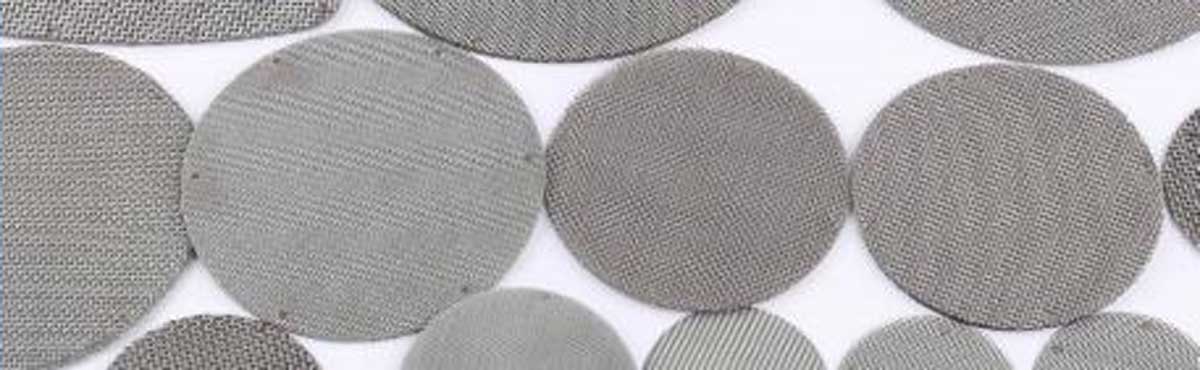
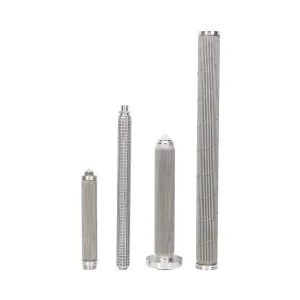
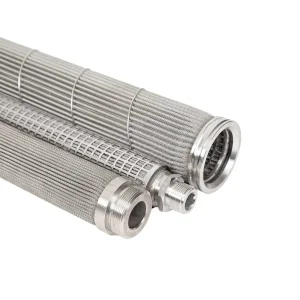
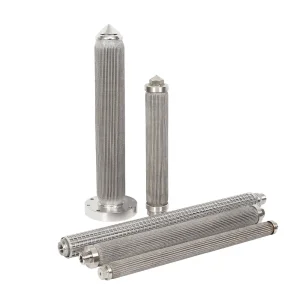
Polymer screen mesh filters are constructed from a variety of metal wires including stainless steel (SUS304, 316L, 904L), nickel, copper, brass, Monel, and Hastelloy wires, depending on the application requirements and working environment.
Q
What is the filtration rating range for polymer extruder screen mesh filters?
The filtration rating typically ranges from 25 to 300 microns (µm), covering a wide spectrum of filtration needs for plastic recycling, extrusion, and other polymer processing applications.
Q
What are the available shapes for polymer screen mesh filters?
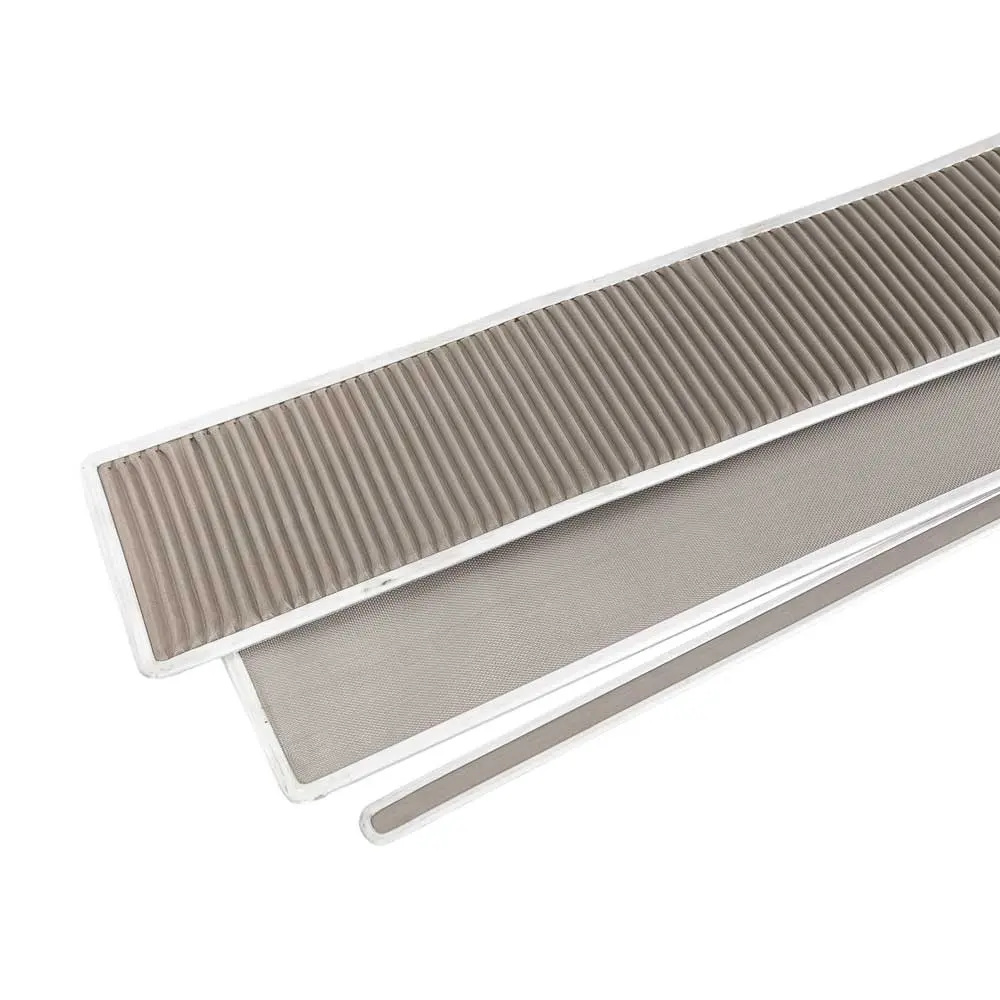
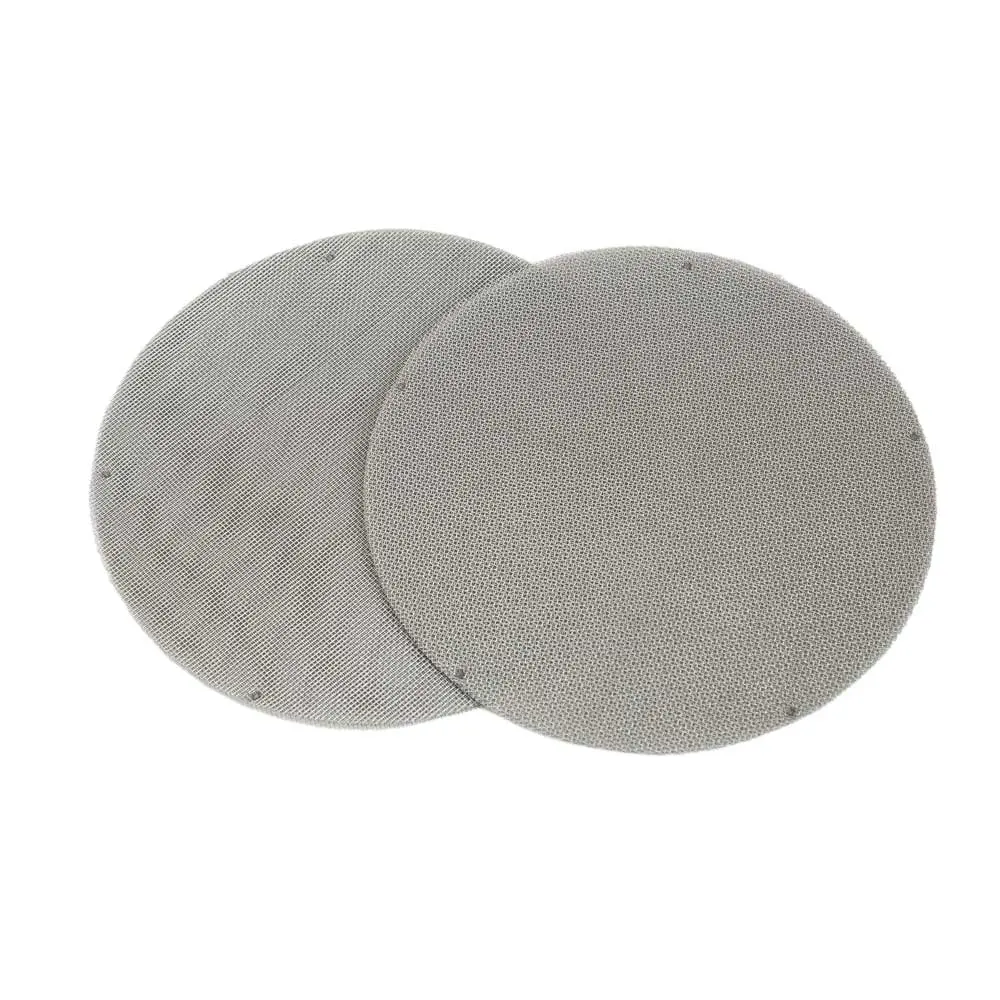
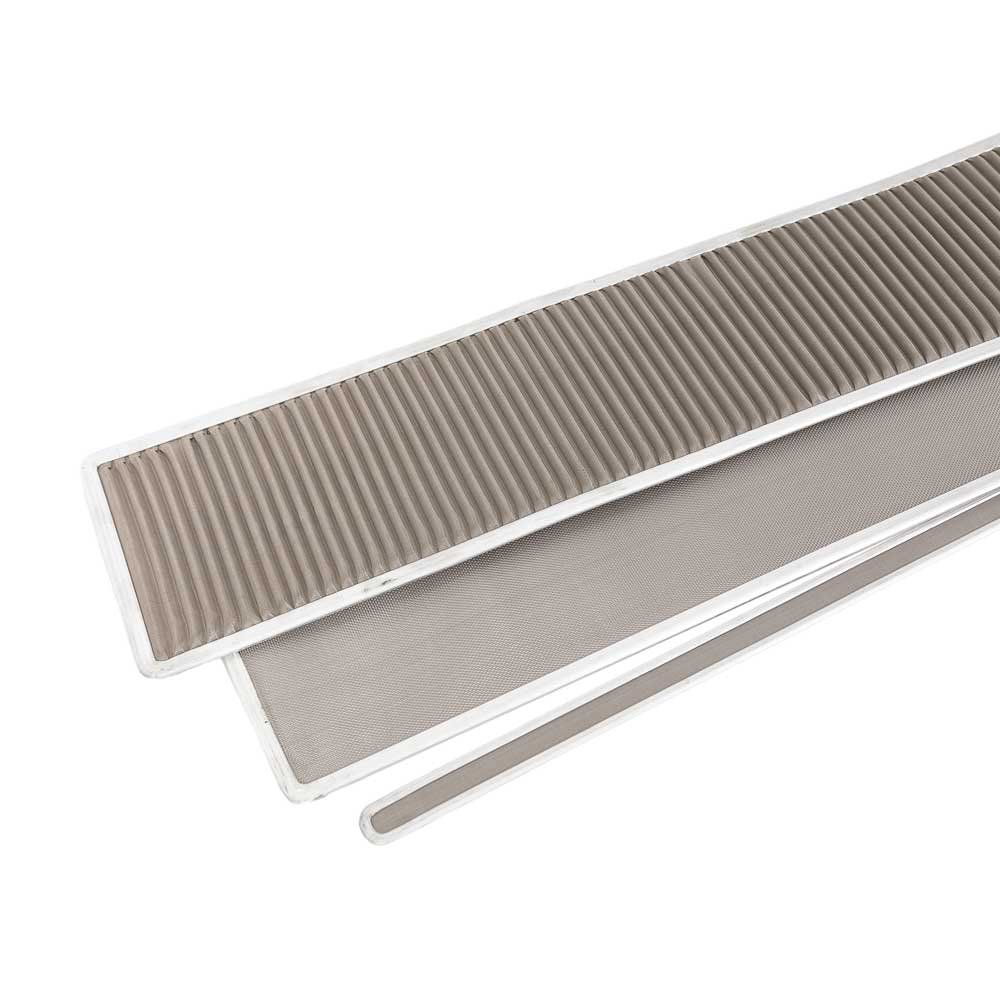
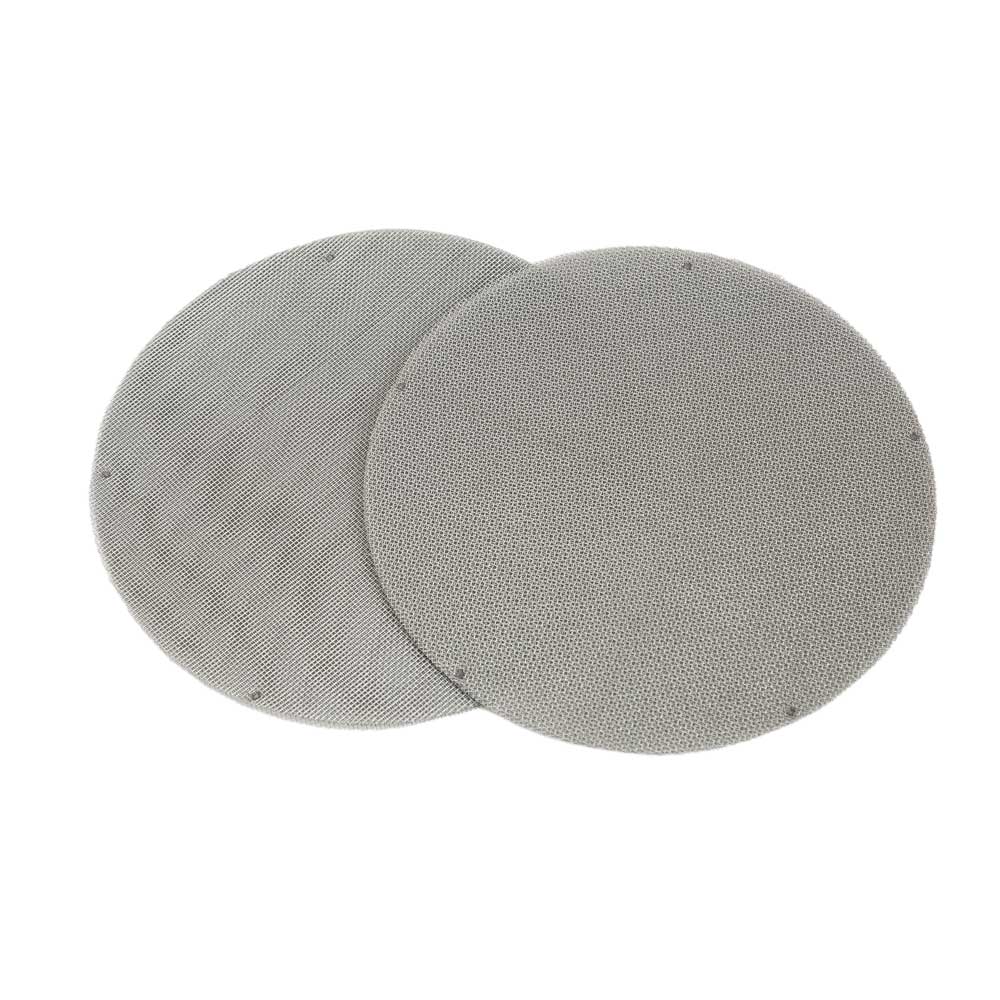
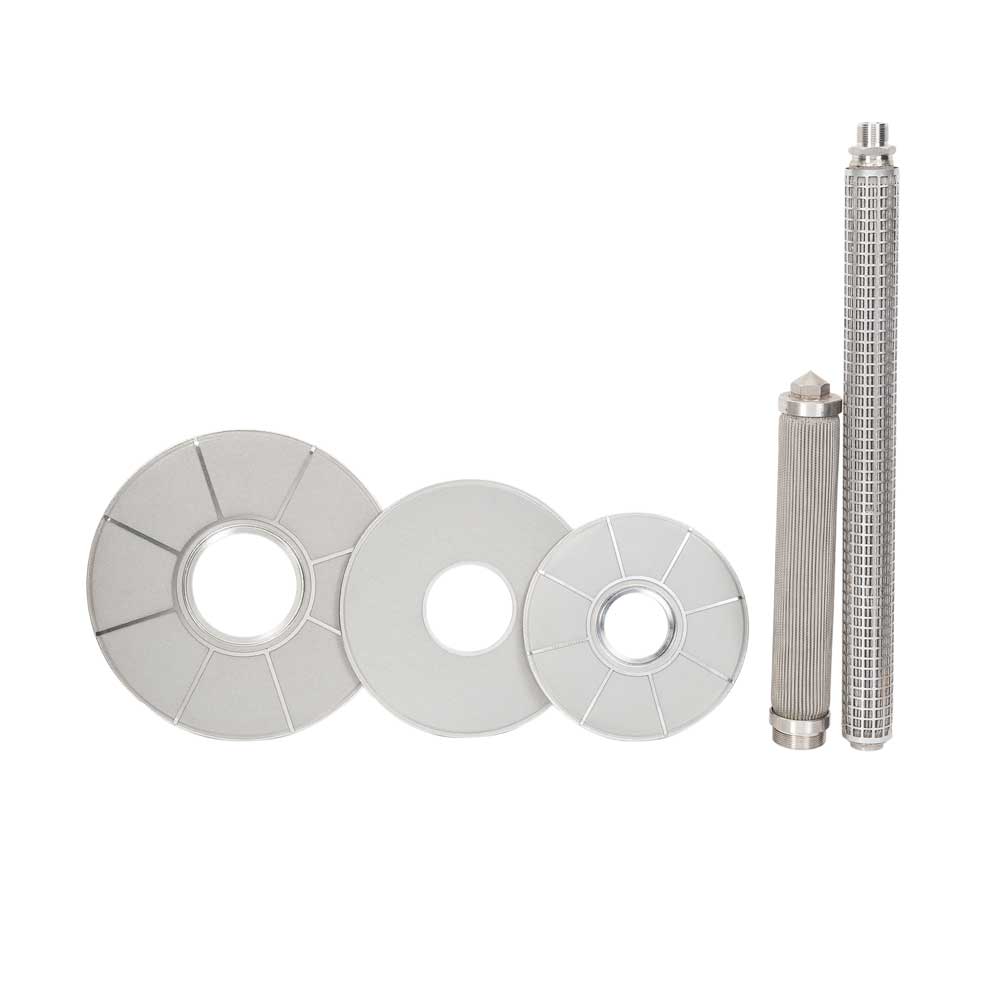
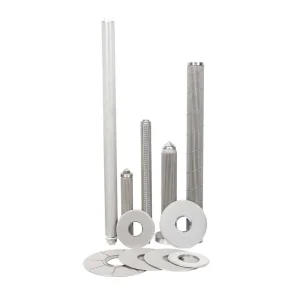
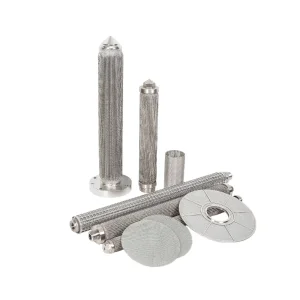
Polymer screen mesh filters are available in multiple shapes including round, oval, square, rectangle, and kidney shape, allowing them to fit a wide range of extruder and filtration equipment configurations.
Q
What is the difference between plain weave and Dutch weave wire mesh filters?
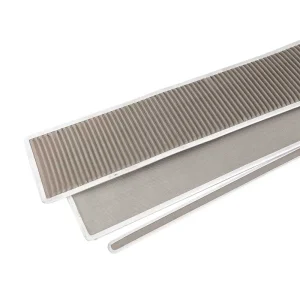
Plain weave wire mesh features a simple structure, is economical to process, and offers high cost-effectiveness, making it suitable for most plastic and rubber filtration needs. Dutch weave wire mesh is designed for fine filtration, offering higher strength, greater load capacity, and a longer service life without requiring a backup filter screen.
Q
What working temperature range can these filters withstand?
These polymer screen mesh filters are designed to operate across an extremely wide temperature range, from -200℃ to 800℃, making them suitable for high-temperature polymer melt filtration as well as cryogenic applications.
Q
Can multi-layer filter screens help stabilize melt flow pressure during extrusion?
Yes. Multi-layer filter screens (such as five-layer stainless steel mesh filters) use a gradually changing pore size structure — from large pores on the outer layer to micro-pores on the inner layer — to sieve material step by step. This design helps stabilize melt flow pressure with fluctuations of less than ±0.5%, effectively reducing broken strips and uneven product weight.