Industry Whitepaper & Technical Sourcing Guide

China PET Flakes Shredder Factories & Advanced Polymer Filtration Systems

An authoritative analysis of high-efficiency size reduction, melt filtration innovations, and supply chain strategies for next-generation rPET processing lines.

Featured Engineering Components

High-Precision Filtration & Recycling Machinery Showcase

Explore our factory-direct stainless steel leaf disc filters, melt candle elements, extruder screen meshes, and complete plastic granulating systems.

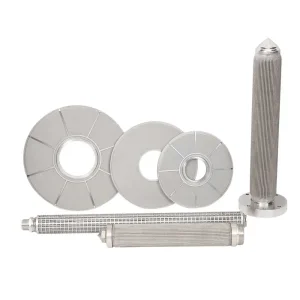
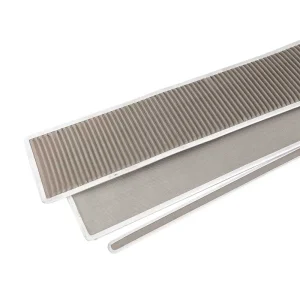
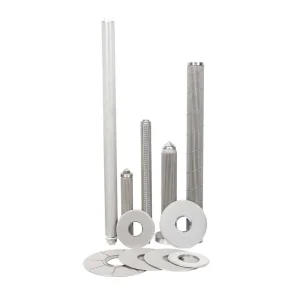
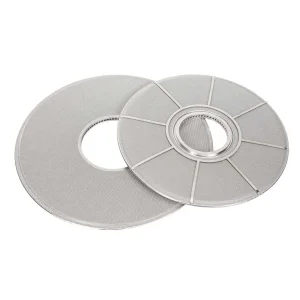
Custom Polymer Leaf Disc Filters for Plastic Film Industry
View Details
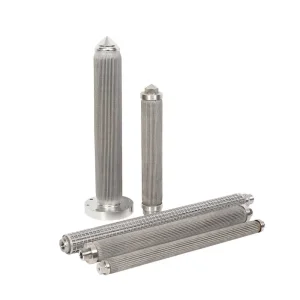
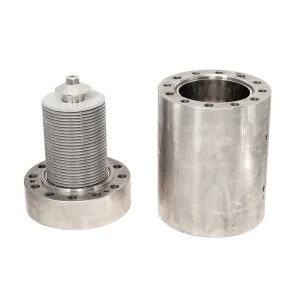
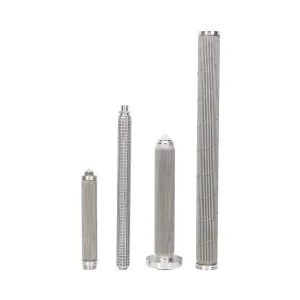
Custom China SUS 304 Polymer Candle Filter Elements
View Details
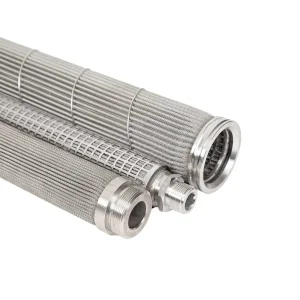
Candle Filter Cartridge for Spunbond Nonwoven Production
View Details
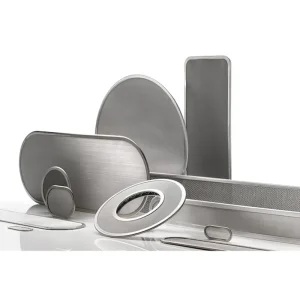
SUS 304/316 Plastic Extrusion Wire Mesh Filter
View Details
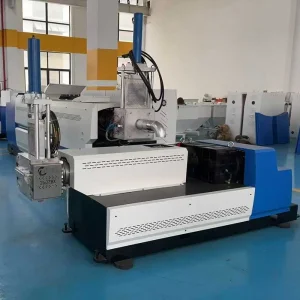
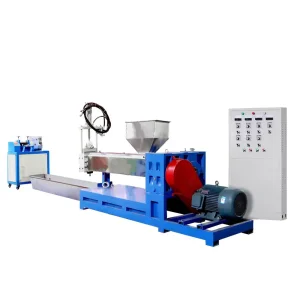
OEM China Plastic and Rubber Recycling Machine
View Details
Polymer Extruder Screen Mesh Filters
View Details
ODM Polymer Candle Filters for Film Production
View Details
Polymer Candle Filter Elements SUS 304 High Viscosity
View Details
Macro Economic & Industrial Scope

The Global PET Circular Economy: Macro Solutions & Technical Imperatives

The global demand for high-purity recycled Polyethylene Terephthalate (rPET) has reached an unprecedented inflection point. Driven by stringent international mandates—such as the European Union’s Single-Use Plastics Directive and global ESG commitments from multinational beverage brands—the industrial focus has shifted decisively toward high-capacity, closed-loop processing systems. At the center of this transformation lies the operational synergy between China PET Flakes Shredder Factories and advanced melt filtration equipment manufacturers.

Mechanical Size Reduction

Optimizing initial shredding geometry ensures uniform flake dimensions (6mm–12mm), minimal dust formation, and balanced bulk density necessary for downstream continuous pneumatic conveying and optical sorting.

Contaminant Mitigation

Combining heavy-duty rotary shredding with multi-stage washing and continuous polymer melt filtration effectively removes PVC label remnants, glue residues, aluminum caps, and sub-micron black specks.

Viscosity Preservation

Preventing thermal and hydrolytic degradation during shredding and melt extrusion safeguards the polymer’s Intrinsic Viscosity (IV), maintaining structural integrity for bottle-to-bottle and filament applications.

Engineering Realities of Bottle-to-Bottle Recyclability

Achieving food-grade rPET approval (such as FDA LNO or EFSA certifications) requires a holistic system architecture. A PET shredder cannot act as an isolated island of equipment; it must be tightly synchronized with continuous hydraulic screen changers, high-density polymer candle filters, and precise temperature-controlled granulating lines. When post-consumer PET bottles are converted into flakes, non-melting contaminants (sand, metals, wood) and cross-polymers (PE/PP closures, EVOH barriers) pose massive operational risks to extrusion nozzles and spinning packs. Modern Chinese manufacturing hubs have responded by offering integrated macro solutions that unify structural shredding, washing, drying, and micro-scale melt purification into a single cohesive engineering matrix.

20+
Years Manufacturing Excellence
80+
Countries & Regions Exported
< 15μm
Ultra-Fine Melt Filtration
1000+
Global Turnkey Projects
Engineering Evolution & R&D

Technical Roadmap: PET Shredder Dynamics & Melt Filtration Innovations

The evolution of PET flake production equipment is defined by mechanical durability, blade metallurgy, dynamic rotor balancing, and seamless integration with filtration media. The technical roadmap below outlines the progression from traditional shredding setups to modern Smart Industry 4.0 recycling hubs.

Performance Dimension Legacy Shredder & Mesh Systems Current High-Efficiency Standards Next-Gen Industry 4.0 Benchmark
Rotor Blade Metallurgy Standard Cr12MoV / Forged Tool Steel SKD-11 / D2 Hardened Steel with Vacuum Heat Treatment Tungsten Carbide Inlaid Knives with Laser Cladding Coating
Drive Mechanism Direct Belt & Fixed-Speed Gearbox Dual-Motor VFD Drive with Automatic Reversing Hydraulics Direct-Drive Permanent Magnet Synchronous Motors (PMSM)
Flake Consistency High fines generation (>8% dust content) Uniform screen sizing (<2.5% fines content) Closed-loop pneumatic sizing with dynamic dust extraction
Polymer Melt Filtration Manual Single-Plate Screen Changers Continuous Dual-Piston Hydraulic Screen Changers Automated Backflush Candle Filters & Leaf Disc Clusters
Filtration Precision 150μm – 250μm coarse filtration 40μm – 80μm fine woven mesh elements 5μm – 20μm 5-layer Sintered SS Felt & Pleated Cartridges
Smart Diagnostics Analog Pressure Gauges PLC Touchscreen with Pressure Transducers AI IoT Predictive Wear Monitoring & Auto-Adjusting Shear Gaps

Advanced Blade Engineering & Shear Force Dynamics

In PET flakes shredding factories, blade wear is the single largest driver of unplanned downtime and operational expenditure. Leading Chinese factories now employ computer-modeled staggered rotor knife arrangements. By balancing shear force distribution across a V-shaped cutting trajectory, energy consumption per ton of shredded PET is reduced by up to 22%. Furthermore, the incorporation of specialized surface treatments prevents localized frictional heating, ensuring that the PET polymer does not cross its glass transition temperature ($T_g \approx 78^\circ\text{C}$) during high-throughput mechanical size reduction.

Micro-Filtration Evolution: Sintered Felt vs. Woven Mesh

Once shredded PET flakes enter the extrudate phase, polymer melt filtration becomes the final safeguard for product quality. Traditional woven wire mesh screen disks are rapidly being supplemented by multi-layer sintered stainless steel wire cloth and 316L sintered metal fibers. These sintered leaf discs and candle filter cartridges provide a porous 3D structure that captures gel particles and microscopic aluminum inclusions without triggering sudden pressure spikes across the hydraulic screen changer.

Manufacturing Excellence

China Factory 4.0: Supply Chain Resilience & Production Scale

China’s manufacturing ecosystem for plastic recycling machinery and polymer filtration components—exemplified by enterprise hubs in Zhejiang Province such as Pujiang HG Plastic Machinery Co., Ltd.—has evolved into a globally competitive power tower. This growth is built upon vertical industrial integration, rigorous quality control, and unparalleled cost-to-performance efficiency.

Vertical Cluster Advantages

From raw SUS 304/316L stainless steel wire drawing to precision CNC rotor machining and vacuum sintering furnaces, the entire supply chain resides within a 50-kilometer radius. This localized ecosystem drastically reduces lead times and logistics overhead.

Precision Manufacturing

Equipped with 5-axis CNC machining centers, automated laser cutting machines, and plasma welding robots, Chinese factories maintain strict manufacturing tolerances ($ \pm 0.005\text{mm} $) on shredder shaft alignments and filter housing seal surfaces.

Rigorous Quality Assurance

Factory Acceptance Testing (FAT) includes ultrasonic non-destructive testing of welds, bubble-point pore size verification for filter elements, dynamic rotor balancing tests, and 72-hour continuous trial runs under full hydraulic load.

Company Benchmark: Pujiang HG Plastic Machinery Co., Ltd.

With more than two decades of dedicated R&D, Pujiang HG Plastic Machinery Co., Ltd. stands as a premier representative of China’s advanced polymer machinery sector. Operating out of Zhejiang Province, the facility specializes in manufacturing high-precision polymer candle filters, leaf disc filter systems, extruder screen mesh cartridges, and complete plastic recycling and granulating machinery.

By leveraging ISO-certified manufacturing protocols and direct international technical support, Pujiang HG Plastic Machinery has successfully exported systems to over 80 countries worldwide. Their engineering capability enables complete OEM and ODM customization—tailoring filter micron ratings (from 5μm to 500μm), structural metallurgy, and shredder knife drive dynamics to meet specific customer requirements.

Commercial & Technical Sourcing

Global Enterprise Procurement Matrix & Specification Guidelines

When global procurement directors and chief technical officers evaluate China PET Flakes Shredder Factories and filter manufacturers, procurement criteria extend beyond simple unit costs. A comprehensive evaluation framework must analyze total cost of ownership (TCO), material traceability, energy efficiency, and operational integration.

Key Mechanical Procurement Checklist

  • Shredder Chamber Construction: Reinforced Q235/Q345 steel housing with replaceable anti-wear liners.
  • Knife Material Traceability: Mill test certificates for D2/SKD-11 tool steel confirming chemical composition and Rockwell hardness (HRC 58-62).
  • Hydraulic Ram Assist: Programmable pusher ram with load-sensing automatic reverse to prevent chamber packing.
  • Bearing Isolation: External outboard bearing pedestals with dust-proof labyrinth seals to prevent particulate contamination.
  • Screen Mesh Replacement: Quick-change hydraulic screen basket drop for rapid mesh changes during maintenance.

Filtration Element Specification Checklist

  • Micron Rating Integrity: Verified pore size distribution (Bubble Point Method per ASTM E128) ensuring absolute vs. nominal filtration ratings.
  • Differential Pressure Tolerance: Cartridges rated for $\Delta P \ge 210\text{ bar}$ structural collapse resistance.
  • Surface Area Optimization: Pleated cylindrical candle geometry providing up to 400% more filtration area than smooth cylinders.
  • Ultrasonic Cleanability: Compatibility with pyrolytic furnace burn-off and TEG (Triethylene Glycol) cleaning systems for up to 10-15 reuse cycles.
  • Alloy Grade: 316L stainless steel standard for chemical fiber and high-temperature polymer melt stability.
Global Operations & Standards

Localization Support, Compliance Standards & After-Sales Framework

Operating global industrial recycling machinery demands swift localized technical support and adherence to regional regulatory frameworks. Leading Chinese suppliers provide comprehensive global service networks designed to mitigate operational risk and optimize production uptime.

International Regulatory Compliance

All PET shredders, pelletizing machinery, and hydraulic filtration systems carry full CE compliance certificates under Machinery Directive 2006/42/EC and Low Voltage Directive 2014/35/EU. Electrical enclosures conform to NEMA 4X / IP65 industrial standards.

Turnkey Installation & Commissioning

Senior field engineers are deployed globally to manage mechanical foundation alignment, electrical wiring verification, hydraulic system purging, and operator training—ensuring a smooth transition to commercial production.

Global Logistics & Spare Parts Hubs

Strategic spare parts stocking programs ensure rapid delivery of critical consumables—such as shredder knives, hydraulic seals, leaf disc filter elements, and extruder screens—minimizing unexpected downtime.

Expert Technical Q&A

Frequently Asked Questions (FAQ) & Technical Troubleshooting

What is the typical lifespan of PET shredder blades, and how can cutting efficiency be maximized?
The operational lifespan of PET shredder knives depends on material grade and contamination levels. Premium D2 / SKD-11 steel blades typically deliver 800 to 1,200 operating hours before requiring re-sharpening. To maximize cutting efficiency and prevent premature dulling, ensure that post-consumer PET bottle bales are pre-screened to remove heavy metallic objects, maintain strict clearance gaps ($0.2\text{mm} - 0.5\text{mm}$) between rotor and bed knives, and utilize VFD-controlled motor drives to prevent torque overload.
How do polymer candle filter elements differ from flat leaf disc filters in PET recycling?
Polymer candle filter elements feature a cylindrical or pleated 3D shape that provides exceptionally high filtration surface area within a compact vertical vessel. They are ideal for high-throughput continuous melt filtration where long on-stream life and high contaminant holding capacity are required. In contrast, flat leaf disc filters offer precise flow distribution and ultra-low internal dead volume, making them the preferred choice for thin plastic film (BOPP, BOPET) and high-tenacity filament extrusion lines.
Why is Intrinsic Viscosity (IV) loss a critical factor during PET flake processing, and how can it be mitigated?
PET is highly susceptible to hydrolytic degradation at elevated temperatures. Excess moisture in PET flakes causes thermal scission of the polymer chains, resulting in lower Intrinsic Viscosity (IV) and reduced tensile strength in finished products. IV drop can be mitigated by installing multi-stage mechanical drying and de-dusting systems directly after shredding and washing, followed by continuous vacuum degassing on the extruder barrel and Solid-State Polymerization (SSP) when high IV bottle-to-bottle grades are required.
What micron rating is recommended for recycled PET bottle-to-bottle pelletizing?
For standard food-grade rPET bottle-to-bottle resin manufacturing, melt filtration precision between 20 to 40 microns is standard. For spunbond nonwoven fabrics or fine textile fiber extrusion, finer filtration (10 to 25 microns) using multi-layer sintered stainless steel felt candle filters is recommended to prevent spinneret hole clogging.
Can Chinese PET recycling machines handle high-contamination post-consumer waste streams?
Yes. Modern heavy-duty shredder lines manufactured in China are specifically designed for post-consumer waste streams containing labels, caps, paper, and dirt. By pairing a high-torque dual-shaft pre-shredder with float-sink separation tanks, hot friction washers, and continuous backflush hydraulic screen changers, Chinese systems efficiently process dirty agricultural film, post-consumer bottles, and industrial plastic scrap into clean, uniform flakes.
What procedures are recommended for cleaning and reusing stainless steel candle filter elements?
Reusable stainless steel filter elements (SUS 304/316L) undergo a multi-step cleaning process: 1) Thermal vacuum calcination or pyrolytic oven heating at controlled temperatures ($450^\circ\text{C}-480^\circ\text{C}$) to burn off polymer residue without damaging metallurgic temper; 2) TEG (Triethylene Glycol) chemical solvent boiling bath; 3) High-pressure ultrasonic solvent wash; 4) Air bubble point integrity verification. When cleaned properly, quality sintered filter elements can be reused up to 10–15 cycles.
Industrial Supply Catalog

Complete Polymer Melt Filtration & Granulating Range

Select from our full catalog of SUS304 polymer candle filter elements, melt cartridges, extruder mesh screens, and plastic pelletizing lines.

High-Quality Polymer Candle Filter Elements SUS 304
View Details
Custom China Plastic Pelletizing Machine Suppliers
View Details
Polymer Extruder Screen Mesh Filters Direct Micron Filtration
View Details
China PP Plastic Pelletizing Machine Suppliers
View Details
Polymer Melt Filter Elements SUS 304
View Details
Candle Filter Cartridge Spunbond Nonwoven Production
View Details
Polymer Candle Filters SUS 304 Elements
View Details
Polymer Candle Filter Chemical Fiber Production
View Details