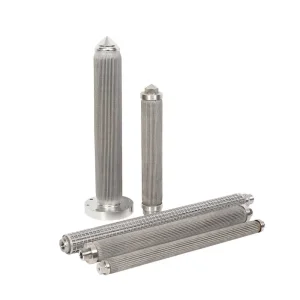
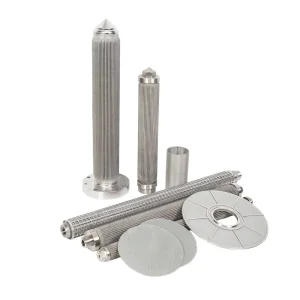
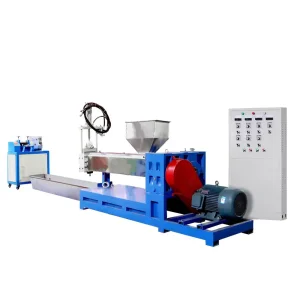
High-performance candle cartridges, stainless wire screen packs, and custom filtration media manufactured in state-of-the-art Chinese ISO-certified facilities.
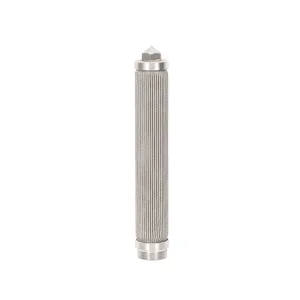
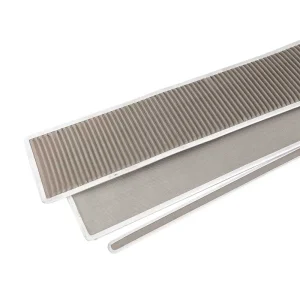
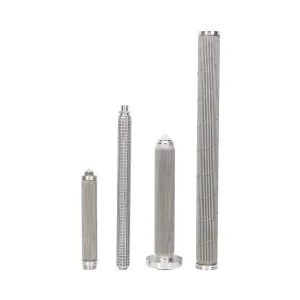
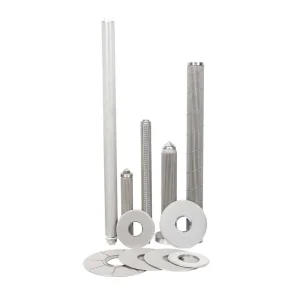
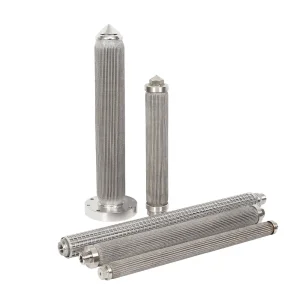
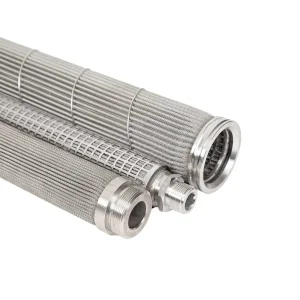
In the contemporary landscape of high-pressure polymer extrusion, chemical fiber spinning, and continuous plastic recycling, the structural integrity and micro-precision of filtration media dictate overall operational efficiency. The term "China Stainless Screen Wire Factories & Factory" has evolved beyond simple geographical manufacturing sourcing; it represents an advanced industrial ecosystem capable of producing ultra-fine wire mesh, vacuum-sintered filter candles, multi-layer leaf discs, and custom extruder screens designed to withstand extreme hydraulic pressures and thermal stress.
As global polymer processors transition toward circular economy initiatives and micro-denier synthetic fiber manufacturing, the demand for precision-engineered stainless screen wire has surged exponentially. Modern extrusion lines operate under severe conditions—often exceeding operating pressures of 300 bar (4,350 psi) and processing molten polymers at temperatures up to 350°C. Under these demanding parameters, any mechanical failure, wire displacement, or inaccurate aperture tolerance in the filter screen results in catastrophic production downtime, equipment abrasion, and downstream product contamination.
This technical whitepaper provides B2B procurement managers, process engineers, and plant operations directors with a comprehensive evaluation framework. We analyze the metallurgical composition, weaving methodologies, quality verification protocols, and global procurement strategies that define world-class Chinese stainless steel screen wire manufacturers, such as Pujiang HG Plastic Machinery Co., Ltd.
The performance of any stainless screen wire assembly relies fundamentally on the chemistry of the raw alloy and the micro-structural precision of the weaving technique. Chinese manufacturing hubs have invested heavily in automated Swiss and German computer-controlled looms, enabling absolute consistency in wire diameter and mesh opening tolerances.
Stainless screen wire elements operate in highly corrosive chemical environments and elevated thermal zones. Selecting the appropriate stainless steel grade is paramount to preventing intergranular corrosion, stress corrosion cracking, and thermal fatigue:
| Alloy Grade | Chromium (%) | Nickel (%) | Molybdenum (%) | Max Temp (°C) | Primary Application Area |
|---|---|---|---|---|---|
| SUS 304 | 18.0 - 20.0 | 8.0 - 10.5 | - | 600°C | Standard Polyolefin Extrusion & Wire Screen Packs |
| SUS 316L | 16.0 - 18.0 | 10.0 - 14.0 | 2.0 - 3.0 | 750°C | High-Viscosity CPF Candle Filters & BOPP Film Lines |
| SUS 904L | 19.0 - 23.0 | 23.0 - 28.0 | 4.0 - 5.0 | 850°C | Aggressive Chemical Fibers & Fluoropolymer Processing |
| Inconel 600/625 | 14.0 - 23.0 | > 58.0 | 8.0 - 10.0 | 1000°C | Extreme Thermal & Corrosive Polymer Syntheses |
The structural layout of wires determines not only the absolute particle retention size (micron rating) but also the mechanical strength, hydraulic permeability, and cleanability of the screen. Chinese screen wire factories specialize in five primary weaving patterns:
Over-and-under pattern with equal wire diameter in warp and shute. Features high flow area, low initial pressure drop, and straightforward backwashing characteristics.
Each shute wire passes alternately over two and under two warp wires. Allows heavy gauge wires for fine mesh counts, offering augmented strength under severe torque.
Combines Dutch weave density with Twill weaving. Produces an ultra-dense, wedge-shaped pore structure capable of fine surface and depth filtration down to 3 microns.
International procurement executives and supply chain strategists face complex choices when selecting manufacturing partners in China. To minimize supply risk and ensure consistent component quality, enterprise buyers must audit potential suppliers against rigorous engineering and business criteria.
Purchasing cheap, low-grade filter mesh increases the risk of wire breakage, particle bypass, and frequent screen changes. High-precision screen wire from top-tier Chinese factories reduces line stop frequencies by up to 35%, yielding significantly lower TCO despite nominal unit price variations.
Precision stainless steel screen wire products are deployed across diverse process industries, each with unique shear-rate, temperature, and contaminant retention specifications.
Post-consumer resin (PCR) and industrial plastic scrap recycling require robust screen packs to filter out aluminum flecks, wood fiber, and degraded polymer gels. Automatic ribbon continuous screen changers rely on high-tensile reverse Dutch weave belt mesh to maintain uninterrupted production.
Optical-grade film lines require high-surface-area leaf disc filters and cylindrical continuous polymer filter (CPF) candles. The mesh media must maintain uniform flow distribution to prevent pinholes, haze, or gel defects in sub-micron thickness films.
In polyester, polyamide, and polypropylene fiber extrusion, multi-layer sintered mesh candles remove particulate down to 5 microns, safeguarding delicate spinneret orifices from clogging and preventing thread breakage during high-speed drawing.
Establishing absolute trust in international trade requires compliance with global standardizations and seamless logistics engineering. Premium Chinese screen wire factories adhere to rigorous testing frameworks to guarantee component integrity prior to export:
Furthermore, leading exporters provide localized support mechanisms including rapid OEM prototyping, custom stocking agreements for high-volume processors, DDP (Delivered Duty Paid) logistics services, and on-site engineering consultations to troubleshoot pressure differential anomalies in complex melt systems.
As the polymer processing sector advances toward higher automation, energy efficiency, and recycled resin usage, stainless screen wire technology is undergoing continuous innovation. Key technological vectors shaping the next decade include:
Automated inline machine-vision systems inspecting 100% of manufactured screen cloth for micro-defects, broken wires, or weave distortion at linear speeds up to 50 meters per minute.
Deposition of non-stick, low-friction ceramic or diamond-like carbon (DLC) nano-coatings onto wire surfaces to reduce polymer melt degradation, lower friction factors, and enhance thermal cleaning performance.
Development of heavy-duty composite multi-layer wire packs engineered specifically for extreme dirt holding capacity in heavily contaminated ocean plastic and agricultural film recycling streams.
Expert responses to critical technical queries regarding stainless screen wire specification, factory selection, and polymer filtration troubleshooting.
Explore our complete collection of OEM/ODM polymer candle filters, extruder screen mesh elements, and plastic recycling machinery solutions.