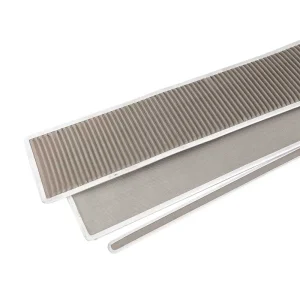
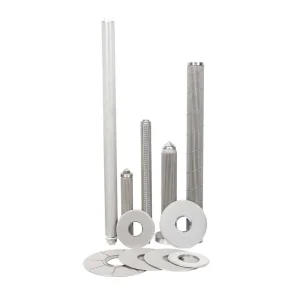
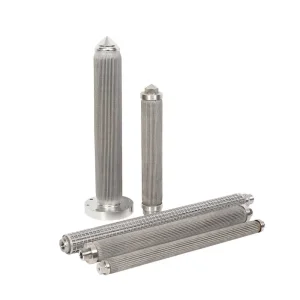
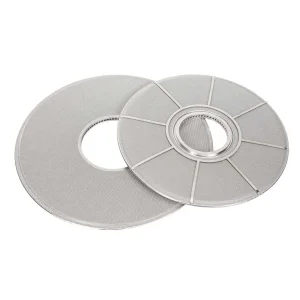
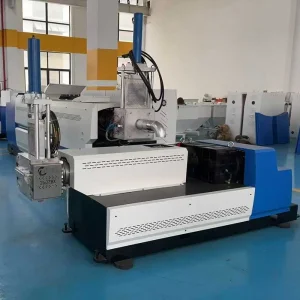
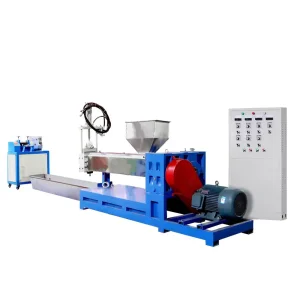
Explore our primary machinery portfolio engineered for polymer melt filtration, filament scrap size reduction, and continuous pelletizing lines.
In the era of advanced additive manufacturing, synthetic fiber production, and high-performance thermoplastic processing, industrial waste stream management has evolved from a secondary operational consideration into a core determinant of enterprise profitability and Environmental, Social, and Governance (ESG) compliance. Thermoplastic filaments—ranging from standard polylactic acid (PLA) and acrylonitrile butadiene styrene (ABS) to engineering-grade polyether ether ketone (PEEK), carbon-fiber-reinforced polymers (CFRP), and continuous synthetic monofilaments—present unique mechanical challenges during recycling.
Unlike bulk rigid plastic parts or thin packaging films, synthetic filaments exhibit exceptionally high tensile strength along their longitudinal axis, high elasticity, and a severe tendency to wrap around conventional single-shaft rotating cutters. When untangled purge bundles, spool off-cuts, or continuous extrusion draw-downs are introduced into standard granulators, catastrophic rotor jamming, thermal degradation from frictional binding, and instantaneous drive-motor overloads frequently occur. Consequently, global enterprise buyers are shifting procurement strategies toward specialized Custom Filament Shredder Suppliers & Companies capable of engineering heavy-duty, high-torque, non-wrapping shredding machinery tailored to specific resin chemistries and filament geometries.
Global procurement teams must evaluate suppliers not merely on nominal horsepower, but on cutter geometry, blade metallurgical hardness, anti-wrapping shaft architectures, and seamless integration with downstream granulators, melt pumps, and screen changers. The modern enterprise requirement demands a turn-key solution: transforming tangled, high-tensile filament waste into uniform, high-density regrind chips optimized for re-extrusion.
Engineering a custom filament shredder requires solving the fundamental physical challenge of cutting high-tensile, flexible polymers without experiencing shaft binding or thermal melting. Standard single-shaft shredders rely on high-speed cutting action that generates excessive frictional heat. For temperature-sensitive thermoplastics like PLA or low-melting-point elastomers (TPU), this heat causes the polymer to soften, smear, and form solid molten masses inside the cutting chamber.
Custom filament shredder systems manufactured by industrial leaders utilize heavy-duty dual-shaft or quad-shaft counter-rotating cutting geometry. The shafts rotate at low differential speeds (e.g., 15 to 35 RPM) with high torque density. Hooked rotary blades grab long filament strands, pulling them into intermeshing counter-blades where positive scissor-shearing occurs.
Engineered with specialized stripper plates and serrated hook profiles that dynamically break continuous strand loops, preventing long filaments from coiling around the rotor shaft.
Blades fabricated from D2 (1.2379) cold-work steel, SKD-11, or Tungsten Carbide clad alloys, vacuum heat-treated to 58-62 HRC to resist abrasive glass/carbon fiber reinforcement fill.
Integrated Siemens S7-1500 PLC monitoring current draw. Instantaneous current spikes trigger microsecond shaft reversal to clear overfed filament nests automatically.
| Performance Parameter | Standard Plastics Shredder | Pujiang HG Custom Filament Shredder | Enterprise Operational Advantage |
|---|---|---|---|
| Rotor Architecture | Single Shaft / High Speed (100-300 RPM) | Dual-Shaft Counter-Rotating Low Speed (15-30 RPM) | Eliminates filament shaft wrapping and thermal smearing |
| Torque Output | Standard Mechanical Drive (2,500 Nm) | High-Torque Planetary Reducer (8,500 - 15,000 Nm) | Shreds solid purge blocks and bundled high-tensile monofilaments |
| Blade Material | Cr12MoV Standard Steel | Forged D2 / Tungsten Carbide Coated Tool Steel | 5x operational lifespan when processing carbon fiber filled filament |
| Thermal Control | Air Cooled Ambient | Dual Water-Cooled Shaft & Chamber Jacket (Optional) | Prevents low-TG polymers (PLA/TPU) from reaching softening point |
| Screen Classification | Fixed Hole Punch Mesh | Interchangeable Hexagonal Sieve (4mm - 12mm) | Produces uniform chip size distribution for direct extruder feeding |
As manufacturing enterprises adopt Industry 4.0 standards and transition toward circular economy frameworks, the technological trajectory of filament shredding and polymer reclamation is undergoing rapid innovation. Pujiang HG Plastic Machinery Co., Ltd. is pioneering next-generation size reduction technology aligned with the following three-phase industrial roadmap:
Integration of IoT vibration analysis, acoustic emission monitoring, and adaptive torque control algorithms. Real-time predictive maintenance alerts operators to blade wear before chip quality degrades or particle size variance exceeds tolerance.
Compact, ultra-quiet, cleanroom-compatible filament shredder-granulator units designed for direct integration alongside large-scale 3D printing farms (BAAM - Big Area Additive Manufacturing). Automated vacuum conveying transfers shredded chips directly to melt re-extruders.
Advanced cryogenic conditioning chambers paired with custom shredder cutters engineered for ultra-high-temperature polymers (PEEK, PEI Ultem, PPSU, Fluoropolymers). Enables 100% material recovery of high-value aerospace-grade composite filaments without thermal degradation.
A custom filament shredder does not operate in isolation; its true value is unlocked when integrated seamlessly into a turnkey industrial recycling and re-granulation line. For over two decades, Pujiang HG Plastic Machinery Co., Ltd. has specialized in building end-to-end polymer reclamation ecosystems that connect high-torque shredders directly with precision melt filtration and pelletizing systems.
Tangled monofilament bundles, purge masses, and defective spools are fed into the Custom Filament Shredder. Low-speed dual shafts shear material into 10–20mm coarse flakes without thermal overheating.
Coarse flakes pass via magnetic belt separator into a high-speed precision granulator, reducing chip dimensions down to a uniform 3–6mm regrind particle size optimized for extruder throat feeding.
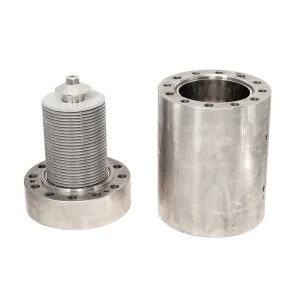
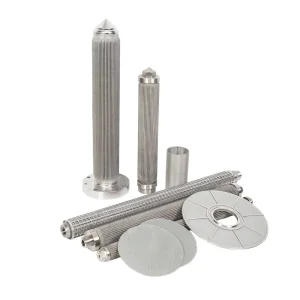
Regrind is fed into a single/twin-screw extruder. The polymer melt passes through Pujiang HG Polymer Candle Filters or Leaf Disc Filters, capturing micro-contaminants down to 5 microns.
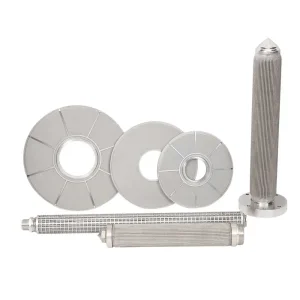
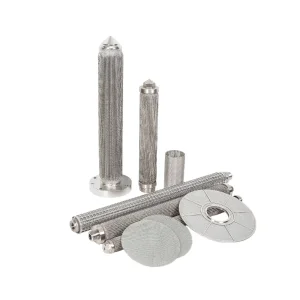
By linking high-torque shredding with high-efficiency melt filtration—such as Pujiang HG's proprietary stainless steel candle filter elements and screen mesh filters—manufacturers achieve optical-grade clarity and mechanical properties in their recycled pellets comparable to virgin resin stocks.
Industrial procurement demand for custom filament shredder suppliers varies across global economic corridors. Understanding regional regulatory frameworks and operational preferences allows global enterprises to specify machinery tailored to local plant requirements:
Focus on high throughput, heavy-duty build standards (ANSI/UL compliance), NFPA explosion protection for fine polymer dust, and seamless integration with NEMA-rated motor control centers. Preferred for automotive additive manufacturing and defense composite prototyping.
Strict emphasis on CE conformity, EN ISO 13849-1 safety circuit architecture, ATEX certification for dust hazard zones, and low acoustic decibel ratings (< 78 dBA). Driven by EU circular economy directives mandating 30%+ post-industrial recycled content.
High demand for versatile, cost-effective turnkey lines capable of handling diverse feedstock—from PET/PA monofilament spinning waste to BOPP film trim. Requirements center on robust mechanical reliability, low energy consumption per kg, and rapid wear-part availability.
Investing in a custom industrial filament shredder from a direct manufacturer like Pujiang HG provides a clear capital payback period, typically achieved within 6 to 14 months depending on facility throughput.
| Financial Component | Without On-Site Custom Shredding | With Pujiang HG Integrated Shredding System | Annual Enterprise Savings |
|---|---|---|---|
| Filament Scrap Disposal Fee | $180 / Ton (Hazardous/Off-site Haulage) | $0 (In-house Reprocessing) | $54,000 (Based on 300 Tons/Yr) |
| Virgin Resin Purchase Requirements | 100% Virgin Feedstock Rate ($2,800/Ton avg) | 70% Virgin + 30% Recycled Regrind | $252,000 Saved on Virgin Polymer |
| Energy Consumption per Ton | High (Multiple Off-site Transport Cycles) | 0.18 kWh / kg Shredder Power Efficiency | Reduced Carbon Footprint Offset |
| Net Enterprise Financial ROI | Negative Asset Cost Center | Payback Achieved in 8.4 Months | +$306,000 / Year Net Gain |
Demonstrating top-tier Experience, Expertise, Authoritativeness, and Trustworthiness (E-E-A-T), Pujiang HG Plastic Machinery Co., Ltd. stands as a premier manufacturer with over two decades of dedicated R&D in polymer machinery, melt filtration elements, and plastic recycling equipment. Situated in Zhejiang Province, China, our 20,000+ square meter state-of-the-art facility houses advanced CNC machining centers, vacuum sintering furnaces, and laser precision cutting suites.
Every custom filament shredder and filter element undergoes rigorous quality control inspections, including hydrostatic pressure testing, dynamic rotor balancing, and metallurgical hardness verification.
Tailored engineering services to meet exact client CAD specifications—custom hopper configurations, specialized cutter shaft spacing, voltage adaptations (200V-600V), and localized PLC language interfaces.
Exporting to 80+ countries across North America, Europe, Southeast Asia, and the Middle East. Comprehensive spare-parts inventory and fast-response technical engineering assistance globally.
Standard granulators rely on high-speed rotational impact cutters that lack shear capture geometry for thin, continuous filaments. Flexible monofilaments slip between blade gaps, wrap tightly around the main rotor shaft, build up extreme frictional heat, melt the polymer, and cause catastrophic drive motor stalling. A Custom Filament Shredder uses low-speed, high-torque dual-shaft counter-rotating shears with anti-wrapping stripper plates designed specifically to cut continuous high-tensile strands cleanly without melting.
Yes. Pujiang HG engineers custom filament shredder cutters using high-alloy steel formulations such as D2 (1.2379) or SKD-11, heat-treated to 58-62 HRC. For extreme high-percentage abrasive fills (e.g., 30%+ short carbon fiber or glass micro-beads), we apply specialized Tungsten Carbide or TiN surface coatings to cutter edges, increasing blade operational life up to 500% compared to standard carbon steel tooling.
When shredded filament regrind is re-introduced into an extrusion line, micro-contaminants, ambient dust, or degraded gel particles can cause strand breaks in high-speed spooling. By placing Pujiang HG Stainless Steel Candle Filters or Leaf Disc Filters downstream of the melt pump, particles down to 5–20 microns are trapped, guaranteeing that re-pelletized resin or newly extruded filament maintains prime tensile strength and surface finish.
We offer comprehensive OEM/ODM customization including: custom feed hopper designs for manual or conveyor feeding, soundproofing enclosures reducing noise below 75 dBA, liquid-nitrogen cryogenic cooling ports for elastomeric TPU shredding, custom sieve sizes (3mm to 15mm), pneumatic blower vacuum discharge systems, and smart PLC integration matching plant SCADA protocols.
Buyers can contact Pujiang HG Plastic Machinery Co., Ltd. directly via our technical inquiry portal. We provide complimentary material trial testing—send us your filament scrap samples, and our engineering lab will provide a full trial report, video footage, chip particle breakdown analysis, and a tailored machinery recommendation.
Complete your recycling and extrusion loop with high-precision stainless steel filter elements, leaf disc filters, and extruder screen packs from Pujiang HG.