In the contemporary industrial manufacturing ecosystem, managing elastomeric waste—ranging from off-specification rubber compounds, post-industrial scrap, and Off-The-Road (OTR) tires to synthetic polymer residues—represents both a major environmental challenge and a high-yield commercial opportunity. Modern global manufacturing protocols demand that processing facilities shift from basic waste disposal toward closed-loop circular systems. At the forefront of this industrial transformation is the strategic deployment of heavy-duty, Custom Rubber Shredder Machines combined with precision Polymer Melt Filtration Infrastructure.
Industrial rubber products, such as EPDM gaskets, natural rubber conveyer belts, fluoroelastomers (FKM), and styrene-butadiene rubber (SBR) components, exhibit high elasticity, tensile strength, and thermal resistance. Converting these rugged elastomers into uniform, high-purity recycled feedstocks requires sophisticated machinery engineered specifically to withstand extreme mechanical shear forces, minimize thermal degradation, and ensure ultra-fine contaminant separation.
Regulatory frameworks such as the EU Circular Economy Action Plan, US EPA Recycled Content Directives, and China’s 14th Five-Year Plan for Resource Utilization strictly enforce recycled elastomer incorporation across automotive, construction, and consumer goods manufacturing.
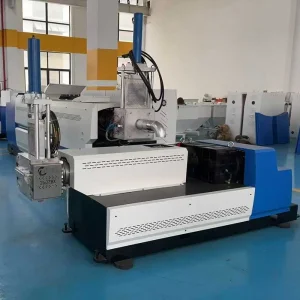
Custom industrial rubber shredders utilize multi-axis, low-RPM, high-torque cutting shafts. These systems deliver up to 120,000 Nm of torsional force to shear vulcanized rubber and embedded steel belting cleanly without inducing polymer heat-degradation.
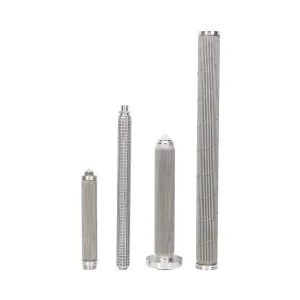
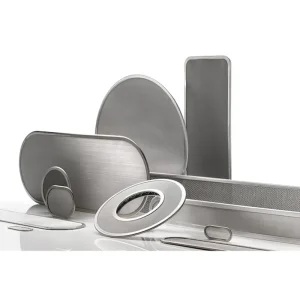
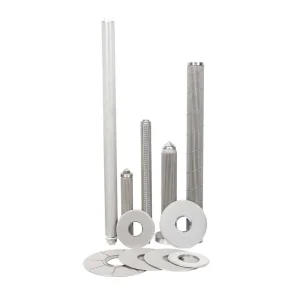
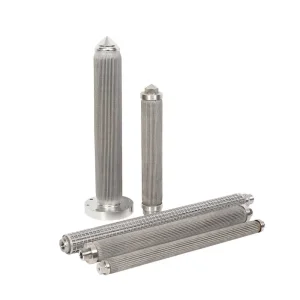
Size reduction is only half the battle. Reclaiming rubber and thermoplastic elastomers (TPE/TPV) for high-value extrusion demands seamless integration with multi-layer SUS 304/316 candle filters and continuous screen changers to trap sub-micron impurities.
Custom rubber shredders engineered by top factories utilize forged alloy blades crafted from AISI D2, SKD-11, or specialized Tungsten Carbide cladded tool steel. The rotor teeth feature customized hook profiles and staggering angles to bite into elastic rubber without slippage. Precision machining guarantees tight clearance (down to 0.15 mm) between stationary counter-knives and rotating cutters, maximizing scissor-shear efficiency.
Integrated intelligent hydraulic force-feeders push bulky rubber block, scrap tires, or dense extruded purgings directly against the cutting rotor. PLC-controlled variable frequency drives (VFD) continuously monitor current draw; if overload conditions occur due to un-shredded steel cord or oversized blocks, the intelligent control system reverses rotor rotation within milliseconds, preventing shaft fracture and mechanical jam.
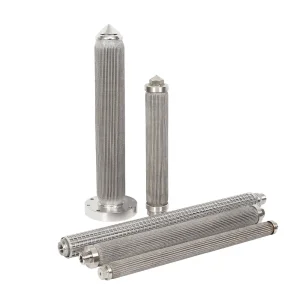
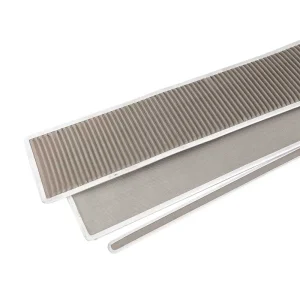
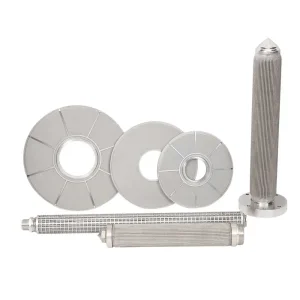
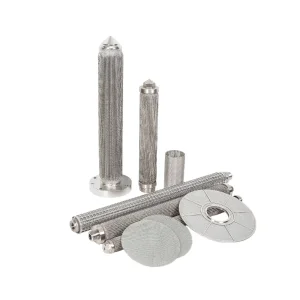
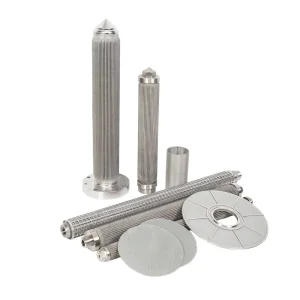
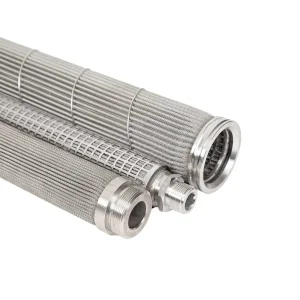
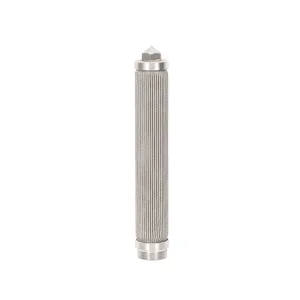
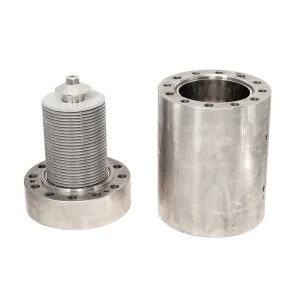
Once rubber or plastic waste is shredded and re-extruded, high-viscosity polymer melts require advanced purification. Custom SUS 304/316 candle filter cartridges—featuring pleated stainless steel wire mesh or multi-layer sintered metal fiber felt—provide extended surface areas up to 300% larger than traditional flat disc screens, allowing continuous operation at pressures up to 320 bar and temperatures exceeding 350°C.
The following performance breakdown highlights the operational differences across various industrial rubber shredding models and their associated melt filtration requirements:
| Equipment Category | Drive Power Range | Primary Blade Alloy | Throughput Capacity | Integrated Filter Type | Target Output Material |
|---|---|---|---|---|---|
| Single-Shaft Precision Rubber Shredder | 37 kW - 160 kW | AISI D2 / SKD-11 Tool Steel | 800 - 3,500 kg/h | SUS 304 Screen Mesh Filter | 15-30 mm Rubber Flakes / Granules |
| Dual-Shaft Heavy Duty Tire Shredder | 75 kW - 315 kW | H13 Hardened / Tungsten Clad | 2,000 - 10,000 kg/h | Coarse Continuous Screen Changer | 50-100 mm Shredded Shred / TDF Fuel |
| High-Viscosity Melt Granulating System | 55 kW - 220 kW | Bimetallic Nitrided Screws | 500 - 2,200 kg/h | SUS 316L Pleated Candle Filter Element | High-Purity Re-granulated Polymer Pellets |
| Ultra-Fine Rubber Pulverizer & Purifier | 45 kW - 110 kW | High-Cr Special Alloy Steel | 300 - 1,200 kg/h | Multi-Layer Sintered Leaf Disc Filter | 40-100 Mesh Fine Rubber Powder |
Processing scrap passenger car tires and massive mining OTR tires demands primary heavy dual-shaft shredding. The shredded rubber is stripped of steel wire and textile fibers, converted into clean crumb rubber, and re-used in molded rubber goods, asphalt modification, or acoustic insulation underlayments.
During the recycling and devulcanization of synthetic elastomeric compounds (such as EPDM, NBR, and Silicone), high melt viscosity creates tremendous back-pressure inside extruders. SUS 304/316 candle filters ensure continuous melt flow while filtering out ungelled elastomers and micro-particulates.
Film orientation processes (BOPP, BOPET, BOPA) cannot tolerate contamination down to tiny micron scales, which causes film rupture. OEM custom pleated polymer filter elements remove carbonized specs and micro-gels, optimizing production line operational efficiency.
In polyester (PET) and polyamide (PA66) synthetic fiber spinning, high-viscosity polymer candle filters protect spinnerets from clogging. Maintaining uniform pressure drop (ΔP) extends spinneret pack lifespan and ensures uniform fiber denier tensile strength.
All custom rubber shredders and high-viscosity melt filtration units manufactured by Pujiang HG Plastic Machinery Co., Ltd. conform strictly to ISO 9001:2015 quality management systems and European CE Safety Directives (2006/42/EC). Electrical systems utilize Siemens, Schneider, or ABB components certified for UL and CSA standards.
Stainless steel candle filter cartridges and leaf disc elements undergo comprehensive bubble-point testing (ISO 4003), hydraulic collapse pressure testing (ISO 2941), and ultrasonic weld inspection to ensure zero bypass leakage under extreme operating conditions up to 32 Mpa.
With an established export footprint across North America, Europe, Southeast Asia, and the Middle East, our technical services encompass turnkey system design, rapid spare parts fulfillment (blades, filter screens, hydraulic seals), and localized installation assistance.
Next-generation rubber shredders are incorporating IoT sensor arrays measuring real-time bearing thermal signatures, hydraulic oil particulate counts, and rotor blade vibration profiles. Machine-learning algorithms predict cutter dulling and schedule maintenance proactively, eliminating unscheduled downtime.
To support non-stop 24/7 extrusion lines, future polymer melt filtration systems utilize automated dual-piston or multi-candle backwash designs. When pressure differential (ΔP) reaches pre-set thresholds, a minor stream of purified polymer automatically backflushes dirty candle elements without interrupting line throughput.
Innovations in continuous twin-screw thermomechanical devulcanization using supercritical fluids allow scrap rubber to be converted back into re-vulcanizable virgin-like elastomer matrixes. Integrating ultra-fine SUS 316 filter cartridges directly downstream guarantees zero metallic or grit contaminants in the final devulcanized compound.