Industry White-Paper & Technology Benchmark

High-Quality Pelletizing Machine For Plastic Recycling Suppliers & Companies

Next-Generation Melt Filtration, Smart Extrusion Architecture, and Circular Economy Solutions for Global Polymer Recyclers & Compounding Enterprises.

Primary Equipment Showcase

Featured Plastic Recycling & Polymer Melt Filtration Systems

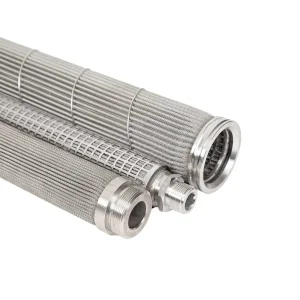
Explore our top-tier pelletizing machinery, stainless steel continuous screen changers, candle filter cartridges, and leaf disc systems tailored for post-consumer and post-industrial recycling lines.
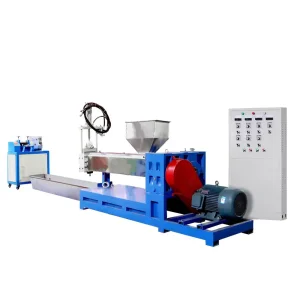
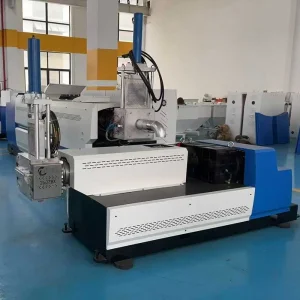
High-Quality China Plastic Pelletizing Machine Suppliers
High-Quality China Plastic Pelletizing Machine Suppliers - High-Quality Recycling Factory for ABS, PE, PA, PP and More Suppliers, Company
View Details
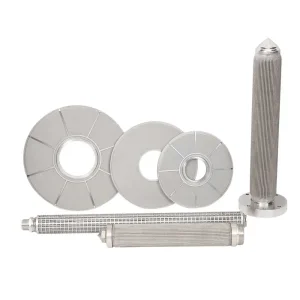
Candle Filter Cartridge for Polymer Processing
High-Quality Candle Filter Cartridge and Elements for Polymer Processing - China Suppliers and Factory Exporter, Companies
View Details
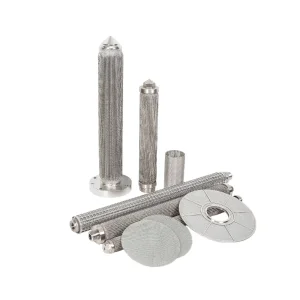
Famous Candle Filter Cartridge for Polymer Melt
Famous Candle Filter Cartridge for Polymer Melt in Spunbond Nonwoven Production | China Suppliers & Factory Manufacturer, Company
View Details
Candle Filter Cartridge in Spunbond Nonwoven
High-Quality China Suppliers Factory for Candle Filter Cartridge in Spunbond Nonwoven Applications Manufacturers, Companies
View Details
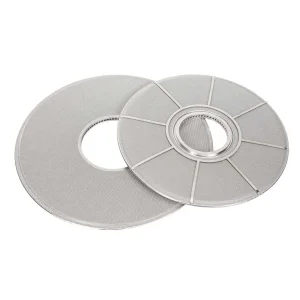
OEM Polymer Leaf Disc Filters
OEM Polymer Leaf Disc Filters from China Suppliers | High-Quality Filtration for Plastic Film Factory Manufacturer, Factory
View Details
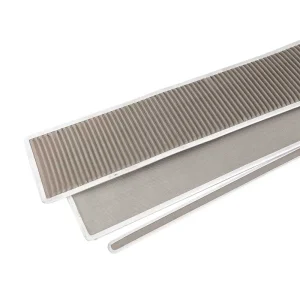
Polymer Extruder Screen Mesh Filters
Famous Polymer Extruder Screen mesh filters Manufacturers, Exporter
View Details
Plastic Recycling Machine Granulating Waste Plastics
High-Quality High-Quality Plastic Recycling Machine from China Suppliers | Reliable Factory for Granulating Waste Plastics Factory, Exporter
View Details
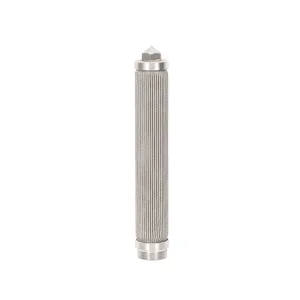
OEM Polymer Melt Filter Elements SUS 304
OEM Polymer Melt Filter Elements SUS 304 Factory, Company
View Details
99.8%
Melt Purity Rating
35%
Energy Reduction vs Legacy
5000+
Lines Installed Globally
ISO 9001
Certified Precision QA
Global Market Analysis

1. Global Commercial & Industrial Landscape of Plastic Recycling Pelletizing

Examining the structural shifts in recycled resin demand, legislative mandates, and quality benchmarks governing modern plastic pelletizing machinery suppliers worldwide.

Regulatory Drivers & Circular Economy Mandates

The global plastic recycling market has entered a structural paradigm shift driven by stringent legal frameworks such as the European Union’s Packaging and Packaging Waste Regulation (PPWR), mandatory Post-Consumer Recycled (PCR) content quotas, and global corporate ESG commitments. Industrial recyclers can no longer rely on low-tier flake sales. The market demands high-purity, uniform, upcycled plastic pellets capable of directly substituting virgin polymers in high-speed extrusion, blow molding, and injection molding machinery.

  • Strict PCR incorporation targets: 25% to 50% target ratios by 2030 across packaging sectors.
  • Elimination of volatile organic compounds (VOCs) and odor contaminants during extrusion.
  • Demand for consistent Melt Flow Index (MFI) matching prime virgin resin specs.

PIR vs. PCR Economic & Processing Realities

Pelletizing equipment suppliers must engineer systems optimized for distinct raw material matrices. While Post-Industrial Recycling (PIR) yields consistent polymer streams with predictable thermal histories, Post-Consumer Recycling (PCR) presents extreme variability in contamination levels, moisture content, melt flow behavior, and polymer blending (e.g., PE/PP mixtures, paper labels, aluminum traces, and organic residue).

  • High-torque extrusion drives required to handle variable viscosity feeds.
  • Integration of sub-micron continuous melt filtration to capture solid contaminants.
  • Advanced multi-stage vacuum degassing to extract entrapped gases and moisture.
Technological Breakthroughs

2. Engineering Innovations in Plastic Recycling Pelletizing Machinery

Discover how continuous melt filtration, intelligent barrel zone heating, twin-screw compounding dynamics, and automated pellet cutting redefine modern processing standards.

Melt Filtration

Continuous Hydraulic Screen Changers & Candle Filters

Traditional manual screen changers cause severe pressure drops and costly production downtime. State-of-the-art pelletizing plants employ double-piston or multi-plate continuous hydraulic screen changers combined with high-surface-area SUS304/316L candle filter cartridges. These systems enable non-stop operation even when processing heavily contaminated post-consumer agricultural films.

Energy Efficiency

Ceramic Infrared Heating & Direct-Drive Screw Systems

Energy constitutes up to 40% of total operational expenditure in pelletizing. Modern machines utilize high-efficiency ceramic induction heating combined with high-torque direct-drive permanent magnet motors. This eliminates gearbox energy transmission losses, reduces thermal inertia, and achieves energy savings of 25% to 35% per ton of output resin.

Automation & Control

PLC Smart Thermal & Pressure Feedback Loops

Integrated Industry 4.0 control platforms utilize Siemens/Schneider PLCs with real-time pressure transducers and melt temperature sensors. Automated melt pump speed control maintains constant head pressure across the die face, preventing strand breakage, uneven pellet dimensions, and thermal degradation of temperature-sensitive polymers.

Polymer Matrices & Use-Cases

3. Localized Application Scenarios & Polymer Matrix Engineering

Detailed processing protocols and machine configuration parameters tailored for diverse recycled polymer feedstocks.

Polyolefins (PE, PP, HDPE, LDPE, LLDPE)

Polyolefin recycling represents over 60% of total global recycling volumes. Applications range from agricultural mulch films, shopping bags, woven sacks (PP), to blow-molded HDPE milk containers and drums.

  • Challenges: High moisture content (up to 8%), print ink contamination, light bulk density, residual organic soils.
  • Solution Configuration: Integrated cutter-compactor (integrated shredder-feeder) coupled to a single-screw or twin-screw extruder. Double vacuum degassing zones with high displacement vacuum pumps. Water-ring die-face pelletizing system ensuring uniform spherical granules without dust.
  • Filtration Requirement: Continuous backflushing piston screen changers with mesh density ranging from 80 mesh to 150 mesh (100–180 microns).

Styrenics & Engineering Plastics (ABS, PS, HIPS, PA, PC)

Sourced predominantly from Electronic Waste (WEEE), Automotive Shredder Residue (ASR), and industrial scrap. Require precise shear and temperature control to prevent thermal degradation and chain scission.

  • Challenges: Mixed polymer cross-contamination, high melt viscosity, fire-retardant additive breakdown, high rigidity.
  • Solution Configuration: High L/D ratio (36:1 to 44:1) co-rotating twin-screw extruder with modular screw elements (kneading blocks, conveying elements, reverse flight mixing elements). Underwater pelletizing system for high-viscosity resins, producing pristine cylindrical or ellipsoidal pellets.
  • Filtration Requirement: High-pressure plate-type screen changers or SUS304 pleated candle filter elements supporting operating pressures up to 30 MPa.
Future Technology Horizon

4. Technical Roadmap & Future Outlook (2025–2030)

Strategic evolutionary pathways shaping next-generation pelletizing, melt purification, and digital machine control systems.

Sub-Micron Ultrapure Melt Filtration

As food-contact PCR regulations expand (such as US FDA LNO approvals and EU food grade compliance for PET/HDPE), melt filtration thresholds are advancing from traditional 100-micron screen meshes down to 10-25 micron micro-porous metal felt candle filters, capable of trapping micro-gels, carbonized black spots, and microscopic mineral fillers.

AI-Driven Online Rheology Adjustment

Next-generation extruders integrate inline rheometers and optical NIR (Near-Infrared) feed analyzers. The system automatically measures melt viscosity fluctuations in real-time and adjusts liquid peroxide dosage (for PP controlled rheology) or solid-state polycondensation (SSP) parameters (for PET IV restoration) on the fly.

Zero-Emission Closed-Loop Degassing

Environmental standards require full capture of process off-gases. Future recycling machinery replaces open exhaust vents with multi-stage cryogenic vacuum condensation systems that condense volatile hydrocarbons, ink solvents, and odor agents into liquid fraction tanks, preventing plant air contamination.

Turnkey System Architecture

5. Macro Industry Solutions & Turnkey Recycling Plant Engineering

Bridging individual machinery units into seamless, fully automated recycling and pelletizing plant environments.

End-to-End Plant Integration Architecture

Maximum operational efficiency requires seamless communication between pre-processing, extrusion, filtration, and post-pellet handling equipment. Our macro industrial layout integrates:

  • Automated Material Feeding: Silo conveying, gravimetric multi-component dosing, and metal separators to protect extruder screws.
  • Pre-Conditioning & Drying: Infrared rotary drum dryers or vacuum de-moisturizers to reduce energy load on the main extruder barrel.
  • Extrusion & Filtration Core: High-torque single or twin-screw extruder connected to continuous double-piston backflush screen changers.
  • Pellet Cooling & Classification: Centrifugal dewatering, vibrating classifying screens for uniform pellet sizing, and automated big-bag packaging stations.

Total Cost of Ownership (TCO) & Financial ROI

When selecting pelletizing machinery suppliers, enterprise buyers must evaluate lifetime operating cost rather than initial capital expenditure alone. Key metrics include:

  • Specific Energy Consumption (SEC): Target benchmarks < 0.28 kWh/kg for polyolefins.
  • Filtration Media Consumption: Utilizing backflushing screen changers reduces filter wire mesh replacement costs by up to 70%.
  • Resin Yield Rate: Minimizing melt loss during screen changes and startup purge procedures, targeting total operational yields > 98.5%.
Technical Knowledge Base

6. Frequently Asked Questions (FAQ) — Engineering & Procurement

Expert responses to critical questions encountered by recycling plant managers, process engineers, and procurement directors.

Q
What is the primary difference between Strand Pelletizing, Water-Ring Pelletizing, and Underwater Pelletizing?
Strand pelletizing extrudes polymer filaments into a water bath before mechanical cutting, ideal for rigid polymers like PA, PC, PET, and high-filler compounds. Water-ring pelletizing cuts pellets directly on the die face inside a air/water chamber, perfectly suited for polyolefins (PE, PP). Underwater pelletizing cuts pellets inside a fully submerged water chamber under pressure; it is the ultimate system for spherical pellet consistency, micro-pellet production, high-capacity lines (>2,000 kg/h), and sticky elastomeric polymers.
Q
How do continuous double-piston screen changers maintain constant pressure during backflushing?
Continuous double-piston screen changers utilize four distinct filter cavities (two per piston). During normal production, all four cavities filter the melt simultaneously. When a screen change or backflush cycle is triggered, one piston shifts so that one cavity is purged using clean polymer melt routed backward from the clean side of the stream, while the remaining three cavities continue filtering uninterrupted. This maintains system pressure within a narrow delta (<5%), preventing polymer surge at the die face.
Q
How can intrinsic viscosity (IV) degradation be prevented when pelletizing PET flakes?
PET undergoes severe hydrolytic degradation in the presence of moisture at elevated temperatures. To prevent IV loss: (1) Ensure pre-drying of PET flakes to moisture levels < 50 ppm using a desiccant or infrared drum dryer prior to extrusion. (2) Utilize a specialized twin-screw extruder with multiple high-vacuum degassing ports (< 5 mbar) to continuously remove thermal degradation by-products. (3) Maintain precise barrel temperature profiles to avoid localized overheating.
Q
What causes black spots in recycled plastic pellets and how can they be eliminated?
Black spots are caused by polymer stagnation and carbonization inside dead spots within the extruder barrel, adapter pipes, screen changer cavities, or die channels. They can also stem from thermal degradation of paper labels or fine organic dust. To eliminate black spots: (1) Ensure all melt flow channels feature streamlined, polished geometries without sharp corners or dead zones. (2) Upgrade to high-precision SUS304/316L pleated candle filter elements. (3) Utilize thermally stable processing additives and purging compounds during shutdowns.
Q
What L/D ratio (Length to Diameter) should be selected for plastic recycling extruders?
For clean industrial scrap (PIR), an L/D ratio of 30:1 to 32:1 is usually sufficient. However, for post-consumer plastics (PCR) requiring heavy degassing, ink stripping, and masterbatch compounding, a higher L/D ratio of 36:1 to 44:1 (or cascade two-stage extruder systems like 30:1 followed by 18:1) is essential. Higher L/D ratios provide longer residence time for thorough homogenizing, multi-zone degassing, and stable pressure buildup ahead of the filtration unit.
Q
Why are stainless steel SUS304 / 316L candle filter elements preferred over single-layer mesh screens?
Multi-layer SUS304/316L candle filter cartridges provide 300% to 500% greater filtration surface area compared to flat disc mesh screens of the same outer housing diameter. This massive surface area drastically reduces pressure drop across the filter, extends filter operating life between cleaning cycles by up to 4x, lowers shear stress on the polymer melt, and allows precise deep-bed particle capture down to 5 microns. Furthermore, stainless steel candle elements are fully cleanable (via pyrolysis, ultrasonic baths, or chemical solvents) and reusable, drastically reducing consumable costs.
Complete Equipment Catalog

Explore Additional Polymer Processing & Melt Filtration Components

Browse our full series of OEM/ODM SUS304 candle filter elements, screen mesh filters, leaf disc elements, and turnkey granulating machines.
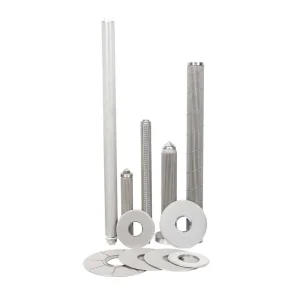
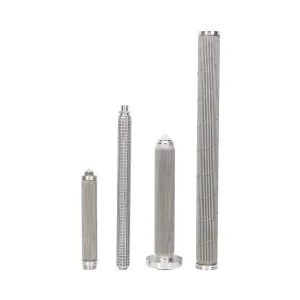
OEM Candle Filter Cartridge and Elements
OEM Candle Filter Cartridge and Elements for Polymer Processing - China Suppliers & Factory Manufacturer, Exporters
View Details
Famous China Polymer Candle Filter High Viscosity
Famous China Polymer Candle Filter for High Viscosity Substances - Leading Suppliers and Factory for Efficient Filtration Manufacturer, Exporter
View Details
Wholesale Polymer Candle Filter Elements SUS 304
Wholesale Polymer Candle Filter Elements SUS 304 - High-Quality China Suppliers and Factory for Efficient Filtration Exporters, Company
View Details
China Customized Polymer Pleated Candle Filter
China Customized Polymer Pleated Candle Filter Cartridge Suppliers and Factory in China for Effective Impurity Removal Factory, Companies
View Details
Premium Candle Filter Cartridge Spunbond
China China Suppliers Factory: Premium Candle Filter Cartridge for Spunbond Nonwoven and Polymer Melt Filtration Exporter, Companies
View Details
Custom Plastic Recycling Machine China Suppliers
Custom Plastic Recycling Machine | China Suppliers & Factory for Granulating Plastic Waste into Uniform Granules Suppliers, Companies
View Details
Wholesale Polymer Melt Filter Elements SUS 304
Wholesale Polymer Melt Filter Elements SUS 304 from China | Trusted Suppliers & Factory for High-Quality Filtration Solutions Manufacturer, Exporter
View Details
China High Quality Polymer Extruder Screen Mesh
China High-Quality Polymer Extruder Screen Mesh Filters - China Suppliers & Factory for Efficient Filtration Exporter, Companies
View Details