Engineered for maximum throughput, low energy consumption, and high purity output.
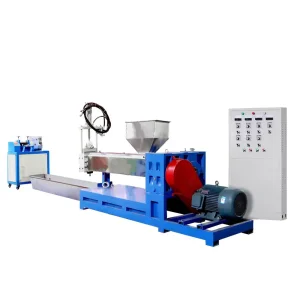
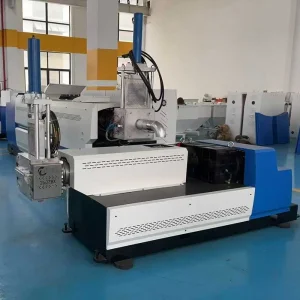
The global plastic recycling landscape is undergoing a tectonic paradigm shift driven by stringent regulatory frameworks, environmental ESG mandates, and the aggressive pursuit of closed-loop circular economies. Polyethylene Terephthalate (PET), representing one of the most widely utilized thermoplastic polymers in beverage packaging, synthetic fibers, and thermoforming sheets, sits at the absolute center of this industrial transformation. As multinational brand owners commit to integrating 25% to 50% post-consumer recycled PET (rPET) into primary food and beverage packaging, the technical demand placed on PET bottle recycling machine suppliers and exporters has escalated from basic mechanical grinding to ultra-sophisticated, multi-stage decontamination and continuous melt refining.
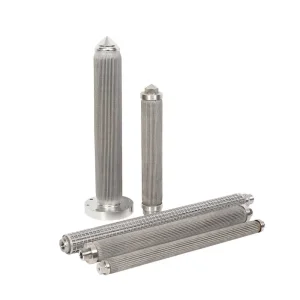
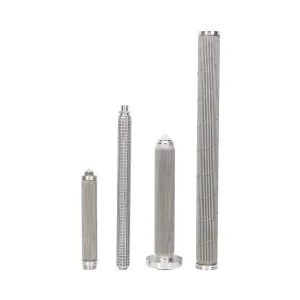
Achieving food-contact grade rPET pellets (meeting European Food Safety Authority - EFSA guidelines and US FDA 21 CFR 177.1630 protocols) requires overcoming three fundamental physical-chemical barriers: volatile organic compound (VOC) removal, solid contamination elimination (down to sub-20 micron levels), and Intrinsic Viscosity (IV) maintenance. Traditional recycling lines often suffer from thermal degradation, excessive melt pressure drops, and rapid screen blinding when processing heterogeneous post-consumer bottle bales. Consequently, top-tier global recyclers are prioritizing machinery configurations equipped with integrated continuous piston screen changers, multi-venting high-vacuum degassing extruders, and micro-porous stainless steel candle filter elements.
Global mandates, such as the EU Single-Use Plastics Directive, enforce minimum rPET thresholds, turning high-efficiency PET recycling plants from optional sustainability projects into mandatory core infrastructure.
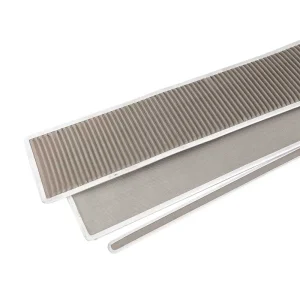
Ultra-fine polymer filtration using SUS 304/316 woven mesh and sintered candle filter elements removes non-meltable gels, paper fibers, and micro-metals, preventing spinneret pack clogging and film pinholes.
Modern PET granulating machinery integrates direct compaction-extrusion systems, bypassing energy-intensive pre-drying steps while protecting IV through precise atmospheric management.
When procurement managers, plant directors, and OEM machinery buyers search for China PET recycling machinery exporters, their intent spans far beyond purchasing basic hardware. They seek turnkey engineering reliability, operational longevity, minimal downtime during filter screen changes, and flexible customizability. Based on field audit data from over 80 countries, international buyers focus heavily on the following core operational indicators:
Located in Zhejiang, China, Pujiang HG Plastic Machinery Co., Ltd. represents the pinnacle of specialized industrial filtration and plastic recycling machinery manufacturing. With over two decades of dedicated research, development, and advanced shop-floor production, our facility merges deep polymer chemistry understanding with high-precision metallurgical fabrication.
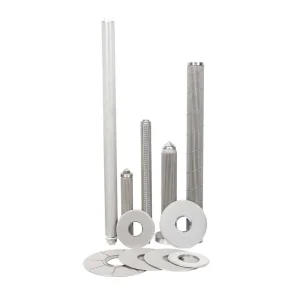
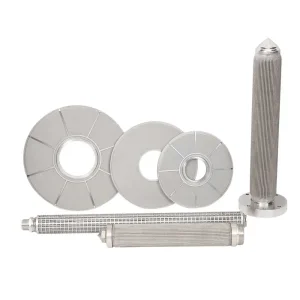
Our competitive advantage rests upon complete vertical supply chain integration. Unlike suppliers who source filter elements externally, we design and produce our own proprietary range of polymer candle filters, leaf disc filter assemblies, and stainless steel screen mesh elements in-house. This closed-loop manufacturing model yields three transformative benefits for global buyers:
Utilizing high-precision CNC lathes, automatic wire mesh weaving machines, and vacuum sintering furnaces, we guarantee uniform pore size distribution across candle filter cartridges and leaf disc elements.
Every extrusion project carries unique thermal and rheological signatures. We customize mesh weaves, filtration micron ratings (from 5μm to 500μm), connection flanges, and filter housing geometries to fit any global OEM line.
By optimizing fluid dynamics within our melt filter housings, backwash waste is minimized, operational energy consumption is reduced by up to 18%, and filter element operational lifespans are extended.
Selecting the optimal melt filtration architecture based on raw material contamination levels and target application purity.
| Filtration Technology Type | Filtration Rating Range | Effective Filtration Area | Max Pressure Tolerance | Primary Industrial Application | Maintenance & Cleanability |
|---|---|---|---|---|---|
| Standard Wire Mesh Screens | 80μm – 500μm | Low (Flat Surface) | 15 – 20 MPa | Basic PP/PE Granulation, Coarse PET Recycling | Single-use disposable mesh discs |
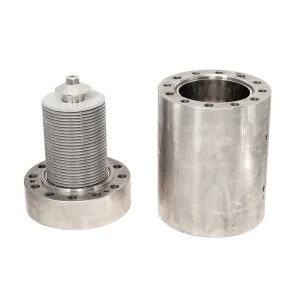
| Continuous Piston Screen Changer | 40μm – 250μm | Medium (Dual-Plate) | 25 – 30 MPa | PET Bottle Flake Pelletizing, Sheet Extrusion | Automated non-stop hydraulic change |
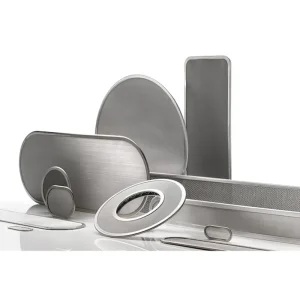
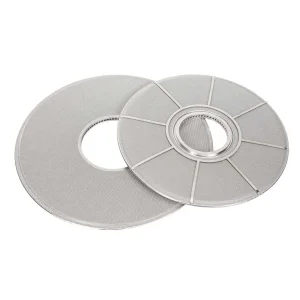
| Multi-Layer Sintered Leaf Disc Filters | 10μm – 60μm | High (Stacked Discs) | 25 – 35 MPa | BOPET / BOPP High-Clearance Film Lines | Ultrasonic cleanable & reusable |
| Stainless Steel Polymer Candle Filters | 5μm – 100μm | Ultra-High (Pleated Cartridge) | 30 – 40 MPa | Food-Grade rPET, Spunbond Fiber, Polyester Filament | Pyrolytic oven + chemical bath reusable |
The operational demands placed on a PET bottle recycling line vary substantially depending on the target end-product application. Pujiang HG Plastic Machinery configures specialized recycling and filtration systems tailored to four primary industrial downstream sectors:
Producing food-contact approved virgin-quality rPET resin requires ultra-deep cleaning. After optical sorting and caustic hot washing, bottle flakes are fed into an ultra-degassing twin-screw extruder. Polymer candle filters rated at 20 microns remove minute carbonized specks and non-melting polymer inclusions. The resulting melt is processed through a Solid State Polymerization (SSP) reactor to boost IV from 0.72 dl/g back up to 0.84 dl/g for preform molding.
Industrial strapping bands demand high tensile strength and break resistance. Impurities cause sudden strap snapping during high-tension packaging. Utilizing continuous dual-piston screen changers fitted with SUS 304 multi-layer woven wire mesh filters ensures continuous melt purity without introducing air bubbles or pressure fluctuations into the downstream orientation die.
Textile plants in Southeast Asia and South America convert recycled bottle flakes directly into synthetic fiber for garments, carpeting, and non-woven geotextiles. Micro-denier filament spinning requires absolute melt purity. Stacked leaf disc filters or pleated polymer candle filter elements remove sub-micron gels, ensuring uninterrupted spinneret operation and preventing fiber breakages.
Thermoforming sheet manufacturers producing clear food clamshell trays require optical transparency free from haze or black specks. Our precision screen mesh filters and smooth-channel hydraulic changers maintain laminar melt flow, preventing polymer stagnation and thermal discoloration.
Technical insights provided by Pujiang HG Plastic Machinery's senior engineering team.
Direct factory supply with worldwide export compliance and fast technical dispatch.
Consult with our senior technical engineers today for custom recycling line layouts, filtration element quotes, and technical specifications.