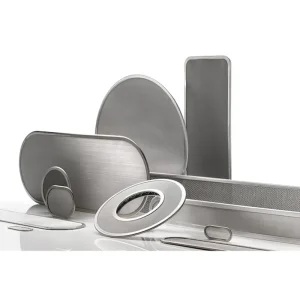
Engineered for extreme durability, uniform granule dimensions, and zero-degradation polymer melt processing.
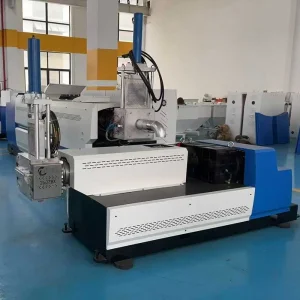
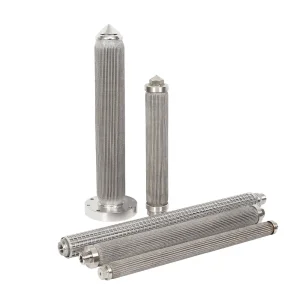
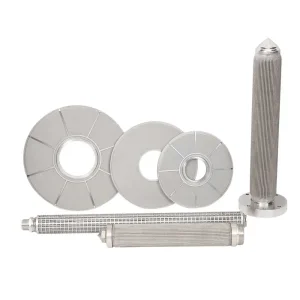
Understanding the transition from post-consumer waste management to high-purity recycled Polyethylene Terephthalate (rPET) raw material engineering.
Global annual production of PET beverage containers exceeds 500 billion units. Efficient ODM PET bottle crashers (crushers) act as the critical primary gatekeeper, reducing massive volumetric hollow waste into uniform, high-density flake feeds for downstream washing, decontamination, and pelletizing.
Mechanical shear during PET bottle crushing must be meticulously controlled. Excessive frictional heat causes thermo-mechanical degradation of the PET polymer chain, dropping Intrinsic Viscosity (IV) below the threshold required for bottle-to-bottle (B2B) or high-tenacity filament extrusion.
With the European Union single-use plastics directive mandating a minimum of 25% rPET in beverage bottles by 2025 and 30% by 2030, global exporters require robust, automated crushing equipment capable of continuous 24/7 operation with minimum blade maintenance downtime.
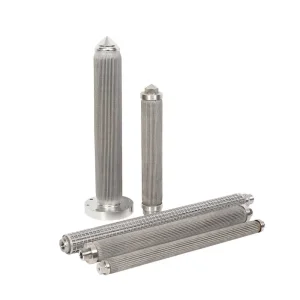
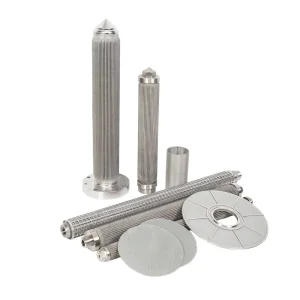
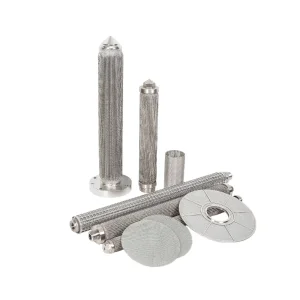
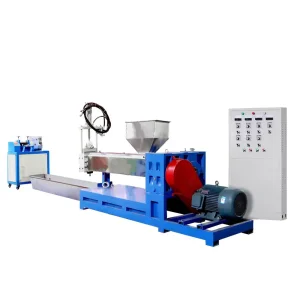
Information Gain Insight: Buyers frequently search for "PET Bottle Crasher" (a common industry phonetic variation of PET Bottle Crusher). Beyond mere size reduction, modern B2B intent requires a total integration perspective—linking primary mechanical crushing directly with wet washing, label separation, and downstream continuous polymer melt filtration (candle filters and screen changers) to produce pristine recycled resin.
An engineering analysis of heavy-duty rotor designs, blade shear mechanics, and wear-resistant alloy selection for high-throughput PET crashers.
Traditional flat-blade crushers suffer from high friction, blade dulling, and excessive dust creation when processing hollow PET bottles. Our specialized ODM PET Bottle Crashers employ a V-shaped double-shear cutting geometry. This concentrates cutting force on the exact contact point, significantly reducing power consumption (kWh per ton), suppressing dust generation to less than 1.2%, and producing uniform 10-12mm flakes optimized for friction washing.
The rotor body is CNC-machined from forged 42CrMo high-tensile alloy steel, statically and dynamically balanced to ISO 1940 G2.5 precision to eliminate high-speed vibration. Cutting blades utilize premium D2 / SKD-11 / DC53 cold-work tool steel with vacuum heat treatment, achieving a surface hardness of HRC 58-62. For abrasive applications involving post-consumer sand and glass contamination, tungsten-carbide hard-facing coatings are applied to rotor wear surfaces.
| Machine Parameter | Standard Light Granulator | Heavy-Duty Industrial PET Crasher | ODM Wet-Crushing Granulating Line |
|---|---|---|---|
| Drive Power (kW) | 15 kW - 37 kW | 55 kW - 160 kW | 90 kW - 315 kW Continuous |
| Rotor Diameter (mm) | Ø 300 mm - Ø 450 mm | Ø 630 mm - Ø 800 mm | Ø 800 mm - Ø 1000 mm Heavy V-Rotor |
| Flake Size Range | 8 mm - 15 mm (Irregular) | 10 mm - 12 mm Uniform | 8 mm - 14 mm (Optimized for Wet Friction) |
| Blade Metallurgy | 9CrSi / 6CrW2Si | D2 (Cr12Mo1V1) / SKD-11 | DC53 with Tungsten Carbide Cladding |
| Hydraulic Service Access | Manual Screw Open | Dual-Cylinder Hydraulic Cradle Open | Fully Automated Touchscreen Hydraulic Split |
| Water Injection Wet-Kit | Not Supported | Optional Spray Nozzles | Integrated Closed-Loop Wet Wash Chamber |
Why mechanical size reduction quality dictates the performance and lifespan of downstream polymer melt filter elements.
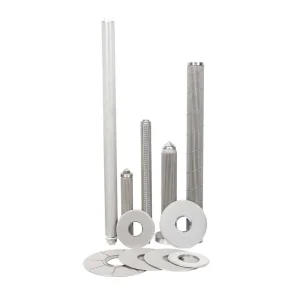
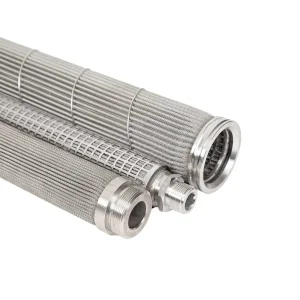
In recycled PET extrusion—whether manufacturing rPET sheet for thermoforming, staple fiber, or food-grade pelletizing—mechanical crushing is only the first phase. The quality of the crushed PET flake directly dictates the operational lifespan of downstream melt filtration equipment such as Polymer Candle Filters and Stainless Steel Screen Mesh Filters.
Improperly crushed PET bottles generate uneven flake dimensions and fine polymeric dust ("fines"). When fed into an extruder melt pump, these fines melt at erratic rates, introducing localized thermal degradation, micro-gels, and premature clogging of fine multi-layer wire mesh filters (e.g., 20μm to 40μm absolute ratings).
Synergistic Quality Control: By standardizing PET flake dimensions through precision ODM bottle crashers, plastic recyclers reduce pressure spikes across continuous candle filter housings (CPF), extending screen change intervals by up to 35% and preventing fiber breakage in chemical fiber spinning lines.
From raw post-consumer bottle bales to FDA/EFSA compliant food-grade rPET granules and melt-filtered filaments.
Post-consumer PET bottle bales are opened via hydraulic de-balers and fed into high-speed rotary de-labelers. Specialized mechanical teeth strip PVC/PP shrink sleeves without puncturing the underlying PET bottle structure, achieving >98% label removal efficiency.
Bottles pass directly into the ODM Wet PET Crasher. Water is injected into the crushing chamber continuously, lubricating the SKD-11 blades to frictionally scrub residual liquids, dirt, and adhesives off the bottle walls while grinding them into 10mm flakes.
Crushed flakes enter stainless steel sink-float tanks filled with water (density = 1.0 g/cm³). Polyolefin bottle caps (HDPE/PP) float to the surface and are skimmed off, while heavy PET flakes (density = 1.38 g/cm³) sink to the bottom for recovery.
Flakes undergo intensive washing at 85°C to 90°C with 1-2% NaOH solution and detergents to eliminate tough glue remnants. Mechanical centrifugal dewaterers and thermal drying pipes reduce flake moisture content down to <0.5%.
Cleaned flakes are fed into high-vacuum twin-screw extruders. Multi-stage degassing removes volatile organic compounds (VOCs). The polymer melt passes through high-area candle filter cartridges to eliminate sub-micron solid contaminants.
For bottle-to-bottle food grade applications, extruded rPET pellets are processed in SSP reactors under vacuum and elevated temperatures (200°C - 220°C) to rebuild intrinsic viscosity (IV) from 0.70 dl/g back up to 0.84 dl/g.
Tailoring ODM PET bottle crasher engineering to meet specific regional environmental standards and operational parameters.
Primary Market Driver: High ambient humidity, heavy post-consumer soil/sand contamination, and high throughput volume requirements.
ODM Engineering Adaptation: Water-cooled bearing blocks isolated from the crushing chamber, anti-corrosive stainless steel rotor chambers, and extra-heavy flywheels to handle sudden shock loads from un-sorted bales.
Primary Market Driver: Stringent CE safety compliance, low noise decibel limits (<80 dB), EN 15343 traceability, and high energy efficiency.
ODM Engineering Adaptation: Soundproof acoustic insulation enclosures, IE4 super-premium efficiency motors, smart PLC integration with automated safety interlocks, and CE-certified hydraulic maintenance doors.
Primary Market Driver: Extreme ambient operating temperatures (>45°C), long continuous production runs, and demand for multi-material crushing (PET, HDPE, PP).
ODM Engineering Adaptation: Dual-circuit oil-water external cooling heat exchangers for bearings, modular quick-change rotor screens (8mm - 18mm), and tungsten-carbide clad blade edges.
Next-generation smart crushing technologies and low-carbon polymer filtration systems.
Future ODM PET crashers integrate piezo-electric vibration and acoustic emission sensors directly within the bearing pedestals. Machine learning algorithms analyze cutting frequency signatures in real-time, detecting blade dulling or rotor imbalance before cataclysmic failure occurs. Automated hydraulic actuators adjust fixed blade gap clearance dynamically to maintain optimal 0.20mm shear tolerances without stopping the machine.
Eliminating conventional hot-water caustic wash tanks, next-gen PET recycling lines utilize supercritical CO2 (scCO2) within closed-loop crushing chambers. Supercritical fluid rapidly dissolves contaminants, oils, and adhesives at room temperature. The resultant clean melt is passed through continuous duplex candle filter systems, cutting total energy consumption per ton of rPET resin by over 45%.
Expert technical answers regarding PET bottle crasher selection, blade maintenance, and polymer melt filtration integration.
A standard plastic crusher is designed for thick-walled rigid scrap (e.g., injection molded crates or pipe profiles) using straight-cut blades. A specialized ODM PET Bottle Crasher incorporates a high-diameter hollow rotor with V-shaped double-shear rotor blades, heavy flywheels, and an optional water-injection wet-kit. This prevents hollow bottles from bouncing on top of the rotor ("fly-wheel effect"), dramatically increasing throughput while lowering frictional heat and IV degradation.
Wet crushing involves injecting continuous water jets directly into the cutting chamber during operation. The water acts as a dynamic coolant and lubricant, reducing blade cutting temperatures from over 110°C down to below 40°C. This prevents PET from reaching its glass transition temperature and softening, which would otherwise dull blade edges rapidly. Furthermore, wet crushing pre-washes dirt and abrasive sand off the PET flakes, extending blade sharpening intervals by up to 300%.
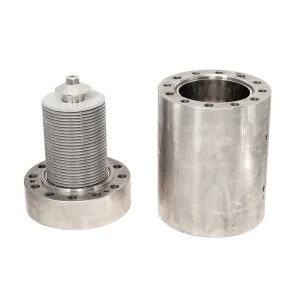
Even after multi-stage washing and density separation, post-consumer PET flakes contain sub-micron non-melting contaminants such as residual aluminum cap fragments, high-temperature silicone rubber, paper fibers, and micro-gels. Downstream polymer melt filtration systems—such as high-viscosity candle filter cartridges or continuous hydraulic screen changers—remove these particulate contaminants down to 20 microns, ensuring the final rPET resin meets strict fiber-spinning or food-packaging specifications.
For relatively clean post-industrial PET bottle scrap, D2 (Cr12Mo1V1) or SKD-11 cold-work tool steel (HRC 58-60) offers an optimal balance of hardness and cost. However, for post-consumer municipal waste PET bales containing residual sand, glass, or metal clips, we strongly recommend DC53 steel or D2 blades featuring tungsten-carbide (WC) hard-facing along the primary cutting edges, providing exceptional resistance to abrasive wear and micro-chipping.
As a specialized manufacturer, our ODM capabilities include fully customized rotor geometries (V-cut, chevron, or multi-stagger), motor power configurations (55kW up to 315kW), customized screen mesh aperture sizing (6mm to 18mm), integrated hydraulic opening mechanisms for rapid blade changes, acoustic soundproof housings, specialized anti-corrosive stainless steel chamber linings, and tailored PLC control systems compatible with Siemens S7-1500 or Allen-Bradley protocols.
Explore our full line of ISO-certified candle filter elements, wire mesh filters, and custom melt filtration components.