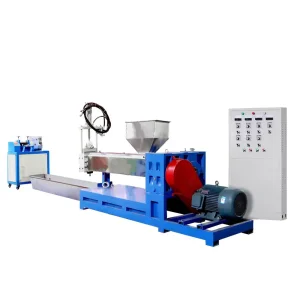
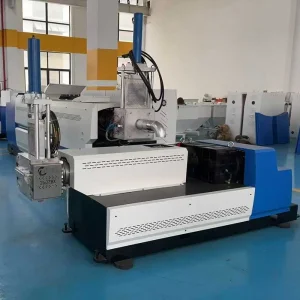
In the era of global circular economy mandates, post-consumer and post-industrial plastic recycling has evolved from basic waste management into a high-precision chemical and mechanical process engineering discipline. Sourcing high-capacity, heavy-duty wholesale plastic washing machine lines is critical for recyclers, compounders, and municipal waste management conglomerates aiming for food-grade rPET, rHDPE, and rPP resin production.
Modern industrial plastic washing systems are no longer standalone friction washers or simple settling tanks; they are modular, automated decontamination networks. High-throughput recycling facilities require washing equipment engineered to handle fluctuating contamination levels—including heavy organic soil, oil residues, persistent paper labels, pressure-sensitive adhesives, and multi-layer film barriers.
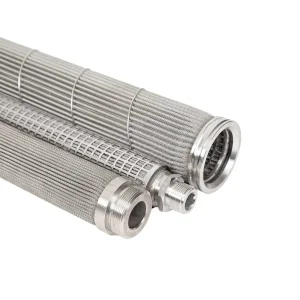
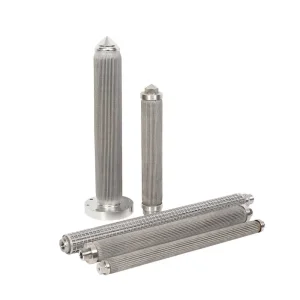
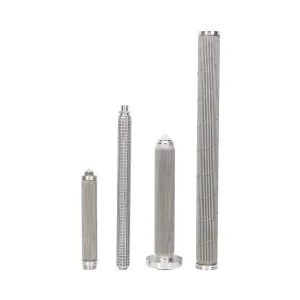
As wholesale buyers evaluate plastic washing machine manufacturers, Search Intent Mining reveals key buyer criteria: continuous operational stability, water and energy efficiency (measured in kWh/ton), wear-resistant metallurgy, and seamless integration with downstream extrusion and melt filtration units (such as high-precision stainless steel polymer candle filters and screen mesh changers).
Traditional mechanical washing lines often suffer from rapid knife degradation, high freshwater consumption, and frequent clog-induced downtime. Advanced B2B machinery buyers prioritize manufacturers providing closed-loop water recirculation filtration, continuous hydrodynamic friction washers, and thermo-dynamic chemical washing modules configured with SUS 304/316 stainless steel contact points.
Achieving pristine, high-purity recycled flakes requires a systematic, multi-stage engineering approach. A complete industrial plastic washing line manufactured by leading engineering firms integrates mechanical, hydrodynamic, and thermal treatment steps.
Bales are singulated and fed into heavy-duty rotary shredders equipped with wear-resistant D2/SKD-11 alloy blades. High-torque twin-shaft shredders reduce rigid plastics or agricultural film into uniform flakes while dry-pre-cleaning sand and heavy gravel.
Operating at rotational speeds up to 1,200 RPM, our centrifugal friction washers utilize high-velocity water jets to strip paper pulp, glue, and surface dirt. Curved screen mesh liners continually discharge slurry without blinding.
Utilizing precise water medium density differentials (1.0 g/cm³ threshold), sink-float tanks separate heavy contaminants (PVC, PET, glass, metal) from polyolefins (PP/PE film and rigid flakes) across extended sedimentation paths.
To eliminate oil greases, industrial lubricants, and persistent adhesives, thermal wash reactors heat caustic soda (NaOH) solutions up to 85°C–90°C, restoring flake color and surface tension for high-grade remanufacturing.
Vertical and horizontal mechanical dryers accelerate flakes against micro-perforated stainless screens, flinging off water droplets to reduce moisture content below 1.5% prior to thermal piping drying.
Zig-zag air classifiers separate fine dust, residual paper labels, and lightweight film fibers from the final flake stream, delivering clean raw material ready for extrusion pelletization.
| Module Line Series | Target Polymer Input | Processing Capacity | Moisture Output | Main Drive Power | Wetted Metallurgy |
|---|---|---|---|---|---|
| HG-PET 1000 | Post-Consumer PET Bottles / Flakes | 1,000 – 1,500 kg/hr | < 0.8% | 160 kW | SUS 304 Stainless Steel |
| HG-PET 2000 | High-Contaminant PET Bottle-to-Bottle | 2,000 – 3,000 kg/hr | < 0.5% | 315 kW | SUS 316 Acid-Resistant SS |
| HG-PE/PP 1000F | Agricultural & Post-Industrial PE/PP Film | 800 – 1,200 kg/hr | < 2.0% | 185 kW | SUS 304 + Hard-Chrome Rotor |
| HG-RIGID 3000 | HDPE Milk Bottles, PP Crate Crushed Material | 2,500 – 3,500 kg/hr | < 1.0% | 250 kW | Heavy-Duty Carbon Steel + SUS Parts |
Plastic contamination profiles vary substantially depending on regional collection infrastructures, agricultural practices, and local municipal regulations. A reliable wholesale plastic washing machine manufacturer must engineer modular systems tailored to localized operating conditions.
Demanding stringent EFSA and FDA clearances, European and North American reprocessors utilize our ultra-clean PET washing lines equipped with automated caustic thermal washing, chemical dosing, and optical flake sorters to achieve under 50 ppm total impurities.
In arid regions across the Middle East and Latin America, mulch and greenhouse PE films contain up to 40% sand, grit, and organic matter. Our heavy-duty pre-washing trommels and dry sand separators protect downstream granulator blades from rapid abrasion.
Processing complex e-waste housings, battery boxes, and municipal rigid containers, Southeast Asian reprocessors rely on multi-stage sink-float separation tanks combined with high-torque shredders to split PP, PE, and heavy ABS/PS fractions cleanly.
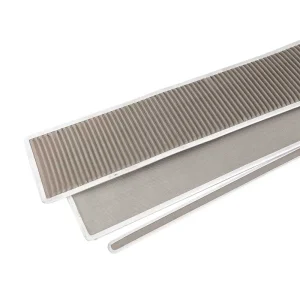
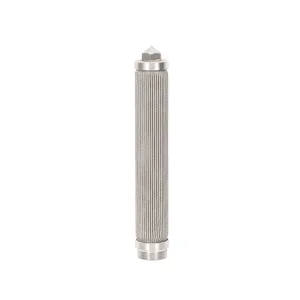
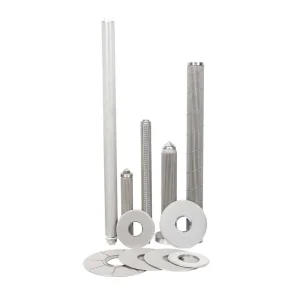
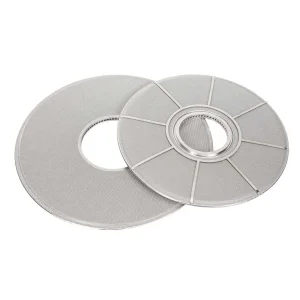
Washing is only the first half of the recycling value chain. Once washed flakes enter the extruder, microscopic non-melting contaminants, cross-polymers, and aluminum dust must be removed. Our factory specializes in secondary downstream filtration, supplying custom SUS 304/316 polymer candle filter elements, leaf disc filters, and extruder screen mesh filters to guarantee zero strand breakage during final pelletization.
China remains the global epicenter for industrial machinery manufacturing. Partnering with a specialized Chinese OEM/ODM wholesale manufacturer offers distinct technical, economic, and logistical strategic advantages for global B2B machinery buyers.
Situated in Zhejiang's advanced industrial equipment cluster, our manufacturing campus maintains direct access to precision CNC machining centers, high-grade stainless steel foundries, laser cutting facilities, and specialized motor suppliers—reducing component lead times by up to 40%.
By leveraging standardized modular design architectures and high-volume component sourcing, Chinese manufacturers deliver heavy-duty plastic washing plants at 30% to 50% lower total CAPEX compared to European equivalents, without sacrificing structural durability or safety compliance.
Every industrial recycling plant presents unique spatial constraints and power requirements. Our engineering team provides custom 3D CAD factory layouts, tailored electrical voltage configurations (e.g., 380V, 415V, 480V at 50/60Hz), and custom wear-resistant alloy selection within days.
As plastic recycling transitions toward smart digital manufacturing and carbon neutrality, plastic washing machines are undergoing rapid technological evolution. Wholesale buyers must invest in equipment designed for future-proof scalability.
Integration of vibration sensors, temperature probes, and smart flow meters connected to PLC cloud dashboards. Real-time predictive maintenance algorithms alert operators to rotor imbalance, bearing wear, or screen blinding before catastrophic downtime occurs.
Future washing plants integrate closed-loop micro-filtration and chemical flocculation units, recycling up to 95% of wash water continuous loop, dramatically lowering fresh water intake fees and satisfying strict environmental discharge permits.
Capturing exhaust thermal energy from friction dryers and hot wash units to preheat incoming water loops, reducing total electrical utility consumption by 22% and improving overall plant carbon intensity ratings.
Operating heavy industrial recycling equipment requires strict adherence to international safety standards, mechanical reliability, and round-the-clock technical service support.
All plastic washing systems and polymer filter components are manufactured under ISO 9001:2015 quality control systems. Machines feature full CE compliance, dual-channel emergency safety interlocks, and IP65/NEMA 4X rated electrical control cabinets.
From initial site civil planning, water piping schematics, and electrical load balancing to on-site installation supervision and operator training, our senior field service engineers deploy globally to ensure seamless commissioning.
We maintain a comprehensive global inventory of high-wear spare parts including D2 granulator blades, friction washer screens, mechanical seals, and stainless steel screen mesh elements, guaranteeing dispatch within 48 hours.
Expert answers to critical technical and commercial questions posed by industrial recycling plant managers and machinery purchasing directors.
For rigid plastics (HDPE/PP/PET flakes), our mechanical centrifugal dewatering units reduce surface moisture to under 1.0%–1.5%. For thin films (PE/PP film), combining centrifugal drying with thermal pipe drying achieves final moisture levels under 2.0%, ideal for direct extrusion pelletization.
Agricultural film lines feature an initial dry de-stoning trommel to drop out sand and rocks without using water, followed by a wet shredder, high-speed friction washer, and multiple sink-float tanks designed with continuous top-paddle scrapers to float film while sinking heavy mud.
Even high-efficiency washing lines cannot eliminate sub-micron silica, microscopic paper fibers, or cross-polymer contaminants embedded inside plastic flakes. Installing SUS 304/316 polymer candle filter elements or leaf disc filters before the die head ensures continuous, clean melt flow and prevents pellet contamination.
We supply SUS 304 as standard for neutral water wash sections. For hot chemical washing modules using caustic soda (NaOH) at high temperatures (85°C–90°C), we recommend SUS 316 or SUS 316L acid- and alkali-resistant stainless steel to prevent localized pitting corrosion.
Standard modular washing lines are typically manufactured, assembled, and factory-tested (FAT) within 45 to 60 business days. Custom engineering configurations or non-standard electrical voltages are delivered within 60 to 75 days.
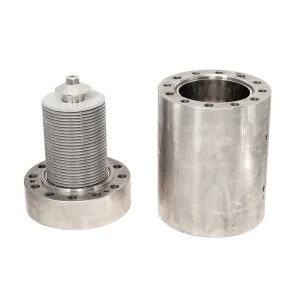
Yes. Beyond complete washing lines, our specialized manufacturing division produces OEM and ODM polymer filter components, including multi-layer sintered screen mesh disks, cylindrical candle filters, and leaf disc filter assemblies tailored to any OEM filtration system.