Precision-engineered continuous melt screen changers, high-torque pelletizers, and fine-mesh filter media compliant with rigorous Japanese resin specifications (PIR & PCR reprocessing).
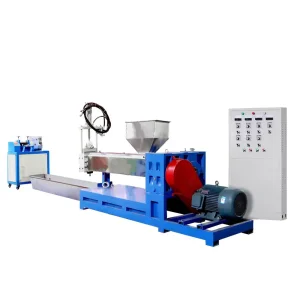
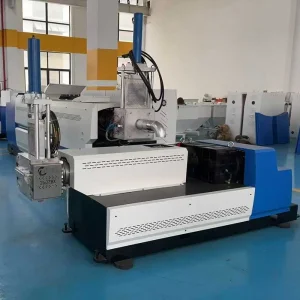
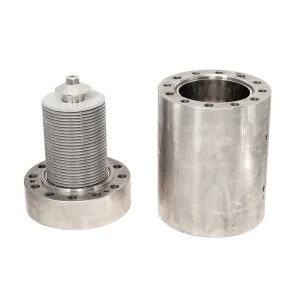
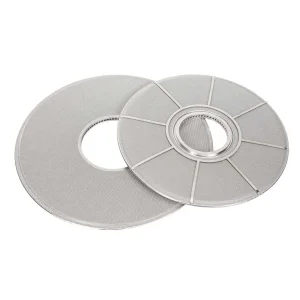
Japan stands as one of Asia's most sophisticated yet highly regulated markets for plastic resource recovery. Driven by the enactment of the Act on Promotion of Resource Circulation for Plastics (プラスチック資源循環促進法) in April 2022, Japanese brand owners, automotive OEMs (such as Toyota, Honda, and Nissan tier-1 suppliers), and electronic manufacturers are under stringent mandates to integrate Post-Consumer Recycled (PCR) and Post-Industrial Recycled (PIR) resins into primary supply chains.
Historically, Japan relied heavily on thermal recovery (incineration for energy recovery). However, under the Ministry of the Environment (MOE) and METI guidelines, the industry is pivoting rapidly toward high-value mechanical recycling and closed-loop material recovery. This regulatory shift presents unique mechanical challenges: recycled resins must match the purity, melt flow index (MFI), visual transparency, and tensile strength of virgin polymers.
Japan's industrial electricity tariffs mandate equipment with optimized specific energy consumption (kWh/kg). Our machinery integrates smart variable-frequency drives (VFD) and optimized heating zones to cut energy consumption by up to 22%.
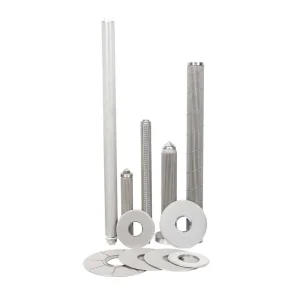
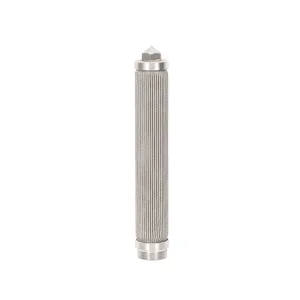
Japanese processors require strict gel-reduction and foreign particle removal. Our SUS316L multi-layer sintered filter elements prevent cross-contamination, specks, and carbonization during continuous pelletizing runs.
All control panels and electrical components are built to comply with Japanese Industrial Standards (JIS) and PSE regulations, featuring Omron/Schneider PLC controls and dual-circuit safety interlocks.
In high-viscosity polymer extrusion (PET, PP, PE, PC, PA), the filtration stage dictates the mechanical properties of the end product. Contaminants such as un-melted gels, degraded black spots, metal micro-particles, and paper fibers ruin film clarity and cause fiber breakage during high-speed spinning.
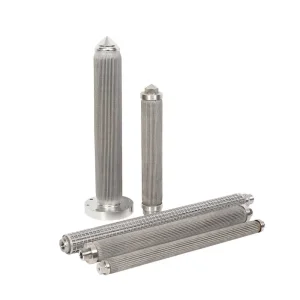
Our continuous hydraulic screen changers and high-area candle filter assemblies maintain a stable pressure drop ($\Delta P$) across the filter media. By expanding effective filtration surface area up to 500% compared to flat screen packs, melt residence time is stabilized, preventing polymer degradation and shear-induced thermal cracking.
| Filtration Technology | Filter Media Material | Filtration Rating (μm) | Typical Japan Application Sector | On-Stream Cleaning / Lifespan |
|---|---|---|---|---|
| Pleated Polymer Candle Filters | SUS316L Sintered Fiber Felt | 3 μm – 40 μm | BOPET / BOPP Packaging Film & Synthetic Fiber | Ultrasonic cleanable (5–10 reuse cycles) |
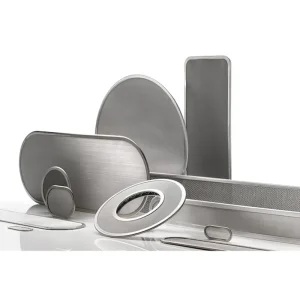
| Multi-Layer Leaf Disc Filters | Woven Wire Mesh + Sintered Metal | 10 μm – 80 μm | Optical Grade Sheet, PC Lens, Battery Separator Film | TEG burn-off & chemical backwash compatible |
| Continuous Plate Screen Changers | Multi-mesh Stainless Steel Packs | 40 μm – 250 μm | Post-Consumer PE/PP Agricultural Film Granulation | Automated non-stop hydraulic indexing |
| Extruder Wire Mesh Belts | SUS304 / SUS316 High-Tensile Mesh | 50 μm – 300 μm | Auto Part PIR Recycling & Compound Masterbatch | Continuous ribbon advance system |
Japanese recyclers dealing with printed PE film or contaminated industrial waste require advanced moisture and VOC removal systems. Our double-vacuum degassing twin-screw recycling extruders feature multi-vent zones capable of extracting volatile inks, moisture, and low-molecular-weight contaminants prior to melt filtration, delivering odor-free pellets suitable for high-grade molding.
As Japan targets net-zero carbon emissions by 2050, plastic machinery must evolve beyond conventional mechanical granulating. Our R&D engineering roadmap focuses on AI-driven self-cleaning filtration, inline NIR spectroscopy sorting integration, and minimal-degradation thermal extrusion architectures.
Integration of IoT pressure/temperature sensors with PLC predictive algorithms to dynamically auto-purge contaminant buildup before melt spikes occur.
Ultra-fine liquid polymer filtration (< 2μm) designed to purify feedstock for chemical pyrolysis and enzymatic monomer depolymerization processes.
Fully insulated electromagnetic induction heated extruders paired with closed-loop water recirculation systems for near-zero operational emissions.
When multinational firms and Japanese manufacturing entities evaluate plastic recycling systems, Capital Expenditure (CAPEX) is only a small portion of the total decision matrix. Operational Efficiency (OPEX), Total Cost of Ownership (TCO), and equipment lifecycle reliability dictate ROI.
Exporting recycling machinery to Japan requires meticulous attention to engineering standards, documentation, and prompt field assistance. We provide customized OEM/ODM engineering solutions tailored specifically to Japanese factory footprints and operational protocols.
Equipment configured specifically for Japanese power grids: 200V / 220V 3-phase, 50Hz (Eastern Japan / Tokyo) and 60Hz (Western Japan / Osaka), featuring JIS-standard color-coded wiring and safety relays.
Touchscreen HMI interfaces customizable in Japanese and English, complete with comprehensive operation manuals, maintenance guides, and schematics adhering to Japanese industrial safety norms.
Standardized replacement components (heaters, thermocouple sensors, filter meshes, seals) are stocked for rapid international air freight dispatch to minimize any unplanned factory downtime.
Technical insights to help procurement directors, plant engineers, and plant managers make informed equipment decisions.
Explore our comprehensive catalog of high-performance filter elements, continuous screen packs, and recycling machinery serving Japanese polymer processors and global exporters.
Partner with an ISO-certified engineering factory experienced in serving Japanese industrial standards. Request a custom technical drawing, formal quotation, or sample kit.