A comprehensive analysis of high-friction plastic agglomeration technology, bulk density transformation, and processing energy dynamics for flexible thermoplastics.
In the global plastic recycling value chain, processing thin-walled, low-density flexible polymers such as PE films, PP woven raffia, PET flakes, and non-woven synthetic fibers presents a formidable engineering challenge. Raw post-consumer and post-industrial flexible plastic waste exhibits extremely low bulk density—often ranging between 0.02 g/cm³ to 0.05 g/cm³. Direct feeding of such voluminous, airy materials into standard single-screw or twin-screw extruders results in feeding bridge formation, severe screw starvation, inconsistent throughput rates, and degraded melt quality.
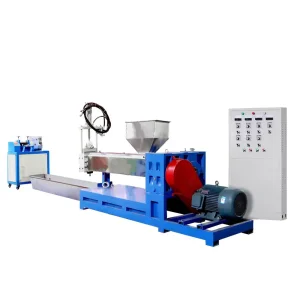
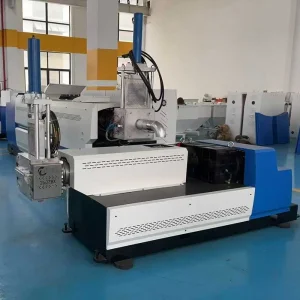
This technical whitepaper examines how modern China Plastic Agglomerator Factories engineered high-speed, thermomechanical friction agglomerators (densifiers) to bridge the gap between bulky plastic scrap and high-efficiency pelletizing lines. By harnessing mechanical shear force and kinetic friction, a plastic agglomerator rapidly converts thin film scraps and filament waste into high-density, semi-crystallized, free-flowing irregular granules with a bulk density exceeding 0.35 g/cm³ to 0.55 g/cm³—without degrading the polymer's thermal or molecular history.
High-speed rotating blades operating at 800–1200 RPM generate intense internal kinetic friction against stationary stator blades. Polymer molecules reach softening point (vicat softening temperature) in seconds, eliminating the requirement for external thermal heating elements.
At the exact instant of polymer softening, a micro-metered dose of cold water is injected into the pot chamber. Flash vaporization instantly cools the mass, causing the softened polymer to collapse and break into dense, non-sticky uniform granules.
The sudden thermal contraction and rapid expansion of steam (flash water shock) drives surface and absorbed moisture out of the polymer structure, reducing moisture content from up to 8% down to under 0.5% prior to extrusion.
Understanding the metallurgical, mechanical, and economic superiority of sourcing plastic densifying agglomerators from leading Chinese manufacturers and OEM exporters.
Over the past two decades, China’s polymer machinery manufacturing sectors—centered in Zhejiang, Jiangsu, and Shandong industrial hubs—have evolved from equipment assemblers to world-class innovators in size reduction and thermomechanical recycling systems. Leading China Plastic Agglomerator Exporters integrate advanced CAD/CAM rotor balancing, premium alloy metallurgy, and intelligent PLC automation to deliver heavy-duty agglomerators engineered for continuous 24/7 operation.
| Performance & Engineering Vector | China Top Tier OEM Agglomerator | Legacy European Equipment | Operational Impact & ROI Advantage |
|---|---|---|---|
| Pot Chamber Metallurgy | SUS 304 Stainless Steel / Heavy Wall Wear-Resistant Alloy Coating | Standard Carbon Steel with Internal Liner | Zero rust contamination; 3x extended chamber service life under wet scrap processing. |
| Rotor & Stator Blade Material | SKD-11 / Cr12MoV / Vacuum Heat-Treated D2 Tool Steel (HRC 58-62) | Standard High-Carbon Alloy Steel | Extended blade sharpness retention, reduced sharpening downtime by 45%. |
| Drive Transmission Efficiency | Siemens/WEG Motors with VFD & Heavy-Duty Spherical Roller Bearings | Direct Fixed-Speed Induction Drives | Soft-start capability, 18-25% reduction in electrical power spikes per batch. |
| Capital Expenditure (CAPEX) | Optimized Benchmark (High Value ROI) | 300% – 450% Premium Cost | Enables rapid project payback within 6–9 months for recycling enterprises. |
| Customization & Lead Time | 15 to 25 Days Custom Engineering & Shipping Prep | 16 to 24 Weeks Standard Lead Time | Accelerates plant commissioning and capacity expansion timeline. |
A primary failure mode in plastic agglomerator operation is rapid blade dulling caused by residual inorganic abrasives (such as calcium carbonate fillers, sand, or titanium dioxide pigments) found in post-industrial films. Premier Chinese manufacturers utilize vacuum heat-treated SKD-11 tool steel with sub-zero cryogenic treatment (-196°C) to eliminate retained austenite. This specialized heat treatment achieves a matrix hardness of HRC 60-62 while maintaining impact toughness, preventing micro-chipping during high-impact friction cycles.
Rotors are dynamically balanced to ISO 1940 G2.5 precision tolerances, suppressing vibration harmonics and extending shaft bearing life to over 40,000 continuous hours.
Smart touch-screen control panels monitor motor amperage draw, pot temperature gradient, and auto-discharge cycles, removing human error from water-shock timing.
Fabricated from stress-relieved Q235B heavy plate steel with vibration-damping mounting pads, ensuring structural stability under maximum instantaneous torque load.
Automatic pneumatic gate valves open in under 0.8 seconds post-quenching, instantly sweeping dense agglomerate granules into tangential cyclone cooling silencers.
An engineering breakdown of mechanical sub-assemblies, blade geometry configuration, thermal sensors, and drive systems.
The interior pot geometry of a modern plastic agglomerator is engineered with a toroidal vortex contraction angle. As the main shaft rotates the lower flywheel carrying 2 to 6 bottom blades and secondary upper lifting blades, light film waste is drawn downward into the central high-shear zone before being hurled upward along the pot sidewalls in a continuous high-speed cyclonic vortex.
Key architectural specifications include:
| Parameter | Medium Model (AG-600) | Heavy Duty (AG-800) |
|---|---|---|
| Drive Motor Power | 55 kW / 75 HP | 110 kW / 150 HP |
| Pot Diameter | 600 mm | 800 mm |
| Throughput (LDPE Film) | 150 - 250 kg/h | 350 - 550 kg/h |
| Throughput (PP Woven) | 120 - 200 kg/h | 300 - 450 kg/h |
| Rotor Blade Quantity | 2 or 4 Rotors | 4 or 6 Rotors |
| Stator Blade Quantity | 4 or 8 Stators | 8 or 12 Stators |
How international recyclers, masterbatch producers, and extrusion plants integrate Chinese agglomerators into modern automated lines.
Converting post-agricultural LDPE films and LLDPE stretch wraps into uniform densified feedstock. Agglomerated granules feed directly into force-feed extruders without air entrapment or surging.
Heavy raffia and woven polypropylene bags feature high tensile strength. Agglomeration pre-cuts and densifies the tough filaments, eliminating extruder screw torque spikes.
Amorphous PET film trimmings and spunbond non-woven fabrics undergo rapid crystallization and densification, raising bulk density for solid-state polymerization (SSP) prep.
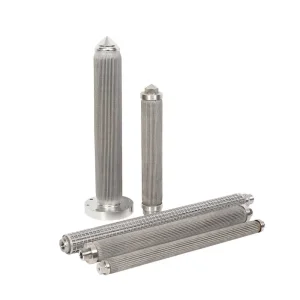
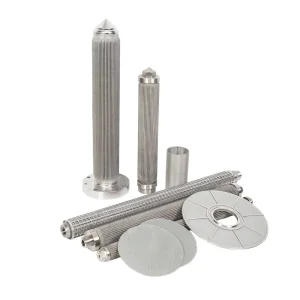
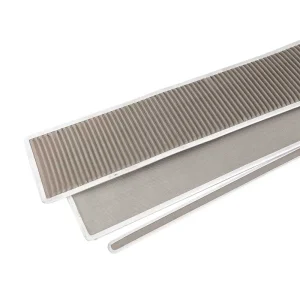
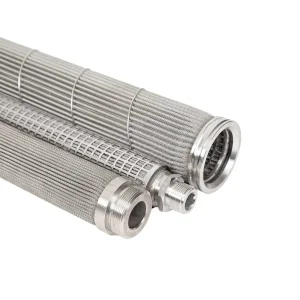
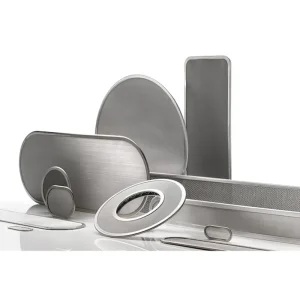
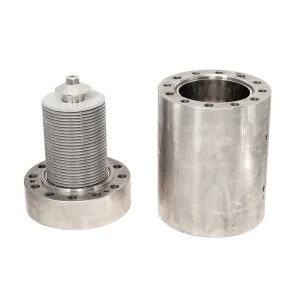
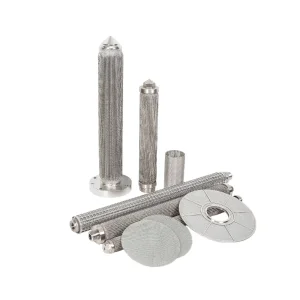
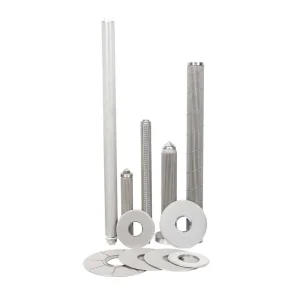
While the plastic agglomerator solves the physical density problem, densified recycled materials contain residual sub-micron gels, degraded oxidized polymer fractions, and microscopic particulate contaminants. Leading plant engineers combine Chinese agglomerating lines with precision downstream melt filtration units—such as SUS 304/316 Polymer Candle Filters, Stainless Steel Pleated Filter Cartridges, and Wire Mesh Extrusion Filters.
By pairing densified agglomerate feeding with advanced multi-layer continuous candle melt filters, recycling plants produce high-purity recycled pellets suitable for demanding applications including thin film blowing, sheet extrusion, and filament spinning.
Authoritative engineering solutions addressing real-world operational, maintenance, and purchasing inquiries.
A plastic granulator uses cold mechanical shear to chop rigid or film plastics into flaked pieces, maintaining low bulk density. A plastic agglomerator uses high-speed friction to generate thermal energy, bringing flexible plastics to their softening threshold before rapid water-quenching, transforming fluffy films into solid, high-density granules.
Water shock quenching injects a precisely timed micro-burst of cold water at the exact moment kinetic friction softens the plastic. The water instantly vaporizes into steam, absorbing latent heat and rapidly dropping the batch temperature below the polymer's thermal degradation point, preserving melt flow index (MFI) and intrinsic viscosity (IV).
When processing clean post-industrial film, SKD-11 blades typically operate 120–160 hours before requiring resharpening. For contaminated post-consumer scrap with sand or mineral fillers, resharpening intervals shorten to 40–80 hours. Utilizing tungsten-carbide hard-faced blade edges extends longevity by up to 300%.
Yes. Chinese agglomerators feature customizable VFD speed controllers and programmable PLC temperature thresholds. Operators can select predefined recipes for LDPE (softening ~110°C), PP (~150°C), or PET (~230°C), adjusting friction speed and water quenching parameters automatically.
Leading factories utilize computerized dynamic balancing machines (ISO 1940 G2.5 standard). Heavy-duty shafts are turned from 40Cr alloy steel, stress-relieved via high-temperature tempering, and mounted on oversized SKF or NSK spherical roller bearings housed in cast iron bearing blocks.
For high-quality pelletizing or fiber spinning, downstream extruders should be fitted with continuous screen changers equipped with SUS304/316 sintered pleated candle filter cartridges or leaf disc filters capable of capturing contaminants down to 20–50 microns.