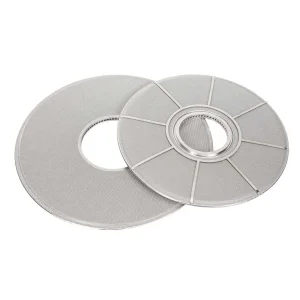
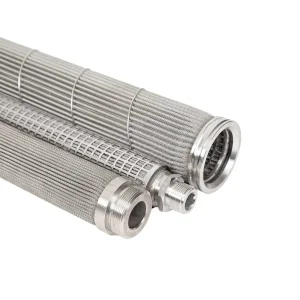
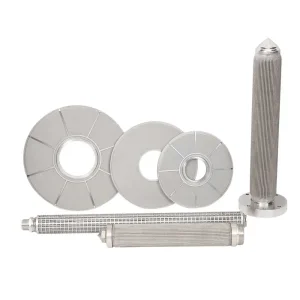
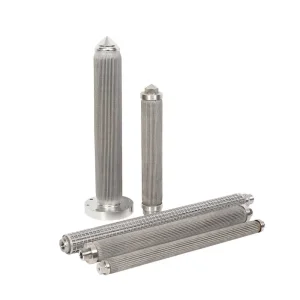
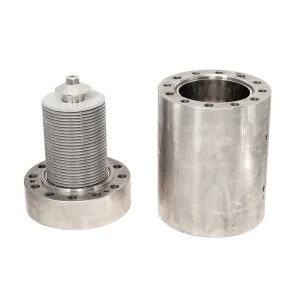
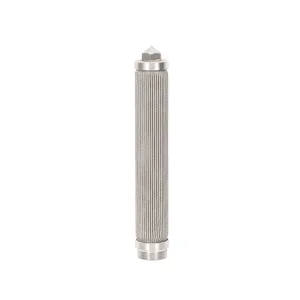
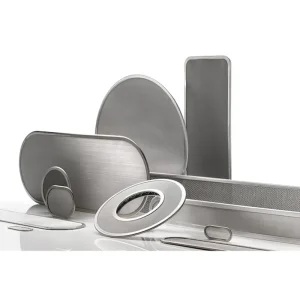
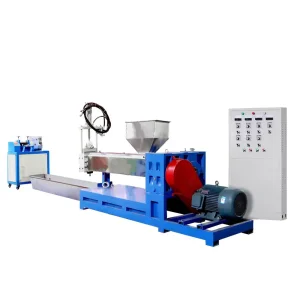
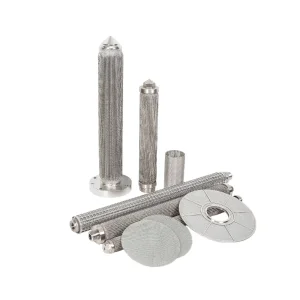
Engineered specifically for extreme extrusion pressure, high melt viscosities, and continuous mechanical operation in PET recycling lines.
The global mechanical recycling ecosystem is undergoing a fundamental structural transition. Driven by stringent international sustainability directives—such as the European Union’s Packaging and Packaging Waste Regulation (PPWR) mandating at least 25% recycled content in PET beverage bottles by 2025 and 30% by 2030—the demand for post-consumer recycled polyethylene terephthalate (rPET) has shifted from low-tier staple fiber applications to high-purity, food-contact grade Bottle-to-Bottle (B2B) circular systems.
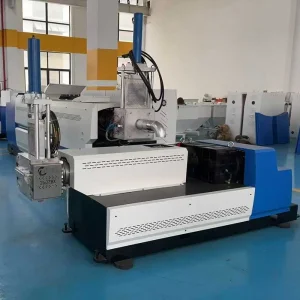
At the center of this circular economy value chain lies the mechanical breakdown stage: the heavy-duty industrial Bottle Flakes Shredder. Unlike standard plastic crushers designed for soft polyolefins, engineered PET bottle shredders are built to process highly rigid, hollow, post-consumer baled bottles containing variable contaminants (such as polyolefin caps, PP ring seals, PVC labels, aluminum caps, and residual siliceous dirt).
Global demand for premium rPET flakes exceeds 12.5 million metric tons annually. High-capacity shredding mills are required to deliver clean flake dimensions (8–12mm) with minimal thermal degradation.
Shred flake geometry directly impacts washing efficiency and melt filtration. Inconsistent shred size increases extrusion torque fluctuations and clogs polymer candle/disc filters prematurely.
Utilizing high-efficiency single and dual-shaft shredders optimized for lower kW per ton reduces scope 1 and scope 2 emissions, ensuring regulatory compliance across global markets.
As premier Chinese OEM bottle flakes shredder manufacturers and exporters, our engineering design focuses on overcoming the primary mechanical failure points in high-volume recycling plants: rapid blade wear from abrasive sand, shaft deflection under heavy shock loads, and high fines generation (<2mm dust) which causes severe material loss during friction washing cycles.
Exploring the metallurgical and kinematic innovations behind zero-unscheduled-downtime PET flake reduction machinery.
Constructed using high-alloy D2 (Cr12MoV) or SKD-11 cold-work tool steel. Vacuum heat-treated to 58–62 HRC, providing exceptional abrasion resistance against silica contaminants while maintaining core toughness against tramp metal impact.
Featuring a patented V-shaped staggered knife arrangement. This rotor cutting profile forces baled bottles toward the rotor center, preventing material packing along housing side-walls, reducing power spikes by 28%.
Integrated proportional hydraulic pushers with load-sensing automatic reversal. When rotor torque reaches preset thresholds due to dense bottle bales, the ram automatically retreats before re-engaging.
How our OEM Bottle Flakes Shredders interface seamlessly with continuous polymer filtration machinery:
Industrial recycling challenges vary significantly depending on regional waste management infrastructure, local labor costs, and downstream product specifications. As a global exporter, our OEM manufacturing tailored solutions address distinct operating conditions across key markets:
North American PET bales often feature high concentrations of full-body PVC shrink sleeves and heavy aluminum caps. Our shredders integrated with sensor-based optical sorting lines feature ultra-quiet, slow-speed dual-shaft pre-shredding to release trapped caps without pulverizing them into unseparable micro-dust.
EU operators demand minimal Intrinsic Viscosity (IV) loss during recycling. Our water-cooled rotor shredders reduce friction-induced frictional heating during the reduction phase, preserving polymer chain length prior to solid-state polymerization (SSP).
In regions where post-consumer bottles are collected from unpaved landfills, grit contamination causes severe blade abrasion. We equip these machines with replaceable Hardox 500 armor wear plates inside the cutting chamber and quick-change cutter blocks.
Pioneering smart machinery, predictive wear diagnostics, and low-energy size reduction architectures.
Real-time acoustic emission and vibration sensors embedded in bearing houses to predict knife dullness and prevent catastrophic shaft failures.
Transitioning to laser-cladded tungsten carbide knife edges, extending continuous cutting operational life by up to 400% in dirty bottle environments.
Replacing traditional gearbox and hydraulic couplings with high-torque direct-drive PM motors, slashing energy consumption by 22% per processed ton.
Automated hydraulic micro-adjustment of bed knives during operation to maintain optimal 0.25mm shear gap regardless of thermal expansion.
Engineering insights for plant managers, procurement specialists, and recycling system integrators.
Explore our full OEM manufacturing range engineered for plastic pelletizing, extrusion, and chemical fiber filtration.
Contact our senior technical engineering team today to request detailed machine specifications, CAD layout consultations, or custom melt filter element OEM quotations.
Request Technical Inquiry & Quote