High-precision mesh wire elements and polymer melt filtration hardware engineered to order.
An authoritative analysis of continuous polymer processing, fluid dynamic demands, and market trajectory across global manufacturing hubs.
In modern industrial melt filtration, wire mesh screens act as the critical defense barrier against particulate contamination, un-melted gel clusters, and degraded polymer debris. In processes operating under extreme hydraulic pressures (exceeding 300 Bar) and elevated thermal environments (up to 350°C), precise wire cloth engineering prevents nozzle blockage in fiber spinning packs, surface defects in optical film lines (BOPET/BOPP), and mechanical strain on continuous screen changers.
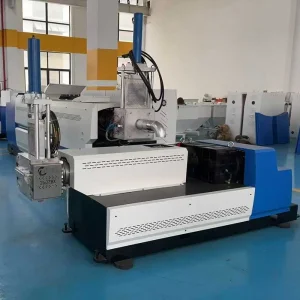
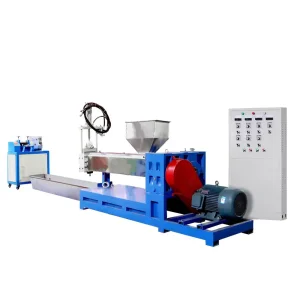
The worldwide transition toward a circular economy has dramatically increased reliance on Post-Consumer Recycled (PCR) and Post-Industrial Recycled (PIR) resins. Recycled feeds introduce severe contamination variances—including aluminum flakes, wood fiber, and paper residue. OEM mesh wire filter manufacturers are tasked with engineering multi-layer rimmed screen packs and auto-backwashing mesh belts capable of handling high dirt-holding capacities while maintaining zero yield loss.
Technical specifications comparing weave geometries, material alloys, and structural performance under extreme operational parameters.
| Weave Architecture | Material Grade | Micron Absolute Rating | Flow Resistance (ΔP) | Primary Industrial Use Case |
|---|---|---|---|---|
| Plain Square Weave | SUS 304 / 316 | 150 µm – 500 µm | Very Low | Coarse polymer virgin melt prep, trash screen changers |
| Plain Dutch Weave (PDW) | AISI 316L Stainless Steel | 25 µm – 120 µm | Moderate | High-pressure hydraulic screening, polymer film melt |
| Twill Dutch Weave (TDW) | 316L / Hastelloy C-276 | 5 µm – 40 µm | Moderate to High | Chemical fiber melt spinning (Spunbond nonwovens) |
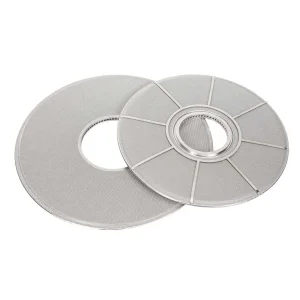
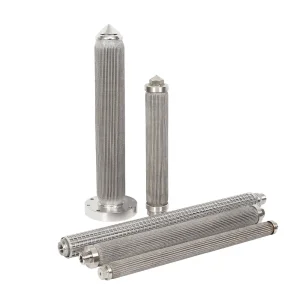
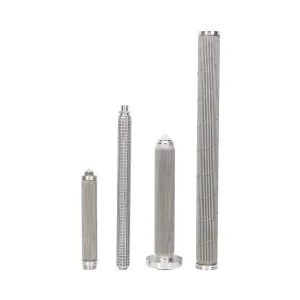
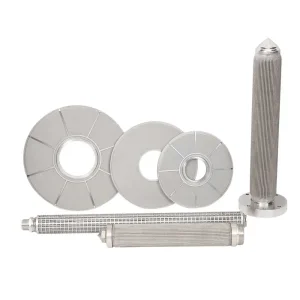
| Sintered Wire Mesh (Multi-Layer) | 316L Diffusion Bonded | 1 µm – 25 µm | Controlled / Uniform | Polymer candle filters & Leaf disc filter elements |
| Sintered Metal Fiber Felt | Random 316L Micro-Fibers | 3 µm – 60 µm | Extremely Low (High Porosity) | BOPET/BOPP ultra-thin optical film extrusion lines |
By subjecting multi-layer woven wire mesh combinations to high-temperature vacuum sintering, individual wire intersection points form atomic bonds. This process eliminates wire migration, fixes pore geometry permanently, and allows cleanability via ultrasonic bath or pyrolysis burning without compromising media integrity.
We utilize low-carbon AISI 316L for maximum intergranular corrosion resistance during polymer melt processing. For corrosive fluoropolymers (PTFE/PVDF) or acidic chemical reactions, specialty alloys including Hastelloy C-276, Inconel 600, and Monel 400 are wire-drawn to sub-micron tolerances.
High pressure drop (ΔP) across screen changers leads to thermal degradation of polymer chains (shear thinning/cracking). Our customized mesh layer stacking (coarse support -> fine filtration -> coarse drainage) optimizes hydraulic permeability while maintaining strict gel-retention benchmarks.
Why leading global original equipment OEMs partner with specialized Zhejiang filtration manufacturing hubs like Pujiang HG Machinery.
Located in the Zhejiang manufacturing cluster, China OEM factories benefit from immediate access to ultra-fine wire drawing, precision stamping dies, automated ultrasonic cleaning facilities, and vacuum heat-treatment plants within a 50km radius. This geographic concentration reduces production lead times by up to 60% compared to Western manufacturers.
Modern Chinese filtration production lines integrate automated laser welding, high-speed CNC spot welding, and robotic rim encapsulation. Over 20 years of iterative engineering ensures uniform spot weld strength, zero wire fraying, and strict dimensional tolerances (+/-0.15mm) required for automated continuous screen changers.
By leveraging optimized economies of scale, vertical raw material purchasing, and lean manufacturing practices, Chinese manufacturers offer Tier-1 quality filter elements at competitive unit economics. This enables global operations to maintain frequent filter replacement schedules, preserving downstream equipment integrity while drastically lowering TCO.
Customized filter configurations tailored to specific continuous manufacturing processes.
Operating Environment: High viscosity (100–10,000 Pa·s), elevated temperatures (200°C–320°C), continuous pressure differentials.
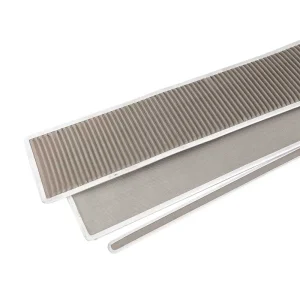
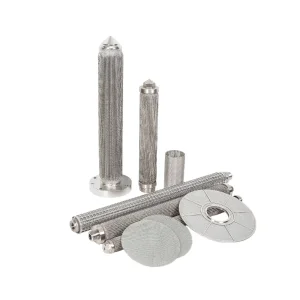
Recommended Filter Solution: Multi-layer circular screen packs (spot welded or aluminum/copper rimmed), continuous belt screen changers (reverse Dutch weave).
Technical Impact: Eliminates gel black spots, streak lines in transparent sheet extrusion, and prevents melt pump wear.
Operating Environment: Ultra-fine spinneret orifice protection, micro-particle retention, high burst pressure.
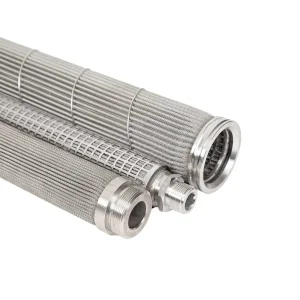
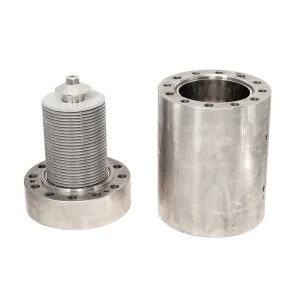
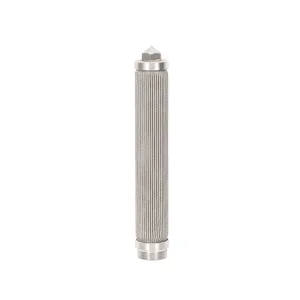
Recommended Filter Solution: Pleated sintered stainless steel wire mesh filter cartridges and high-surface-area candle filter elements.
Technical Impact: Protects multi-filament spinnerets from clogging, prevents filament breakage during high-speed drafting, and extends pack life cycles.
Operating Environment: Heavily contaminated feeds (paper, metal, un-melted cross-linked polymers).
Recommended Filter Solution: Heavy-duty single or multi-layer stainless steel wire mesh discs, continuous hydraulic screen changers.
Technical Impact: Maintains continuous melt output during high contamination surges, ensuring clean, uniform recycled pellets.
Operating Environment: Corrosive chemical solvents, high temperature chemical reactions, liquid-solid slurry separation.
Recommended Filter Solution: Sintered multi-layer mesh leaf discs (hard-rim sealed) and custom cylindrical filter strainers.
Technical Impact: Recovers valuable catalysts, clarifies chemical monomers, and withstands harsh inline chemical backwashing.
Key technological innovations shaping the next decade of fluid separation and polymer engineering.
As optical film specifications (such as micro-LED substrates and solar PV encapsulants) demand zero microscopic imperfections, mesh wire manufacturers are developing hybrid sintered structures that combine micro-fiber felt with Dutch weave mesh, achieving sub-micron filtration efficiency down to 0.5 microns.
With rising raw material costs, single-use filter discs are increasingly replaced by heavy-duty, reusable 316L sintered leaf discs designed for repeated pyrolytic furnace cleaning and automated ultrasonic regeneration, cutting operational filter expenses over 40% annually.
Integration of digital IoT pressure sensor arrays along melt channels allows real-time tracking of filter cake build-up. AI predictive modeling matches differential pressure curves with screen mesh specifications to automatically trigger continuous screen changers exactly before melt degradation occurs.
Essential engineering parameters procurement managers must evaluate when qualifying mesh filter factories.
Tier-1 OEM mesh wire suppliers must provide verifiable batch certifications for:
Look for factories capable of executing full ODM custom tooling, including:
Explore our complete catalog of OEM mesh wire filters, candle cartridges, and recycling machinery.
Expert answers to standard technical questions asked by filtration engineers and industrial procurement teams.
A Nominal rating indicates the capability of the filter screen to trap a given percentage of solid particles of a designated size (typically 60% to 80%). An Absolute rating represents the diameter of the largest hard spherical particle (measured in microns) that will pass through the filter wire mesh under standardized laboratory test conditions (such as the Bubble Point Test ISO 4003). For critical applications like polymer film extrusion or synthetic fiber spinning, Absolute micron ratings are required to prevent pipe clogging and fiber breakage.
While AISI 304 offers good mechanical strength and basic corrosion resistance, AISI 316L contains molybdenum (2-3%) and lower carbon content (<0.03%). This metallurgical composition significantly enhances resistance to intergranular corrosion, pitting in halide environments, and chemical degradation caused by additive additives present in polymer melts operating continuously at temperatures between 250°C and 350°C.
Multi-layer screen packs combine different mesh sizes (e.g., a fine filtration layer sandwiched between coarse support and drainage mesh layers). Precision spot welding or rim encapsulation (using soft aluminum or copper seals) fixes the individual layers into a rigid unit. This construction prevents individual wire shifting under extreme differential pressures (ΔP up to 250 Bar), preventing melt channeling around the perimeter and ensuring zero unfiltered bypass.
Simple single-layer wire cloth discs are often treated as disposable due to low unit cost. However, high-value sintered wire mesh elements, leaf discs, and pleated candle filter cartridges engineered by OEM factories are designed for multiple cleaning cycles. They can be rejuvenated using TEG (Triethylene Glycol) bath boiling, vacuum pyrolysis burning ovens, or ultrasonic chemical baths to dissolve trapped polymer resins, restoring up to 95% of initial permeability.
To generate accurate tooling and production quotes, factories require: (1) Outer diameter / inner diameter dimensions, (2) Mesh layer sequence and wire diameter specs or desired micron rating, (3) Border rim material (aluminum, copper, stainless steel, or unrimmed), and (4) Operating conditions (polymer type, temperature, pressure differential). Step files (.STEP, .DWG) or physical samples speed up custom die fabrication.
Every batch undergoes rigorous quality control under ISO 9001 certified protocols. Wire cloth undergoes optical mesh inspection for aperture uniformity, followed by automated laser stamping and pneumatic pressure differential testing. Sample retention and full material traceability certificates (3.1 chemical analysis) accompany every export shipment worldwide.