The global plastics manufacturing landscape is undergoing a systemic paradigm shift driven by stringent ESG (Environmental, Social, and Governance) mandates, regulatory enforcement such as the EU Single-Use Plastics Directive, and mandatory Post-Consumer Recycled (PCR) plastic quotas. Consequently, sourcing high-efficiency, enterprise-grade Wholesale Plastic Recycling Lines from leading OEM factories has transitioned from an operational sustainability metric to a core strategic imperative for modern petrochemical processing, packaging production, and synthetic textile operations.
Achieving true circular economy integration requires overcoming the fundamental engineering bottleneck of mechanical plastic recycling: thermal and shear-induced polymer degradation combined with cross-contamination from solid particulate inclusions. Industrial recycling machinery must maintain structural melt homogeneity, manage variable Melt Flow Index (MFI) characteristics, and systematically remove micron-scale contaminants without inducing catastrophic pressure drops across continuous melt delivery channels.
China has solidified its position as the world's primary manufacturing hub for industrial plastic machinery and advanced stainless steel filtration elements. Factories located in specialized industrial clusters like Pujiang, Zhejiang, integrate complete end-to-end supply chains—ranging from raw metallurgy (SUS 304, SUS 316L, Hastelloy) to vacuum sintering furnaces, automated CNC laser drilling, and ultrasonic cleanroom assembly.
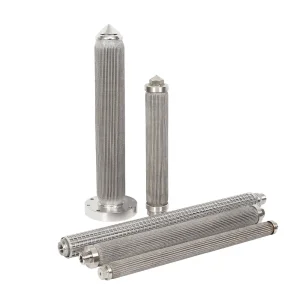
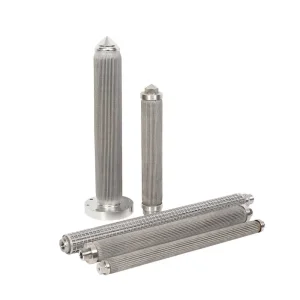
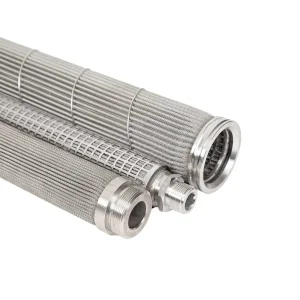
Leading Chinese manufacturers utilize multi-layer sintered stainless steel wire mesh and non-woven metal fiber felt. This structural design provides up to 80% porosity, delivering high dirt-holding capacity while resisting compaction under extreme viscous melt pressures.
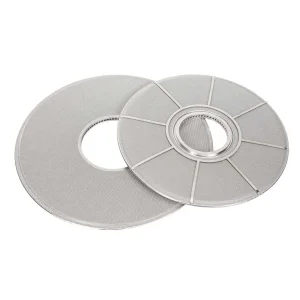
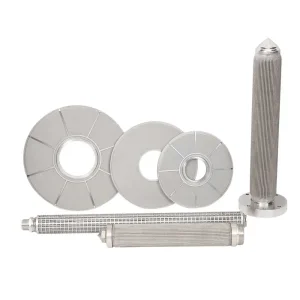
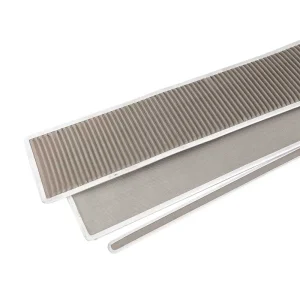
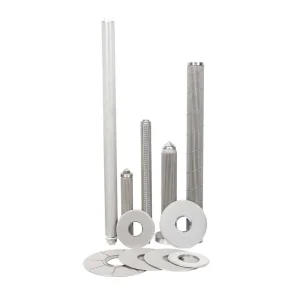
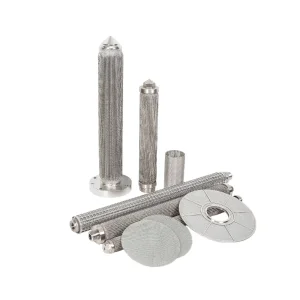
Direct factory sourcing eliminates intermediary markups. By standardizing high-demand items like SUS 304 Candle Filters, Leaf Discs, and Screen Mesh elements, buyers secure lower Total Cost of Ownership (TCO) with robust replacement guarantees.
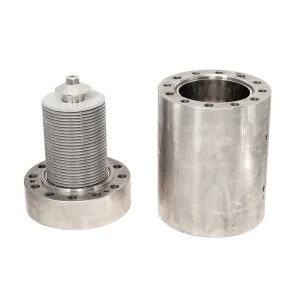
Whether retrofitting legacy European extruders or deploying customized continuous hydraulic screen changers, Chinese OEM factories deliver rapid CAD prototyping, customized mesh weave patterns, and bespoke structural flange dimensions.
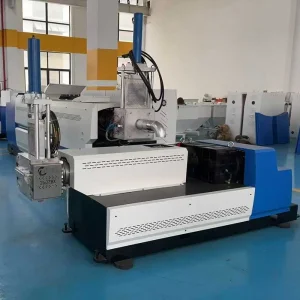
A complete plastic recycling pelletizing system consists of several synchronized mechanical sub-systems designed to transform post-industrial scrap (sprues, trim, off-spec film) or post-consumer waste (bottle flakes, agricultural film, woven bags) into uniform, high-purity plastic granules.
| Filter Element Type | Structural Metallurgy | Filtration Micron Range | Primary Industrial Application | Cleanability / Reusability |
|---|---|---|---|---|
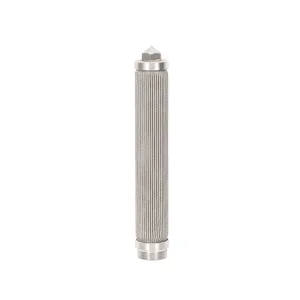
| Polymer Candle Filter | SUS 304 / 316L Sintered Mesh / Wire Cloth | 5 μm – 150 μm | Spunbond Nonwovens, High-Viscosity Melt Spinning | High (Chemical / Calcination Cleaning) |
| Leaf Disc Filter | Multi-Layer Sintered Wire Felt | 3 μm – 100 μm | BOPP, BOPET Film Extrusion Lines | Ultra-High (Ultrasonic & Solvent Wash) |
| Extruder Screen Mesh | SUS 304 Woven Wire Mesh Packs | 20 μm – 500 μm | Standard PE/PP Pelletizing & Recycling | Disposable / Continuous Belt Auto-Changer |
| Pleated Melt Cartridge | Stainless Steel Fiber Felt (316L) | 1 μm – 60 μm | Petrochemical Refining, Polycondensates | Medium to High (Backflushing Capable) |
In nonwoven fabric production, even sub-micron gels can cause filament breakage at high spinning speeds. Utilizing customized SUS 304 Pleated Candle Filter Cartridges ensures continuous melt purity, preventing downtime and maintaining web uniformity.
High-clarity optical and packaging films require ultra-low shear stress and zero particulate inclusions. Polymer Leaf Disc Filters offer streamlined flow channels that eliminate dead zones, preventing thermal degradation of delicate polyesters.
Post-consumer agricultural films and rigid drum regrind carry heavy dirt loads. Heavy-duty China Plastic Recycling Lines equipped with multi-plate hydraulic screen changers and coarse-to-fine mesh packs ensure continuous, non-stop operation.
When evaluating wholesale suppliers and factories for polymer recycling lines and melt filter elements, global procurement teams must audit suppliers against strict technical criteria to mitigate operational risks:
Demand official alloy certificates (e.g., Spectrographic Analysis verifying SUS 304 or 316L chemical compositions). Substandard stainless steel degrades under high temperature melt processing, leading to catastrophic screen collapse.
Verify absolute micron ratings via ISO 4003 Bubble Point testing. Precise pore size control prevents particle bypass, protecting spinnerets and fine film dies downstream.
High-viscosity polymers like PET or PA generate massive pressure differentials (ΔP). Candle filter cores and leaf discs must withstand upwards of 210–250 bar pressure differential without structural deformation.