The Democratic Socialist Republic of Sri Lanka is undergoing an unprecedented structural transition in its waste management ecosystem. With an estimated daily generation of over 7,000 metric tons of municipal solid waste (MSW)—of which plastic waste accounts for roughly 10% to 15%—the island nation faces an imperative demand for high-capacity, heavy-duty plastic recycling machinery. Commercial hubs such as Colombo, Gampaha, and Kalutara generate the highest concentration of post-consumer polyolefins (PP/PE) and polyethylene terephthalate (PET). Simultaneously, major industrial zones governed by the Board of Investment (BOI) of Sri Lanka—including Katunayake, Biyagama, and Horana—produce substantial volumes of post-industrial garment synthetic trims, film cut-offs, and rigid container waste.
Historically reliant on landfilling and low-value open recycling, Sri Lanka’s Central Environmental Authority (CEA) alongside the Ministry of Environment has enforced strict regulatory mandates. The implementation of the National Action Plan for Plastic Waste Management (2021–2030) and Extended Producer Responsibility (EPR) models has compelled local packaging converters, FMCG brands, and recycling enterprises to upgrade their mechanical processing infrastructure. To achieve high-purity resin output capable of displacing expensive virgin polymer imports, Sri Lankan recycling firms are increasingly turning to top-tier international OEMs for advanced pelletizing extruders, friction washing plants, and precision melt filtration systems.
Processing locally sourced Sri Lankan plastic waste involves unique challenges: high ambient humidity, elevated levels of organic silica/sand contamination from coastal collection zones, and diverse polymer blends. Standard single-stage extruders often fail under these conditions. Success requires double-stage (mother-baby) pelletizing extruders equipped with dual vacuum degassing zones and high-area continuous wire mesh or candle melt filters.
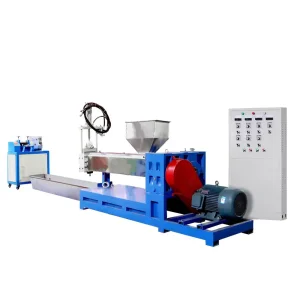
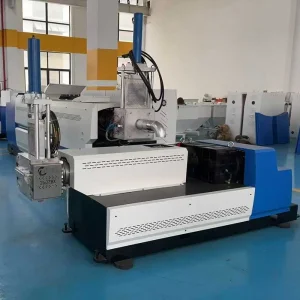
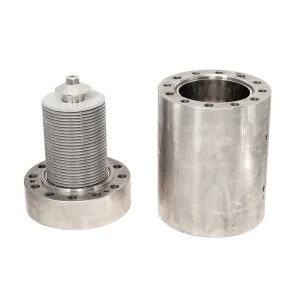
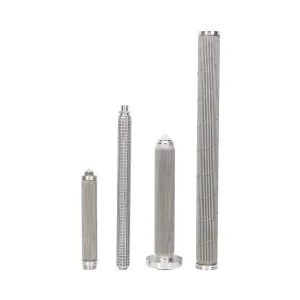
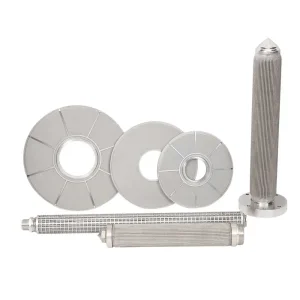
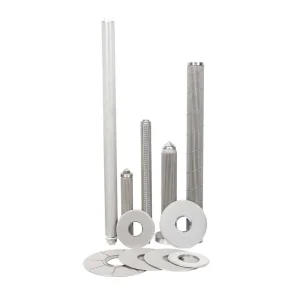
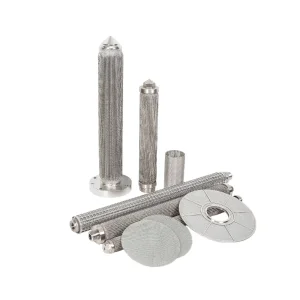
As a prominent global manufacturer of polymer filtration media and plastic recycling equipment, Pujiang HG Plastic Machinery Co., Ltd. provides engineered solutions specifically adapted to the Sri Lankan operational environment. Our heavy-duty single and double-stage pelletizing lines, combined with stainless steel SUS 304/316L candle filters and leaf disc elements, provide local recyclers with the thermal stability, melt homogeneity, and particulate retention necessary to produce premium-grade recycled plastic granules (rPET, rHDPE, rLDPE, rPP).
Extruder barrels feature multi-zone ceramic heating units and forced-air cooling systems designed to maintain stable melt viscosity despite tropical ambient conditions in Sri Lanka.
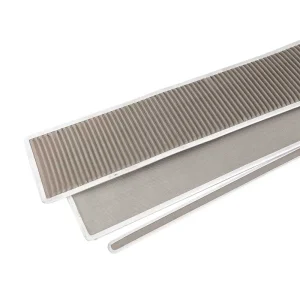
Incorporates multi-layer hydraulic screen changers and high-capacity candle filter cartridges that eliminate paper labels, sand, particles, and degraded gels without stopping production.
Equipped with heavy-duty Siemens/Schneider electrical components and VFD drives built to withstand industrial voltage fluctuations common in developing manufacturing hubs.
The global plastic recycling industry is undergoing a paradigm shift from low-grade downcycling to closed-loop circular upcycling. Historically, recycled plastic melt suffered from molecular weight degradation, thermal oxidation, and high particulate contamination. However, recent developments in polymer melt filtration technology—specifically high-surface-area candle filter cartridges and continuous leaf disc filters—have enabled recyclers to achieve filtration fineness down to 15 to 25 microns.
In modern extrusion setups, the filtration system acts as the critical barrier protecting downstream equipment (such as spinning nozzles, film dies, or blow molding units) while guaranteeing the mechanical properties of the end product. Below is an engineering comparison of primary melt filtration media used in contemporary plastic pelletizing and fiber production lines:
| Filtration Technology Type | Filtration Rating Range | Effective Filtration Area | Pressure Drop (ΔP) Characteristics | Best Suited Application in Recycling |
|---|---|---|---|---|
| Standard Wire Mesh Screens | 80µm - 500µm | Low (Flat Surface) | Rapid build-up; frequent manual or hydraulic screen changes required | Coarse primary recycling of rigid HDPE drums, urban PP waste crates |
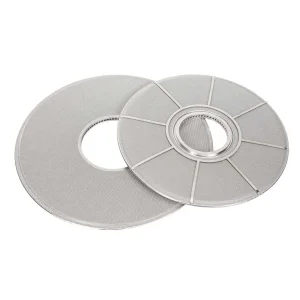
| Multi-Layer Sintered Wire Mesh Discs | 40µm - 150µm | Medium (Flat/Pack structure) | Moderate; stable flow dynamics with stepped pore structure | Blown film recycling, PP woven sack granulating lines |
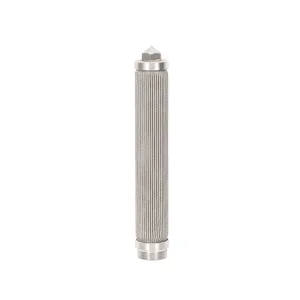
| Polymer Candle Filter Cartridges | 10µm - 100µm | Very High (Pleated cylindrical geometry) | Low ΔP; extended on-stream operational lifespan before cleaning | BOPP/BOPET film trim recovery, PET bottle flake pelletizing, chemical fiber melt spinning |
| Segmented Leaf Disc Filter Assemblies | 5µm - 60µm | Ultra High (Stacked disc arrangement) | Minimal ΔP; optimal flow distribution preventing melt stagnation | High-purity optical grade polycarbonate, ultra-thin packaging film recycling |
For industrial operators in Sri Lanka seeking long-term operational profitability, understanding the equipment evolution roadmap is essential for making capital investment decisions:
Location: Katunayake, Seethawaka, Biyagama Export Processing Zones.
Raw Material: Polyester (PET) fabric selvedges, Nylon (PA6/PA66) cutting waste, and elastane blends from Sri Lanka’s world-class apparel manufacturing sector.
Machinery Solution: High-torque single-screw extruders integrated with multi-stage vacuum degassing ports and SUS 316L pleated candle filter elements (25–40µm rating) to remove textile spin finishes and fine particulate matter, producing high-viscosity recycled pellets for fiber re-spinning.
Location: Negombo, Jaffna, Hambantota Coastal & Agricultural Belts.
Raw Material: Degrading HDPE monofilament fishing nets, PP woven sacks, and LDPE greenhouse mulch films contaminated with salt, algae, and abrasive sand particles.
Machinery Solution: Heavy-duty shredding and wet-granulation lines paired with double-stage pelletizing systems. Utilizes continuous dual-piston screen changers with stainless steel square mesh or dutch weave wire mesh filters to continuously discharge high sand loads without interruption.
Location: Colombo Metro Area & Kandy Municipal Distributorships.
Raw Material: Post-consumer PET beverage bottles, milk bottles (HDPE), and rigid PP food containers collected via municipal waste recovery points.
Machinery Solution: Water-ring pelletizing systems equipped with advanced melt homogenization gear pumps and leaf disc melt filtration assemblies. Ensures uniform pellet geometry, zero void creation, and excellent color stability for blow molding applications.
Investing in industrial-grade plastic recycling machinery in Sri Lanka offers compelling financial dividends under current market dynamics. As foreign exchange volatility impacts virgin resin imports, domestic converters pay a premium for consistent, high-purity recycled granules. By deploying Pujiang HG Plastic Machinery’s energy-efficient pelletizing extruders and reusable filter elements, plant operators drastically lower their Levelized Cost of Production (LCOP).
Whether you require a complete 1,000 kg/h plastic pelletizing line or high-precision polymer candle filter replacements for your Sri Lankan factory, our engineering team is ready to assist.
Send Inquiry Now