Engineered for high throughput, heavy contamination handling, and stable pelletizing performance in demanding cold-climate operational environments.
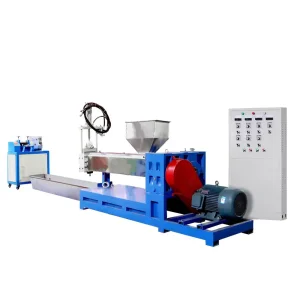
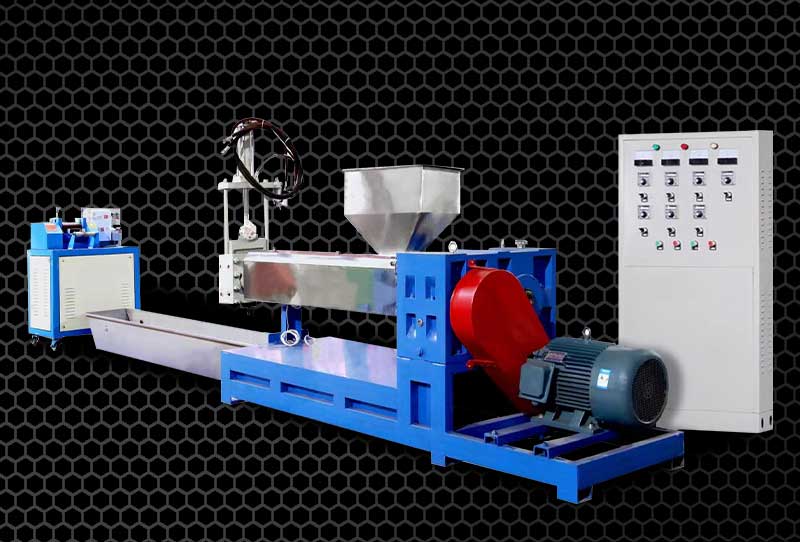
Heavy-duty granulating and pelletizing system designed for continuous processing of PP, PE, ABS, and post-industrial polyolefin waste.
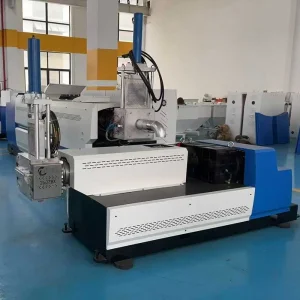
Integrated crushing, washing, and granulating line built to convert complex elastomeric and thermoplastic scrap into high-purity raw material.
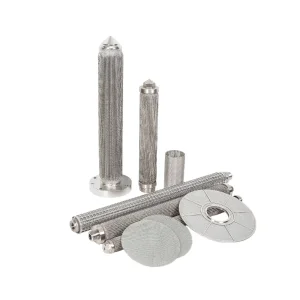
High-surface-area stainless steel pleated filter elements engineered for ultra-fine impurity removal in continuous melt extrusion.
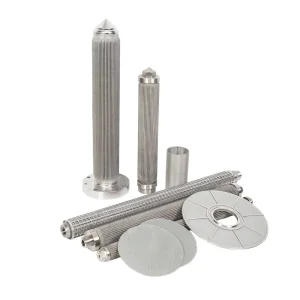
Precision-manufactured Continuous Polymer Filtration (CPF) candle cartridges designed for zero-defect film, fiber, and pellet production.
Navigating feedstock variation, operational logistics, and melt filtration standards in Russia's leading petrochemical manufacturing zone.
Kazan, the capital of the Republic of Tatarstan, occupies a pivotal position at the heart of the Volga Federal District's industrial corridor. Supported by petrochemical giants such as Kazanorgsintez and proximity to the Nizhnekamsk industrial complex, the region processes hundreds of thousands of metric tons of virgin and recycled polyolefins (HDPE, LDPE, PP, LLDPE) and engineering plastics annually. As environmental regulations evolve and circular economy directives gain traction across Eurasian markets, regional converters and recyclers are transitioning from basic scrap disposal to advanced melt reprocessing.
However, processing post-industrial scrap, agricultural films, and municipal solid waste (MSW) in Kazan presents unique engineering hurdles. Feedstocks frequently contain high concentrations of inorganic particulate matter, paper fibers, aluminum foil inclusions, and thermal gels resulting from multiple heat histories. Operating high-capacity pelletizing lines in this region requires machinery that balances extreme mechanical durability, precise temperature control across fluctuating ambient conditions, and robust continuous melt filtration systems capable of running uninterrupted under high differential pressure ($\Delta P$).
Kazan's industrial manufacturing base generates complex multi-layer film waste, woven big-bags, and automotive polymers requiring dual-stage degassing and high-shear screw configurations to eliminate volatiles and moisture.
Severe winter conditions in Tatarstan necessitate heavy-duty barrel insulation, pre-heated oil circulation in hydraulic screen changers, and precise multi-zone PID temperature controllers to prevent melt crystallization.
Rising regional power costs require energy-optimized electromagnetic heating barrels, direct-drive AC motors, and optimized L/D ratio screws (30:1 to 36:1) that maximize output per kilowatt-hour consumed.
Understanding shear stress, residence time, and particulate separation dynamics during continuous polymer pelletizing.
In the global plastic recycling sector, the transition from basic mechanically recycled regrind to high-value circular pellets demands rigorous control over polymer degradation. When polyolefins (PP, PE) or polyesters (PET) undergo re-extrusion, thermal oxidative stress and high shear rates can cause polymer chain scission or cross-linking. This manifests as changes in the Melt Flow Index (MFI), reduced tensile strength, and color yellowing in final molded products.
Standard static breaker plates and manual mesh changers are no longer viable for high-output industrial lines serving Kazan's competitive plastic converting industry. When contaminants accumulate on a filter medium, the differential pressure ($\Delta P$) across the melt pump or screen changer rises rapidly. Uncontrolled pressure spikes induce high shear rates within the extruder barrel, elevating melt temperature above degradation thresholds and causing gel formation.
Pujiang HG Plastic Machinery solves this challenge by integrating CPF Polymer Candle Filters and continuous hydraulic dual-piston screen changers directly into the granulating line architecture. By utilizing 316L sintered stainless steel metal fiber felt and multi-layer woven mesh packs, our systems provide up to 8 times the effective filtration surface area compared to conventional flat filter discs. This expanded filtration area ensures:
Combining complete supply-chain integration, precision metallurgy, and cost-efficient engineering to deliver unmatched ROI for Kazan recyclers.
Located in Zhejiang's industrial hardware belt, HG leverages immediate access to specialized stainless steel wire weaving, precision laser cutting, vacuum sintering furnaces, and heavy CNC machining centers, reducing production lead times to 15–30 days.
All filter media and structural barrels are crafted from certified AISI 304, 316L, or 310S stainless steel alloys. Spectrometric material certification reports accompany every batch, guaranteeing resistance against corrosive polymers and high thermal stress.
Chinese machinery manufacturing yields 40%–60% capital expenditure savings compared to Western European counterparts without sacrificing PLC automation, Schneider/Siemens electrical integration, or precision engineering tolerances.
Tailored machinery configurations engineered for specific polymer scrap streams encountered by Tatarstan recycling enterprises.
Agricultural films harvested from the Volga agricultural zone contain sand, moisture, and soil contamination exceeding 15% by weight. HG configures specialized heavy-duty wet granulators coupled with forced side-feeders and double-vacuum degassing extruders.
Kazan's heavy chemical and fertilizer packaging plants generate tons of scrap polypropylene (PP) woven sacks and flexible intermediate bulk containers (FIBC). Processing high melt-flow PP demands stable thermal control to prevent polymer chain degradation.
Serving the automotive component industrial supply chains in nearby Naberezhnye Chelny and Togliatti, regional plants require high-rigidity regrind processing for automotive bumpers, battery cases, and interior trims.
A systematic breakdown of mechanical sub-systems driving industrial extrusion performance.
Raw plastic scrap is reduced to uniform flakes via single-shaft or dual-shaft heavy-duty crushers. For low-density film waste, our integrated cutter-compactor utilizes rotatory knives to densify and pre-heat the material via frictional energy, feeding it directly into the extruder screw at a constant temperature without bridging.
Featuring 38CrMoAlA nitrided steel or bimetallic alloy screws, our extruders maintain high shear efficiency while protecting melt structure. Double-stage vacuum degassing ports equipped with liquid-ring vacuum pumps extract moisture, residual inks, low-molecular volatiles, and trapped air from the plastic melt prior to filtration.
The heart of output purity: continuous dual-piston hydraulic screen changers or CPF polymer candle filter vessels remove residual unmelted gels, wood fibers, and metallic trace particles. Filter media options range from stainless wire mesh packs to sintered SUS316L fiber cartridges with filtration precision down to 5 microns.
Melt exiting the die plate is sliced by pneumatic-adjusted cutter blades. Pellets enter a high-velocity water ring or underwater water channel for instant solidification, followed by centrifugal dewatering and air-jet conveyance into stainless storage silos ready for bagging.
Engineering parameters for standard high-output PE/PP/PS/ABS pelletizing production lines.
| Model Series | Screw Diameter (mm) | L/D Ratio | Output Capacity (kg/h) | Filtration Type | Installed Power (kW) |
|---|---|---|---|---|---|
| HG-PEL-80 | 80 mm | 30:1 – 34:1 | 150 – 250 kg/h | Hydraulic Board / Screen Pack | 55 – 75 kW |
| HG-PEL-100 | 100 mm | 32:1 – 36:1 | 250 – 400 kg/h | Dual Piston Continuous Changer | 90 – 110 kW |
| HG-PEL-130 | 130 mm | 32:1 – 36:1 | 500 – 700 kg/h | CPF Candle Filter / Leaf Disc Stack | 132 – 160 kW |
| HG-PEL-160 | 160 mm | 34:1 – 38:1 | 800 – 1200 kg/h | Multi-Column Continuous CPF System | 200 – 250 kW |
| HG-PEL-180 | 180 mm | 36:1 | 1200 – 1600 kg/h | High-Area Sintered Leaf Disc System | 280 – 315 kW |
Ensuring seamless international logistics, EAC certification readiness, and verified metallurgy standards.
Equipment exported to Russia and Eurasian Economic Union (EAEU) nations complies with technical regulations including TR CU 010/2011 (Machinery Safety) and TR CU 004/2011 (Low Voltage Equipment), complete with CE and ISO 9001 documentation.
Every batch of polymer candle filters and leaf discs undergoes rigorous bubble-point testing according to ISO 4003 and hydraulic pressure drop verification to confirm pore size distribution and zero seam defects.
Machinery is packaged in seaworthy wooden crates with anti-corrosion vacuum wrapping. We provide comprehensive FAT (Factory Acceptance Testing), remote installation guidance, and rapid spare parts dispatch.
Browse our complete range of stainless wire mesh filters, candle cartridges, and specialized pelletizing equipment.
Multi-layer rimmed and spot-welded wire mesh filter discs engineered for smooth breaker plate fitting and reliable melt filtration.
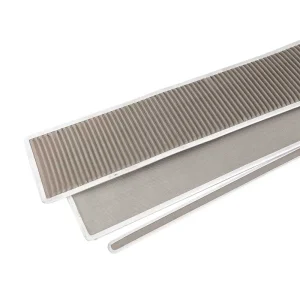
Precision woven stainless steel screen mesh belts and circular packs designed for continuous screen changers in plastic recycling.
Specialized PP recycling extruder featuring double vacuum venting and water-ring die-face pelletizing for high MFI resins.
Custom geometry stainless steel mesh elements tailored for high-temperature and high-pressure extrusion breaker plates.
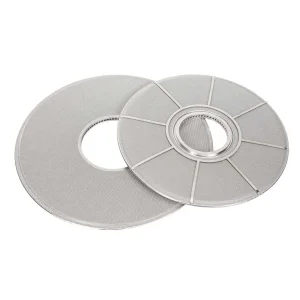
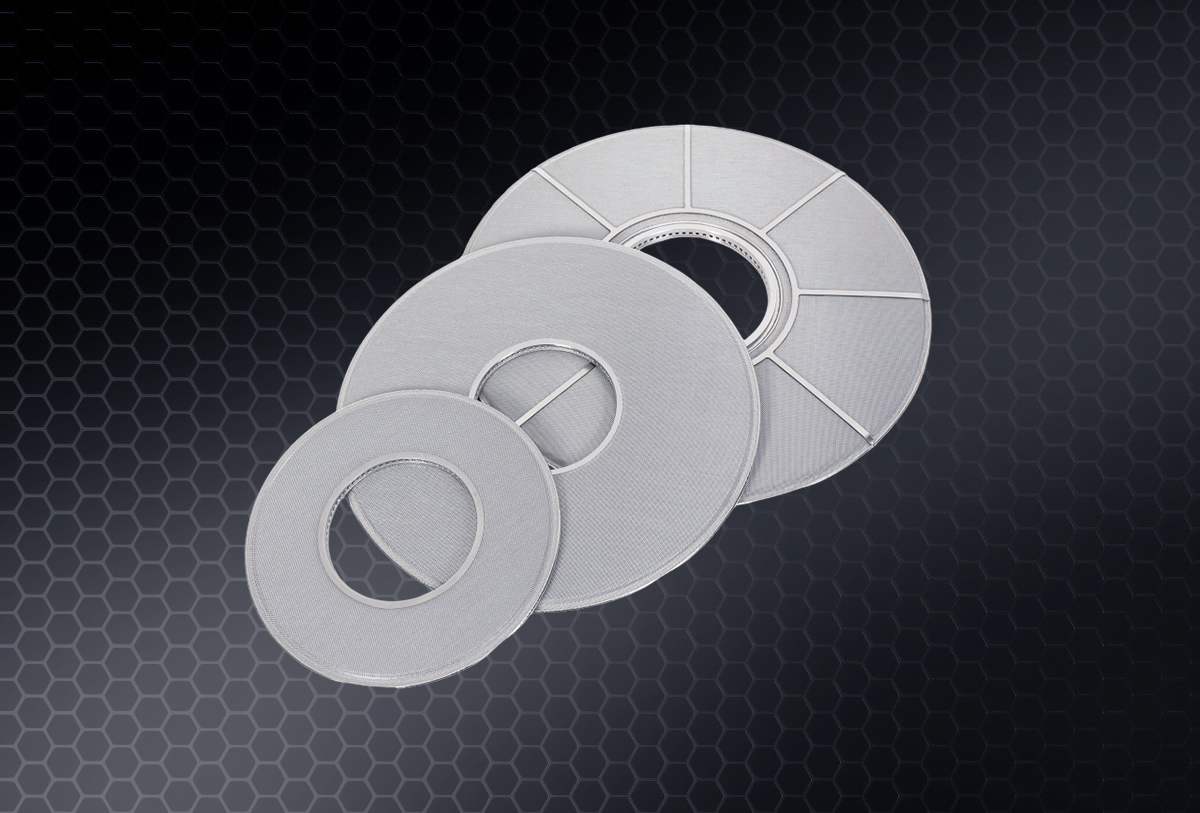
High-capacity rigid leaf disc filters manufactured with sintered wire mesh or metal fiber felt for continuous polymer purification.
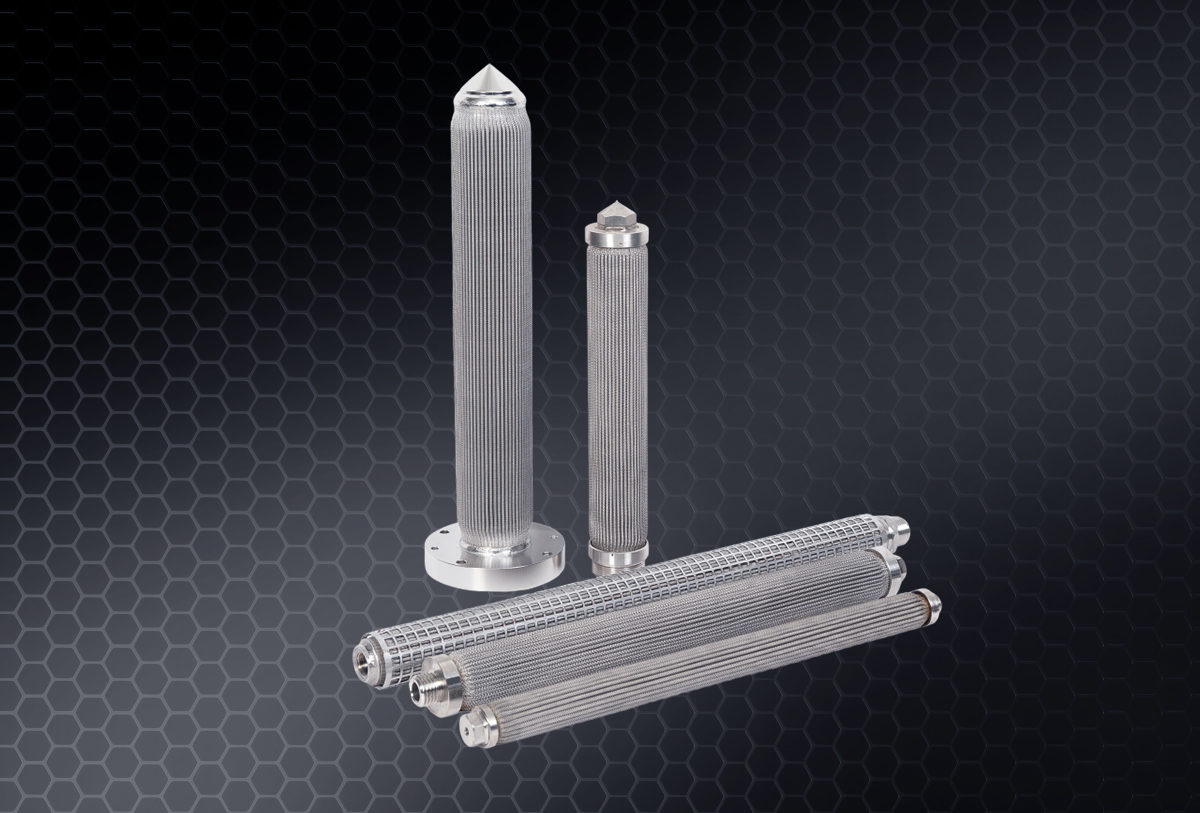
Pleated stainless steel element cartridges providing maximum filtration surface area for heavy gel retention in polymer plants.
Comprehensive granulating and compounding equipment configured for post-consumer waste recovery and masterbatch blending.
Versatile extrusion line equipped with adaptable screw geometries to reprocess engineering thermoplastics and commodity polymers.
Comprehensive answers regarding machine operation, custom filter sizing, cold-weather reliability, and shipping to Kazan.
For post-industrial LDPE/LLDPE packaging films intended for re-blowing into agricultural or secondary packaging film, we recommend a two-stage filtration approach: a coarse pre-filtration stage at 100–150 mesh (approx. 100–150 µm) followed by a fine candle or leaf disc stage at 25–40 µm. If the pellets are destined for injection molding, a 60–80 mesh filter pack is typically sufficient to protect mold hot-runners.
Machinery shipped to cold regions is configured with heavy-duty ceramic barrel heaters, insulated stainless shroud covers, and low-temperature synthetic hydraulic fluids. Hydraulic power units driving our continuous screen changers include thermostatic oil pre-heaters to guarantee smooth piston movement even when ambient plant temperatures drop during maintenance shutdowns.
Yes. Pujiang HG specializes in custom reverse-engineering of polymer melt filters. By providing your existing filter housing drawings or a physical sample element, our engineering team can fabricate drop-in replacements with exact end-cap fittings (NPT, tie-rod, or bayonet mounts) and identical sealing seat tolerances.
Sintered metal fiber felt and multi-layer mesh elements can be regenerated multiple times. The standard industrial cleaning procedure involves thermal pyrolysis (controlled burn-off of residual polymer at 450°C–480°C), followed by an ultrasonic bath in mild acid/alkali solvents to remove inorganic ash, and a final reverse-flow air/water flush.
Standard replacement filter elements and wire mesh packs ship via express air cargo in 7–12 days. Complete recycling extruder lines require 30–45 days for manufacturing and factory testing, followed by direct rail container transit (China-Europe Railway Express) or sea-land multimodal transport directly to Kazan customs terminals.
Submit your raw material scrap specifications, target hourly throughput, and filtration purity goals. Our senior polymer engineers will deliver a complete technical dossier, CAD layout, and formal commercial proposal within 24 hours.