Precision-engineered continuous melt screen changers, SUS 304/316L candle filters, and high-capacity pelletizing lines optimized for maximum throughput.
The global polyethylene terephthalate (PET) recycling landscape is undergoing a structural paradigm shift driven by stringent environmental regulations, aggressive corporate ESG targets, and consumer demand for sustainable packaging and textiles. Historical recycling models focused primarily on downcycling post-industrial waste (PIW) into low-grade strapping or staple fibers. Today, the market demands bottle-to-bottle food-grade rPET pellets, high-tenacity filament yarn from post-consumer waste (PCW), and ultra-thin recycled BOPET packaging films.
Regulatory frameworks such as the European Union's Packaging and Packaging Waste Regulation (PPWR) mandating at least 25% recycled content in PET beverage bottles by 2025 (scaling to 30% by 2030), alongside US State-level Minimum Recycled Content laws (e.g., California AB 793), have created unprecedented demand for high-purity recycled polyester. However, processing post-consumer PET poses severe technical challenges: moisture-induced hydrolytic degradation, thermal degradation, organic contamination, volatile organic compounds (VOCs), residual adhesives, and inorganic particulates.
Industrial buyers, plant managers, and procurement officers evaluating a Polyester Recycling Machine Manufacturer & Supplier must look beyond initial capital expenditure (CAPEX). Total Cost of Ownership (TCO), Operational Efficiency (OEE), and output purity dictate long-term profitability. Our equipment architectures address the core operational pain points identified across global processing facilities:
Direct crystallization-extrusion coupling eliminates energy-intensive pre-drying stages, reducing specific power consumption to under 0.28-0.35 kWh/kg of recycled pelletized polymer.
High-vacuum multi-venting degassing zones (<5 mbar) combined with controlled melt temperature profiles prevent hydrolytic chain scission, preserving IV from input flake (0.70 dL/g) to final granule (0.68-0.74 dL/g via optional SSP integration).
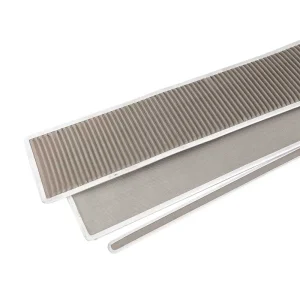
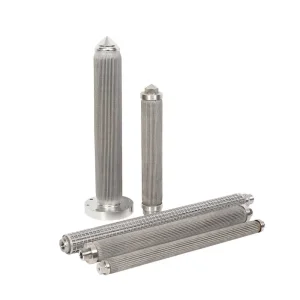
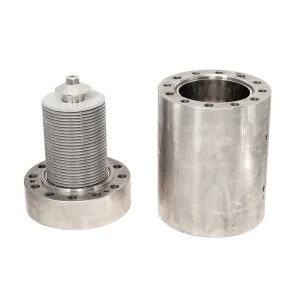
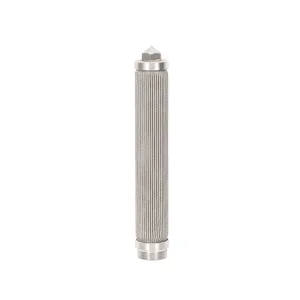
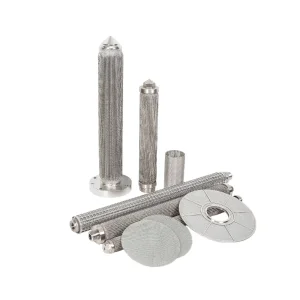
Continuous back-flush hydraulic screen changers and pleated SUS 316L candle filter elements maintain constant pressure without stopping production during filter clean-out cycles.
Choosing the correct polyester recycling machine route depends heavily on feedstocks and target end-use applications. As an authoritative supplier, we offer optimized machinery lines across both technical pathways:
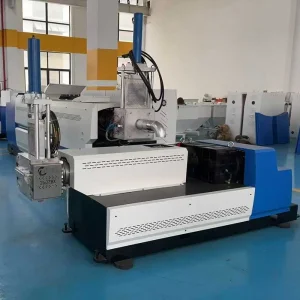
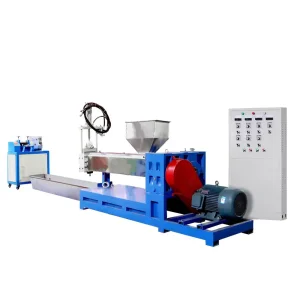
Mechanical recycling remains the most energy-efficient and economically viable solution for bottle flakes, thermal sheet waste, and clean post-industrial fiber scrap. Our integrated line topology consists of four critical sub-systems:
For heavily contaminated, mixed-color, or multi-component post-consumer textile scrap (e.g., poly-cotton blends, elastane-containing fabrics), traditional mechanical recycling reaches performance limits. Chemical recycling breaks PET down into its fundamental monomeric constituents: Bis(2-hydroxyethyl) terephthalate (BHET) or Dimethyl Terephthalate (DMT) via chemical reaction (glycolysis, methanolysis, or hydrolysis).
Our company engineers specialized depolymerization reactors, melt pumps, and high-pressure stainless steel filter assemblies capable of operating at elevated chemical temperatures up to 300°C and pressures exceeding 200 bar.
Below is an engineering overview comparing our standardized polyester recycling lines, designed for multi-tier industrial throughput requirements:
| Parameter / Feature | HG-PET-500 (Compact) | HG-PET-1500 (Standard) | HG-PET-3000 (Industrial) |
|---|---|---|---|
| Nominal Throughput | 300 - 500 kg/h | 1,200 - 1,500 kg/h | 2,500 - 3,500 kg/h |
| Extruder Configuration | Single Screw / Twin-Screw | Co-Rotating Twin Screw (38:1) | Co-Rotating Twin Screw (44:1) |
| Melt Filtration Type | Dual-Piston Screen Changer | Continuous Hydraulic Back-Flush | Multi-Station Candle Filter Assembly |
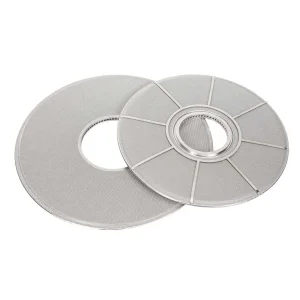
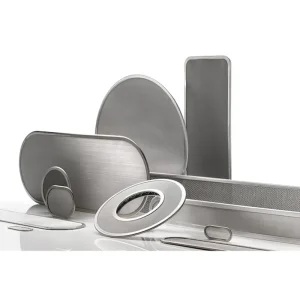
| Filter Media Material | SUS 304 Wire Mesh | SUS 316L Sintered Mesh | SUS 316L Pleated Felt & Leaf Disc |
| Filtration Rating (μm) | 40 μm - 150 μm | 20 μm - 80 μm | 5 μm - 40 μm |
| Vacuum Degassing System | Single Stage (<20 mbar) | Dual Stage (<5 mbar) | Triple Stage High-Vacuum (<1 mbar) |
| Target Applications | Strapping, Thermoforming Sheet | Filament Yarn, POY/FDY Fiber | Bottle-to-Bottle Grade rPET |
| Specific Energy Use | 0.34 kWh/kg | 0.29 kWh/kg | 0.26 kWh/kg |
As polymer recycling progresses toward autonomous industrial operations, our R&D team continuously advances state-of-the-art machinery features to increase yield and lower process variability.
Integration of dynamic pressure differential sensors with machine-learning algorithms that automatically trigger back-flushing cycles based on real-time melt viscosity, extending screen mesh operating lifespans by up to 35%.
Development of specialized twin-screw solvent extraction modules designed to strip elastane (spandex) bindings and dye compounds from post-consumer garment waste prior to granulating.
Direct coupling of recycling extrusion systems to chemical fiber spinning manifolds, bypassing the pelletization and re-melting steps entirely to save up to 45% total thermal energy.
Deploying heavy industrial machinery into international manufacturing plants requires strict compliance with local safety directives, electrical standards, and food-contact regulations. As a premier global supplier, our machinery and filtration components meet the following international standards:
Fully compliant with Machinery Directive 2006/42/EC, Low Voltage Directive 2014/35/EU, and Pressure Equipment Directive (PED 2014/68/EU) for safe operation across European sites.
Our decontamination vacuum degassing units and fine melt filters are designed to support clients in achieving FDA NOL (No Objection Letter) and EFSA scientific opinions for food packaging.
Equipped with PLC remote tele-service portals for real-time troubleshooting, paired with localized technical engineers and rapid-ship spare parts hubs in Europe, North America, and Southeast Asia.
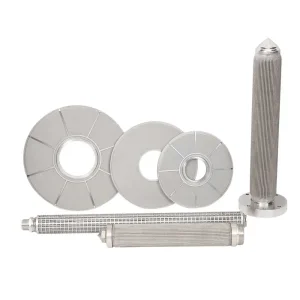
Explore our full line of candle filter elements, leaf disc filters, and high-performance granulators built for industrial polymer processing plants.
In-depth answers to critical technical queries regarding polyester recycling machines, melt filtration configurations, and operational parameters.